How to choose a forged or cast valve body: API 600 vs API 602 size limits, casting quality factor, NDT coverage, weld repair policy and cost crossovers.
How pressure seal bonnet valves work, why bolted bonnets stop at Class 900, seal ring materials, disassembly rules and the low-pressure leak signature.
A lift check valve closes in millimetres, not degrees. Disc lift, cracking pressure, chatter, and why steam and compressor duty punish a badly sized one.
Category A and Category B butterfly valves differ at the seat, not the body. What each one seals with, where each leaks, and what to put on the datasheet.
The backseat, the gland and the blowout-proof stem decide whether a gate valve leaks at the stem, and whether it can be repacked with the line still live.
How to size pneumatic valve actuators: valve torque, safety factors, spring-return vs double-acting, air pressure, stroking time and fail-safe position.
What the sleeve actually seals againstA sleeve type plug valve has three parts in the sealing path: a metal plug with a through port, a moulded sleeve of PTFE or PFA that wraps the plug and carries its own matching port, and a metal body liner behind the sleeve. Nothing is injected and nothing is gr
Triple offset butterfly valves seal metal to metal with zero rubbing travel. Compare offsets, torque curves and seat materials for high temperature duty.
Learn about 5A gate valve material properties, pressure-retaining design, corrosion resistance and industrial applications. Explore J-VALVES solutions for demanding valve service requirements.
Discover how centerline wafer butterfly valves work, including disc design, seat sealing, flange installation and industrial applications. Explore J-VALVES valve solutions for water and general process systems.
Explore DBB reduced-bore ball valve design, sealing logic, oil and gas applications, and checks for materials, end connections, ratings, and test records.
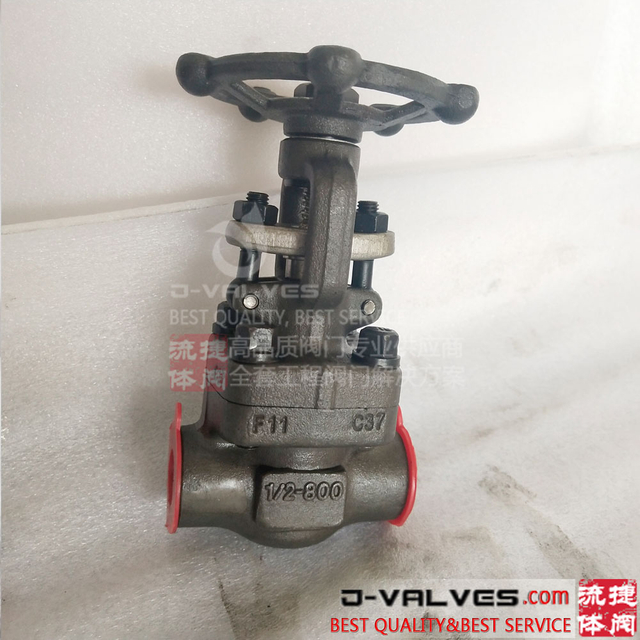
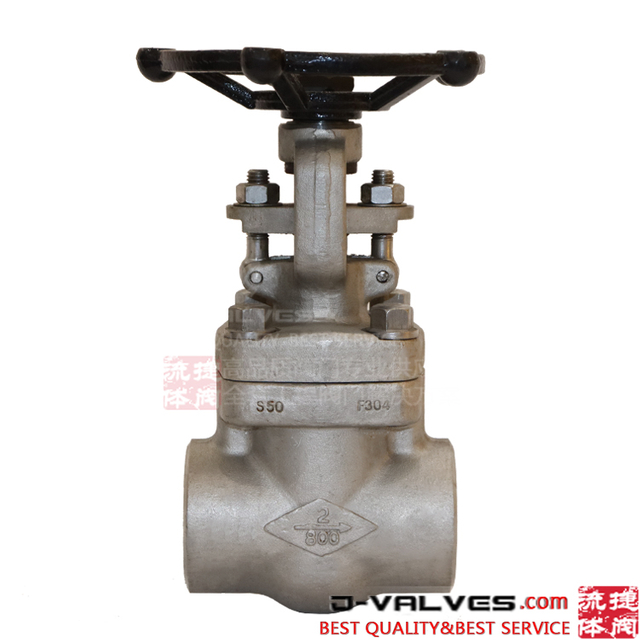
Our forged steel valves are built to withstand high-pressure and high-temperature applications. Their rugged construction and superior performance make them ideal for use in demanding environments such as power generation, oil and gas, and chemical processing.
Manufacturer and supplier of industrial valves, including Floating Ball Valves, Trunnion Ball Valves, Flanged Gate Valves, Welded Gate Valves, High Pressure Gate Valves, Globe Valves, Swing Check Valves, Double Disc Wafer Check Valves, Y Strainers , etc. For more information, please send us your email .