|


| Quantity: | |
|---|---|
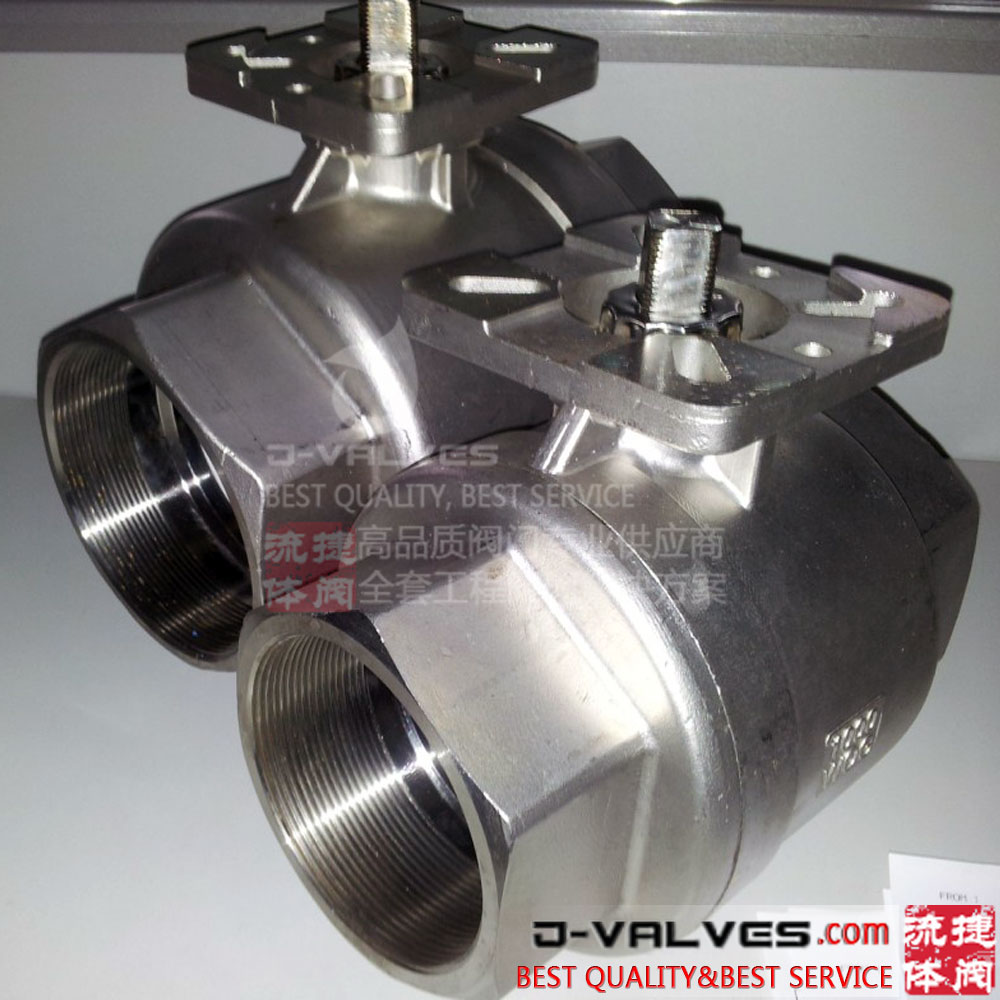
Stainless Steel 2PC Female Threaded Ball Valve
Stainless Steel 2PC Female Threaded Ball Valve Technical Parameters
Size Range: 1/4“ ~ 4”
Material: Stainless steel 304 or 316, which has good corrosion resistance and mechanical properties. There are multiple choices for the seat material, such as PTFE, RPTFE, PPL, etc., to adapt to different working temperatures and medium characteristics.
Working Pressure: The maximum working pressure can reach PN64.
Working Temperature: -20℃ ~ 232℃
Connection Method: The end adopts female threaded connection, which can be conveniently connected with male threaded pipes or fittings. Meanwhile, other connection methods, such as flange connection, can also be provided according to users' needs.
Stainless Steel 2PC Female Threaded Ball ValveMain Features
Compact Design: It has a compact structure and a small size, which is convenient for installation in pipeline systems with limited space, saving installation space.
Good Sealing Performance: The floating ball structure can closely fit the valve seat, enabling good sealing performance even under low pressure and ensuring that the medium will not leak.
Strong Corrosion Resistance: Made of stainless steel, it has excellent corrosion resistance and can resist the erosion of various chemical media, prolonging the service life of the valve.
Easy to Operate: Usually equipped with a handle or handwheel, the operation is simple and intuitive, and it is easy to achieve quick opening and closing.
Convenient Maintenance: The two-piece design makes the internal components easy to disassemble and replace, making the maintenance work more convenient and reducing the maintenance cost.
Wide Application Range: It can be applicable to a variety of different working media and working conditions, including water, oil, gas and some corrosive liquids. The working temperature range is generally between -20℃ and 232℃, and the maximum working pressure can reach 6.4MPa.
Anti-blowout Valve Stem Design: Equipped with an anti-blowout valve stem structure, it enhances the operational safety of the valve under high-pressure working conditions and effectively prevents the valve stem from being blown out due to excessive pressure.
Multiple Connection Methods: The end adopts female threaded connection, which can be conveniently connected with male threaded pipes or fittings. Meanwhile, other connection methods, such as flange connection, can also be provided according to users' needs.
Stainless Steel 2PC Female Threaded Ball Valve Application Fields
This ball valve is applicable to a variety of industries and fields, including but not limited to:
Chemical Industry: Used for transporting and controlling various chemical media, such as acid, alkali and salt solutions.
Petroleum and Natural Gas Industry: Used for fluid control in the processes of oil extraction, transportation and natural gas treatment.
Food and Beverage Industry: In the processes of food processing and beverage production, it is used to control the flow of water, steam, beverages, etc.
Pharmaceutical Industry: Used for material transportation and process control in the pharmaceutical process, meeting hygiene and cleanliness requirements.
Water Treatment Industry: In water treatment systems, it is used to control the opening and closing of water flow, as well as to adjust water pressure and flow rate.
Heating, Ventilation and Air Conditioning Industry: Used for the control of media such as water and steam in heating, ventilation and air conditioning systems to achieve the regulation of temperature and pressure.