|


| Size: | |
|---|---|
| Quantity: | |
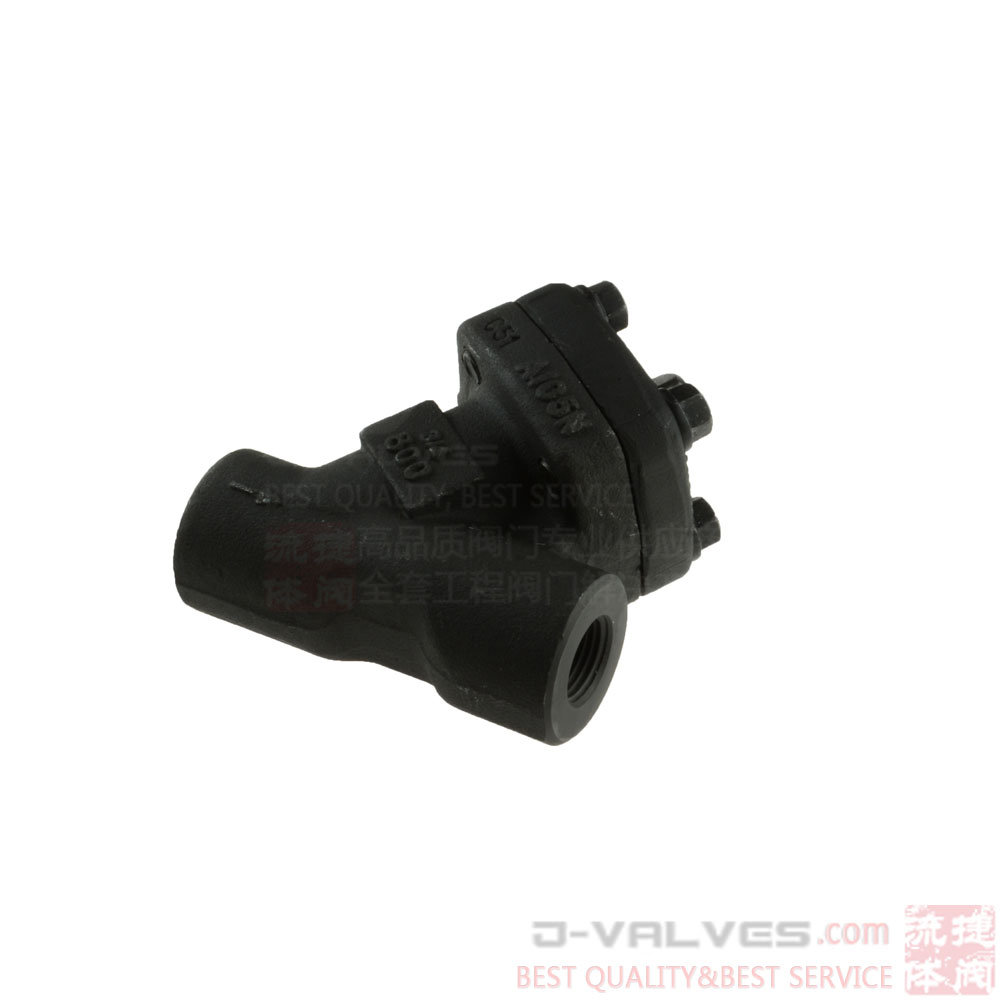
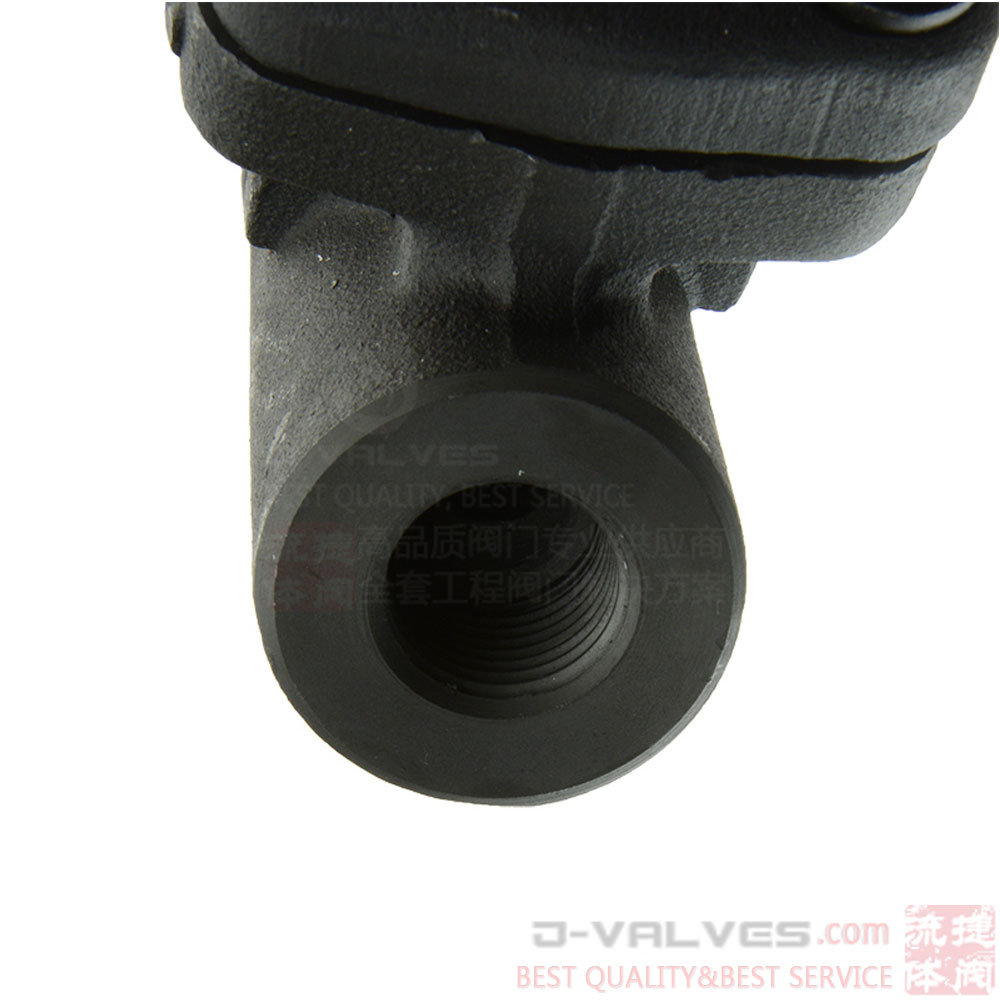
Forged Steel Check Valve
J-VALVES
800LB Forged A105 Thread socket welded Y Type Check Valve
Technical Specifications:
Nominal Diameter: 1/2" ~ 4"
Pressure Rating: 150LB ~ 4500LB
Operating Temperature: -29°C ~ 425°C (-20°F ~ 797°F)
Media Compatibility: Natural gas, oil, water, steam, corrosive liquids, etc.
Body Material: ASTM A105 Forged Steel
Sealing Materials: PTFE, graphite, stainless steel, etc.
Connection Types: NPT, SW
Design Standards: API 602, ASME B16.34
Testing Standard: API 598
Flange Standard: ASME B16.5
Operation Mode: Automatic (no external operation required)
Structural Features:
Y-shaped Design: Adopting a Y-shaped structure to reduce fluid resistance and improve the efficiency of fluid passing through.
Forged Steel Material: The valve body is made of high-quality forged steel with high strength and good toughness, capable of withstanding high-pressure impacts.
Threaded/Socket Welded Connection: Providing two connection methods, threaded connection and socket welded connection, for convenient and quick installation.
Fire-Safe Design: Complies with API 607 fire-safe standards, maintaining sealing performance even in extreme situations such as fires.
Anti-Static Design: Equipped with an anti-static design to prevent static electricity accumulation and ensure operational safety.
Low Opening Pressure: Designed with a low opening pressure to ensure that the valve can work properly even under low pressure.
High Flow Capacity: Optimized internal structural design ensures high flow capacity and reduces system pressure loss.
Application Scenarios:
Oil & Gas Industry: Used in natural gas transmission pipelines, oil extraction and transportation systems, especially in corrosive environments containing hydrogen sulfide (H₂S).
Chemical Industry: Suitable for the transportation pipelines of chemical media that require corrosion resistance.
Offshore Engineering: Due to its excellent corrosion resistance, it is suitable for pipeline systems in the marine environment.
Water Treatment: Used for media control in water treatment systems.
Product Advantages:
Superior Corrosion Resistance: Made of ASTM A105 forged steel material, suitable for use in corrosive media.
High Strength: Capable of withstanding high pressure and applicable to high-pressure working conditions.
Reliable Sealing: High-quality sealing materials are adopted to ensure the sealing performance under high-pressure conditions.
International Standards Compliance: Strictly designed and manufactured in accordance with international standards such as API 602 and ASME B16.34.
Ease of Operation: Automatic operation without external control ensures the high efficiency of the system operation.
Competitive Advantage:
On Samples Buyer bear the air fee, but this fee will be reduced from order directly
On After Sales Free replacement if there is any quality problem
On Delivery Never delay delivery time
On Materials Ensure material pure
Ensure material pure