| Availability: | |
|---|---|
| Quantity: | |
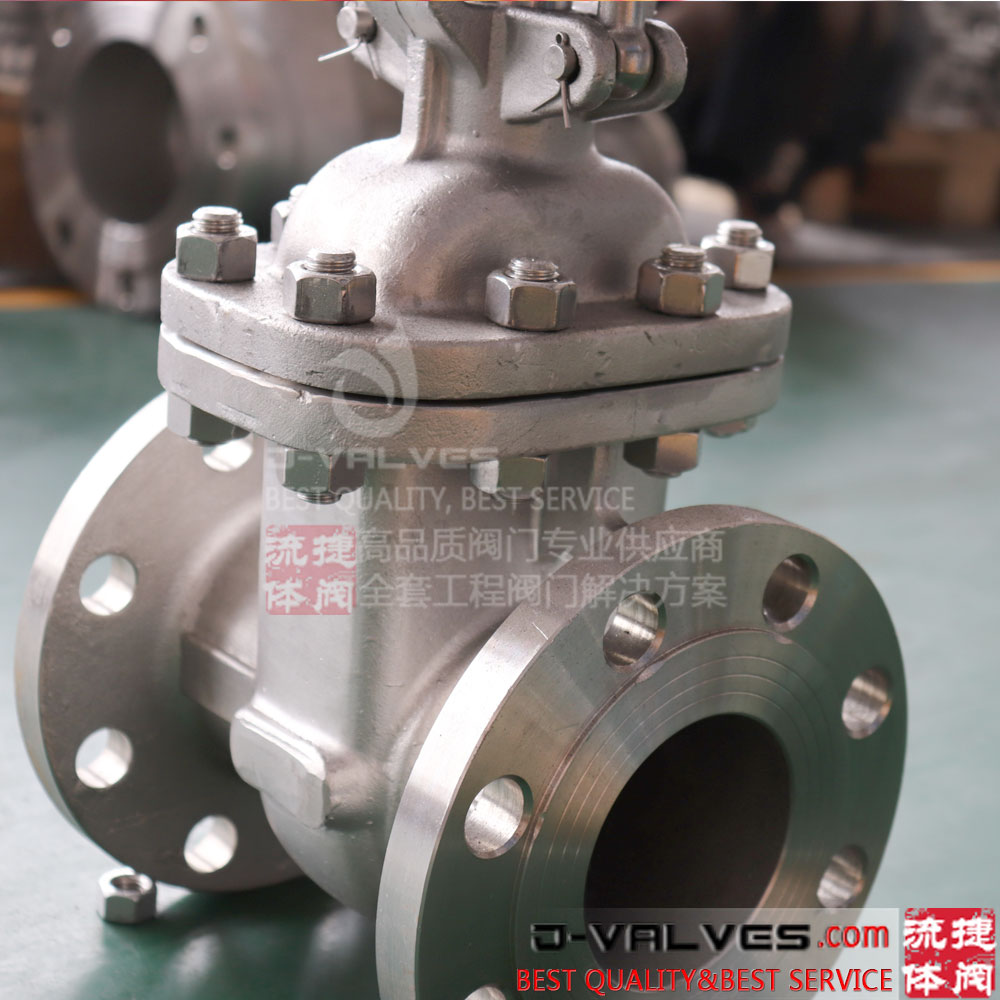
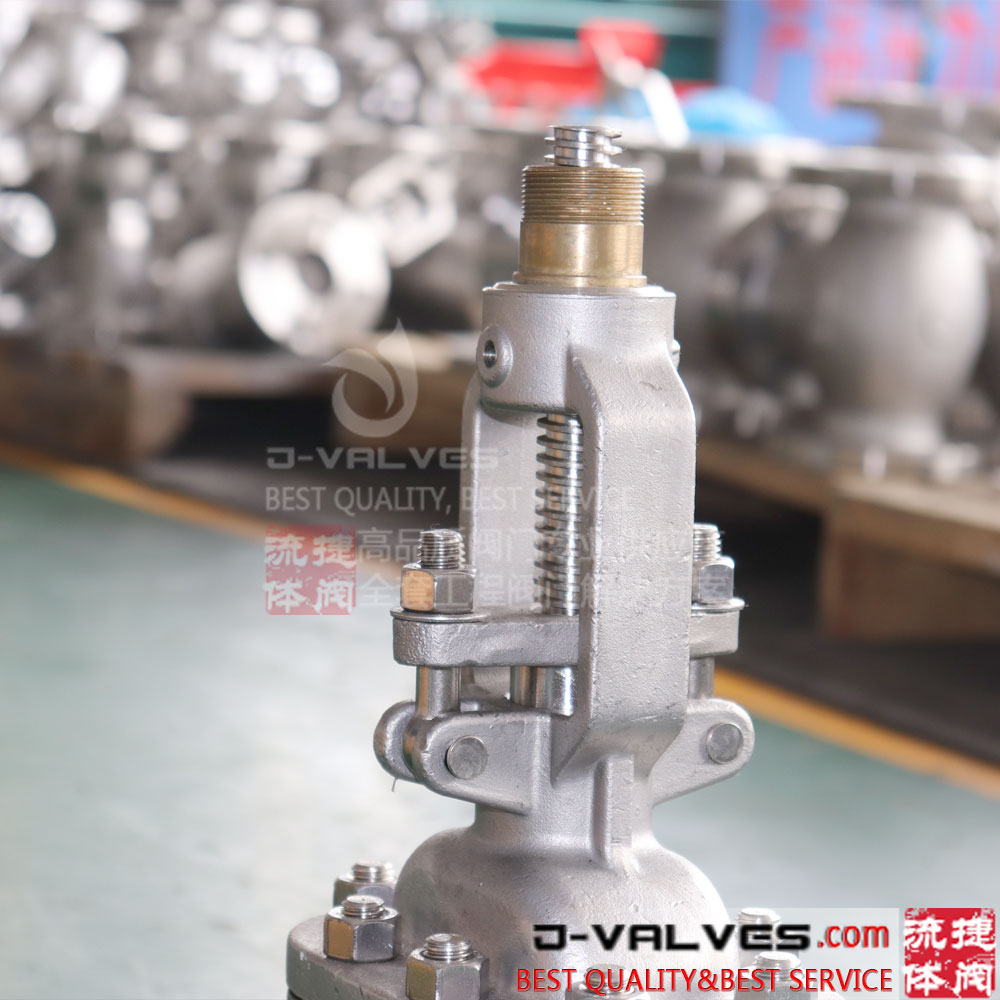
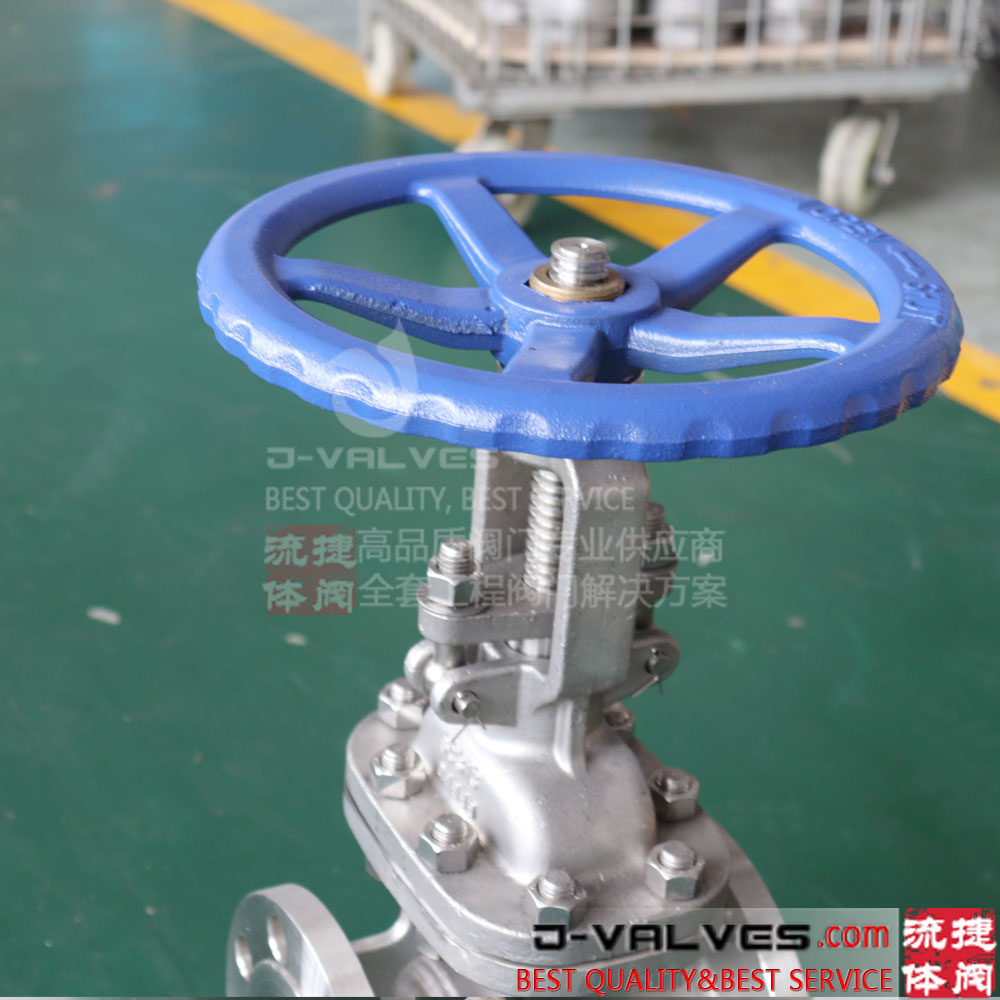
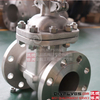
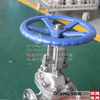
JIS 10K Stainless Steel Flanged Gate Valve
Product Features
Material: The valve body is made of stainless steel materials (such as SS304, SS316), which possess excellent corrosion resistance, high-temperature and low-temperature resistance, and are suitable for a variety of harsh working conditions.
Pressure Rating: The "10K" indicates that the valve can withstand a pressure of 10 kilograms-force per square centimeter (approximately 142 psi), making it suitable for medium and high-pressure fluid systems.
Sealing Performance: It adopts metal-to-metal sealing or a stainless steel sealing seat to ensure that the valve can achieve a tight seal when closed and prevent leakage.
Operation Modes: It supports multiple operation modes such as manual, electric, and pneumatic to meet the needs of different application scenarios.
Connection Method: Flange connection, conforming to the JIS standard flange dimensions, which is easy to install and maintain.
Structural Design
Valve Body: It is sturdy and durable, capable of withstanding high pressure and corrosive media.
Valve Disc: It can adopt a wedge-shaped single-disc or double-disc structure, which can be selected according to application requirements.
Valve Stem: Made of stainless steel and equipped with high-quality packing materials (such as PTFE, graphite), ensuring flexible operation and reliable sealing.
Valve Cover: Bolted connection is adopted for easy disassembly and maintenance of internal components.
Specification Parameters
Size: 1/2''~48'' ( DN15~DN1200)
Class: 150LB~1500LB
Working Temp: -29ºC~425ºC
Material: SS304/316/304L/316L/WCB/WCC/LCB/LCC/WC6/WC9/C5/C12, etc.
Application Fields
This valve is applicable to a variety of industries, including but not limited to:
Petroleum and Natural Gas Industry: Used in pipeline systems, refineries, and petrochemical plants to ensure reliable fluid shut-off.
Water Treatment Industry: Provides reliable closing functions in water distribution systems and sewage treatment plants.
Marine Industry: Used in ballast water and bilge water systems, conforming to marine standards.
Power Industry: Used for steam and water control in thermal power stations and hydropower stations.
Advantages
High Reliability: Performs excellently in high-pressure and corrosive environments.
Low Flow Resistance: When fully open, it has little resistance to fluid flow, improving system efficiency.
Versatility: Applicable to a variety of fluid media, including liquids, gases, and slurries.
Competitive Advantage:
On Samples Buyer bear the air fee, but this fee will be reduced from order directly
On After Sales Free replacement if there is any quality problem
On Delivery Never delay delivery time
On Materials Ensure material pure
Ensure material pure
Between the handle and the ball there are four fits. Which one shears, which one cracks, and how a few degrees of lost motion hides a valve that never seated.
Reverse flow through a check valve has six mechanical causes. How hinge wear, debris and a moved seat ring look different, and which test finds each.
Trapped-liquid overpressure in DBB/DIB ball valves: thermal expansion arithmetic, SPE vs DPE seats, external cavity relief valve setting and the fire case.
API 598 test durations by size, why the timer starts after the pressure settles, and what a 1.5 times shell test cannot tell you about service.
Pneumatic actuator failure modes and field diagnostics: air supply quality, diaphragm rupture, spring relaxation, torque margins and partial stroke testing.
How a butterfly valve disc is fixed to its stem: taper pins, pinless hubs and through shafts, the backlash each allows, and the failures they cause.
Steam PRV station design: critical pressure ratio, Kv sizing, 1/3-2/3 parallel turndown, series stations and safety valve sizing rules.
Why LNG ball valve seats that pass warm tests leak cold at -162°C: contraction arithmetic, cold preload, PCTFE vs PTFE, ISO 28921-2 and MSS SP-134 limits.
What API 607 proves: burn sequence, 7th-edition leak limits per NPS, cavity pressure rules, API 6FA vs ISO 10497, and the clauses buyers must check.
MSS SP-80 bronze valves: the class number is a saturated steam rating, not a pressure rating. Alloys, threads, lead-free rules and where bronze stops.
Stellite or tungsten carbide for erosive service: erosion angles, hardness ratios, HVOF vs weld overlay, the 500 C limit, and the clauses that win acceptance.
Valve coating is a defect-budget decision, not a product choice: ENP vs FBE vs sprayed aluminium, holiday arithmetic, CUI and the specs that win acceptance.
Temporary and start-up strainers for commissioning: placement, plate versus mesh, blowdown discipline and the removal record that proves it was pulled.
What MSS SP-25 marking really commits to: body symbols, three-symbol trim marking, melt identification and the certificate that closes the loop.
Why ball valves pass high-pressure seat tests and fail at 0.6 MPa: seat preload arithmetic, SPE and DPE seats, DBB vs DIB-1/DIB-2, and test-proofing specs.
RF, RTJ and butt-weld valve ends compared: how each joint seals, which duty suits it, and the four assembly errors that cause most joint leaks.
Why PTFE and PFA liners fail when the chemistry is right: permeation arithmetic, vacuum collapse, cold flow and the 11:1 expansion mismatch at the flange.
C95800 and C95500 are cast to ASTM B148; C63200 is wrought to ASTM B150. Aluminum and manganese levels decide strength, weldability and valve use.
Jacket heat load arithmetic, sulfur's 159 C viscosity trap, the separate jacket pressure test and the weld failures buyers discover in year five.
API 603 and API 600 both cover bolted bonnet gate valves, but wall thickness basis, class ceiling and casting rules decide which one you can actually buy.