| Availability: | |
|---|---|
| Quantity: | |
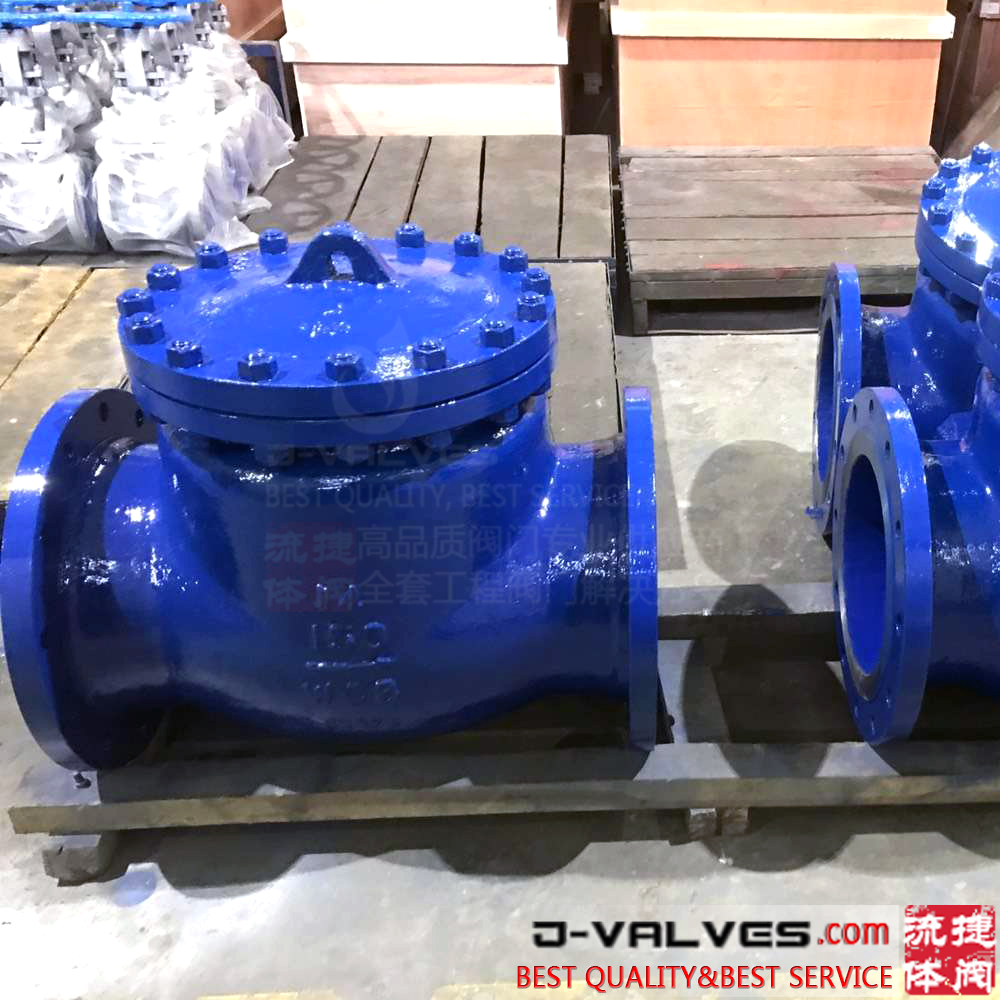
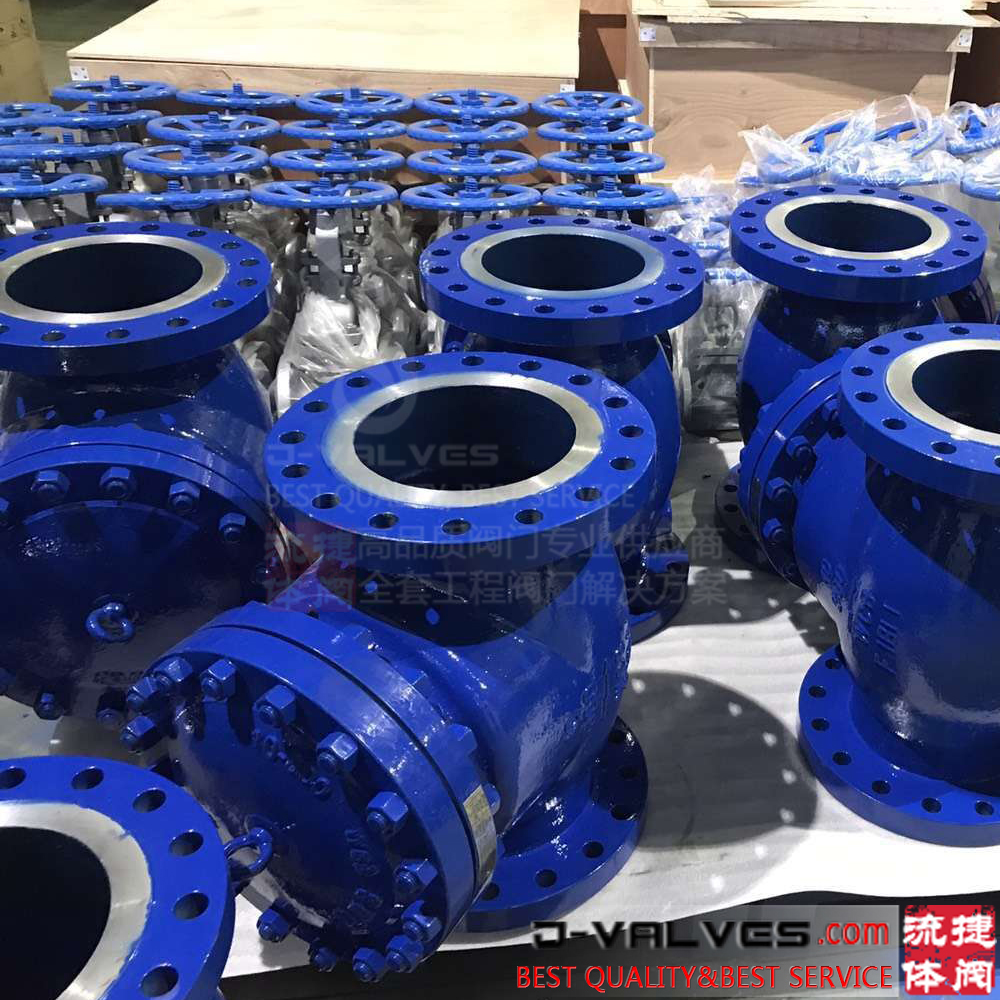
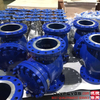
ANSI Cast Steel Flanged Check Valve
Product Features
Structural Design: It adopts a swing type valve disc, with a smooth flow passage. It can be installed in horizontal or vertical pipelines, offering high flexibility.
Sealing Performance: The sealing surfaces of the valve disc and the valve seat adopt metal sealing, which is reliable and has a long service life.
Connection Method: The flange connection complies with the ANSI standard, ensuring a reliable connection with the pipeline system and convenient installation.
Material Selection: The valve body is usually made of cast steel materials, such as A216 WCB, etc., which has high strength, good corrosion resistance and pressure resistance, and is suitable for a variety of working environments.
Simple Operation: It doesn't require external force for driving. It automatically opens when the medium is flowing and automatically closes when the medium stops flowing. Maintenance is simple.
Fire and Anti-static: It complies with relevant standards and is suitable for special environments such as those with flammable and explosive substances.
Technical Parameters
Nominal Diameter: 1/2"~48" (DN15~DN1200)
Nominal Pressure: 150LB~2500LB (PN20~PN420)
Applicable Media: It is suitable for various media such as water, oil, steam, and natural gas.
Working Temperature: -20°C~425°C
Standards and Specifications: Its design and manufacture comply with standards such as API 600 and ASME B16.34, and its testing and inspection follow the API 598 standard.
Application Fields
The ANSI cast steel flanged check valve is applicable to a variety of industrial pipeline systems, including but not limited to:
Petroleum and Natural Gas Industry: It is used in the transmission pipelines of crude oil, natural gas and other media to prevent the backflow of the media.
Chemical Industry: In the transmission pipelines of chemical raw materials, intermediates and products, it ensures the one-way flow of the media.
Electric Power Industry: It is used in the cooling water systems and steam systems of power plants to ensure the safe operation of the systems.
Other Industrial Fields: Such as in the chemical fertilizer, pharmaceutical, and food industries, it prevents the backflow of the media and ensures the smoothness and safety of the production process.
Competitive Advantage:
On Samples Buyer bear the air fee, but this fee will be reduced from order directly
On After Sales Free replacement if there is any quality problem
On Delivery Never delay delivery time
On Materials Ensure material pure
Ensure material pure
Learn how to match a 5A material 300LB gate valve with GB and ASME pipelines. This guide explains pressure class, flange standards, dimensions, media compatibility, and selection tips to reduce rework and improve project efficiency.
Large-diameter gate valves are critical components in various industrial applications, offering robust solutions for controlling fluid flow in high-pressure systems. These valves are primarily used in scenarios where efficient isolation or regulation of large quantities of liquids or gases is necess
In various industrial systems, contaminants present in fluids or gases can lead to significant operational disruptions, equipment damage, and system failure. Filters play a crucial role in preventing these contaminants from entering and compromising system integrity. From pipelines to machinery, fil
Gate valves, with their simple yet highly effective design, are crucial components in fluid control systems across various industries. Known for their ability to completely shut off the flow of fluids, these valves are widely used in applications where a straight-line, unobstructed flow is necessary
Nickel-aluminum bronze check valves, often referred to as dual-plate wafer check valves, are an essential component in many industrial applications. Known for their durability, corrosion resistance, and superior performance in harsh environments, these valves are frequently used in systems involving
How can engineering procurement reduce check valve corrosion risks? Learn how WCB check valves perform in corrosion resistance, where they fit best, and how they help projects lower maintenance costs and improve efficiency.
Why is leakage such a serious issue in oil and gas transport systems? Learn how bronze check valves help improve sealing reliability, corrosion resistance, and overall pipeline safety in demanding oil and gas applications.
In many industrial applications, controlling the flow of liquids and gases under high pressure is a crucial task. For such demanding environments, large-diameter gate valves are a key component in ensuring the safe and efficient operation of fluid control systems. These valves are particularly vital
In heavy industrial fluid systems, the performance and longevity of valves are critical to ensuring smooth operation and minimizing maintenance downtime. Among the various types of valves used in these systems, Nickel-Aluminum Bronze (NAB) butterfly valves stand out due to their exceptional strength
In industrial processes, closed-loop systems are widely used to ensure continuous operation, reduce waste, and improve energy efficiency. These systems rely on a loop of fluid or gas, circulating through components and returning to the system for reuse. To maintain optimal performance and prevent co
In hydraulic systems, precise control of pressure is crucial for maintaining system stability, efficiency, and safety. Among the many types of valves used in these systems, globe valves play an essential role in managing pressure, regulating flow, and ensuring optimal performance. What is a Globe Va
Why do standard butterfly valves often leak in demanding service? Learn how triple offset flanged butterfly valves improve sealing performance, reduce wear, and support high-temperature, high-pressure industrial applications.
Are corrosive fluids shortening valve life? Discover why carbon steel valves fail early and how stainless steel high-pressure ball valves deliver stronger corrosion resistance, better sealing, and longer service life in chemical, offshore, and high-pressure applications.
In the realm of industrial fluid control, selecting the right valve is essential to ensure optimal system performance, minimize downtime, and increase operational efficiency. Two commonly used valve types are ball valves and plug valves. Both types serve similar functions in regulating the flow of l
In many industrial applications, particularly those exposed to harsh environments or corrosive fluids, the selection of appropriate valve materials is crucial for maintaining system integrity and performance. One such material that stands out for its excellent corrosion resistance and durability is
In industrial systems, ensuring the smooth flow of fluids while protecting equipment from damage caused by contaminants is crucial. This is where filters come into play. Among the different types of filters used, the Y-strainer filter is a popular choice for applications requiring reliable debris re
In industrial systems that manage the flow of liquids and gases, check valves are crucial for preventing backflow and ensuring the safety and efficiency of the entire system. One specific type of check valve that plays a critical role in many applications is the lift check valve. These valves are de
A 2PC trunnion mounted ball valve is widely used in oil, gas, chemical, and high-pressure pipeline systems. This article explains the applications, advantages, structural benefits, and key selection points to help you choose the right valve for demanding service.
When it comes to selecting the right ball valve for a Double Block and Bleed (DBB) system, choosing between full-bore and reduced-bore designs is critical. The decision can have significant implications on flow efficiency, pressure drop, maintenance, and system performance. What is a DBB Ball Valve?
Trunnion mounted ball valves with GBT 21385 certification are designed for urban gas pipeline networks, effectively solving large-bore opening & closing challenges such as high torque, seal leakage and unstable operation.