|


| Quantity: | |
|---|---|
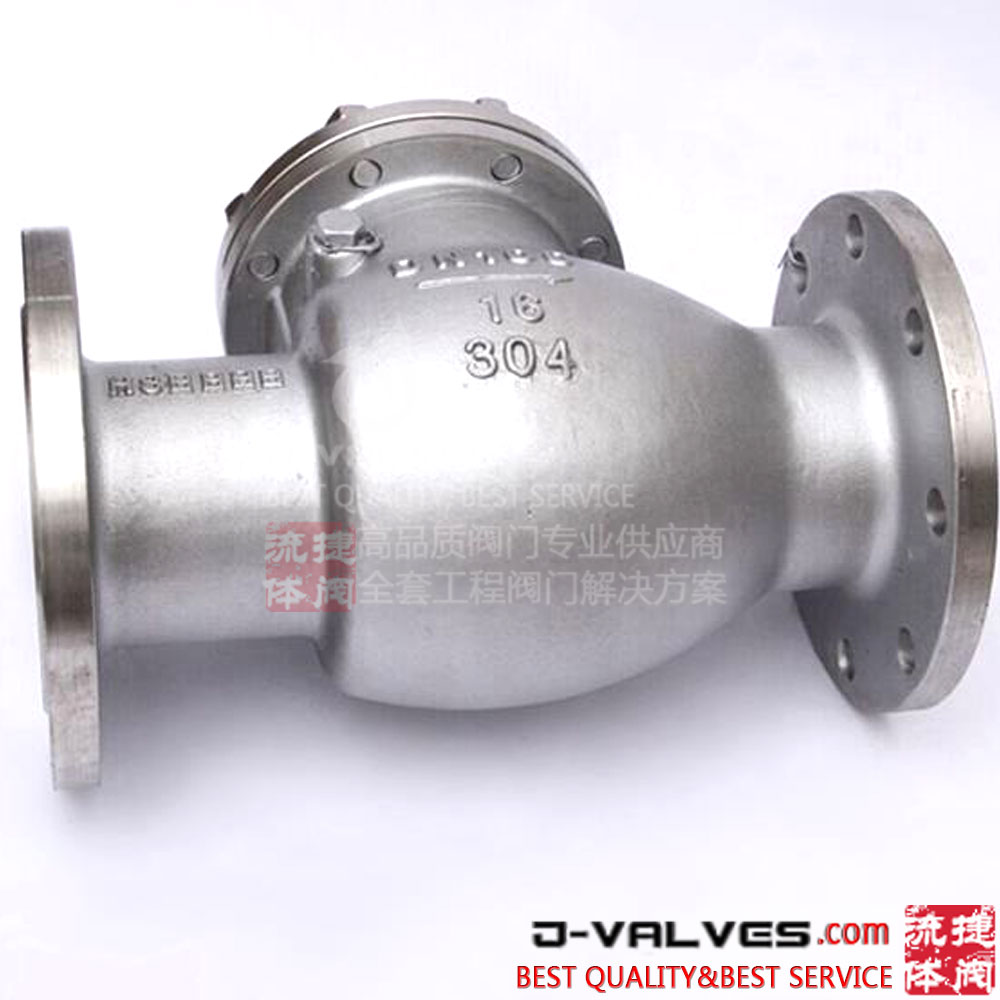
DIN Stainless Steel 304/316 Flange Swing Check Valve
Design Features
Material: The valve body and main components are made of stainless steel 304 or 316, which have outstanding corrosion resistance and mechanical properties and are suitable for various media environments.
Connection Method: Flange connection, which complies with the DIN standard, ensuring the reliability and sealing of installation.
Sealing Performance: Adopting advanced sealing technology, the sealing surfaces of the valve seat and the valve disc are precisely machined to ensure zero leakage.
Structural Design: The valve disc rotates around the pin shaft outside the valve seat, with little impact force when closing and a long service life.
Applicable Range: It is applicable to media such as water, steam, oil products, and various corrosive liquids.
Technical Parameters
Nominal Diameter: 1/2"~48" (DN15~DN1200)
Nominal Pressure: 150LB~2500LB (PN20~PN420)
Applicable Media: Water, steam, oil products, corrosive liquids, etc.
Working Temperature: -20°C ~ 200°C
Design Standards: Comply with international standards such as DIN, API, and BS.
Test Pressure: The shell test pressure is 1.5 times the rated pressure, and the sealing test pressure is 1.1 times the rated pressure.
Advantages
High Reliability: The valve body and components are manufactured with high-quality materials and have undergone strict quality inspections and pressure tests to ensure the long-term stable operation of the product under harsh working conditions.
Convenient Maintenance: With a simple structure, it is easy to disassemble and maintain, reducing maintenance costs and downtime.
Environmental Protection and Energy Saving: The zero-leakage design reduces the risk of media leakage, cuts down on energy waste, and meets environmental protection requirements.
Application Fields
This valve is widely used in industries such as chemical engineering, petroleum, natural gas, pharmaceuticals, food processing, and papermaking. It is especially suitable for key pipeline systems that need to prevent the backflow of media, such as pump outlets, compressor outlets, and steam pipelines.
Packaging and Transportation
Packaging: It is packed in sturdy wooden boxes to ensure that it will not be damaged during transportation.
Transportation: It can be transported by various means such as sea transportation and land transportation, with flexible delivery periods.
Tips:
We also manufacture other type valves, as butterfly valve, check valve, globe valve, Y strainer, sanitary butterfly valve, sanitary ball and so on.
Any item meets your interest, anything confused you, pls keep me posted, let's talk more.
Competitive Advantage:
On Samples Buyer bear the air fee, but this fee will be reduced from order directly
On After Sales Free replacement if there is any quality problem
On Delivery Never delay delivery time
On Materials Ensure material pure
Ensure material pure