|


| Quantity: | |
|---|---|
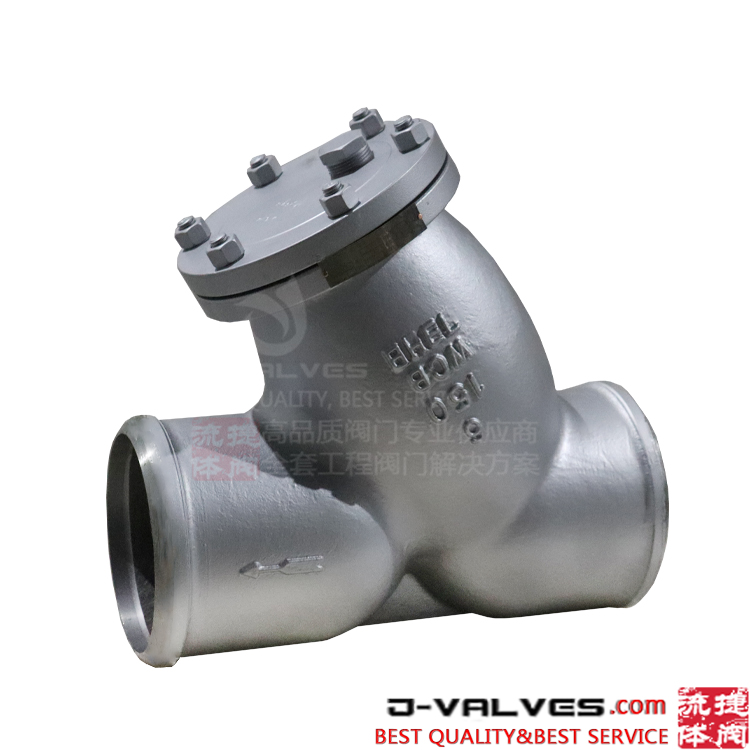
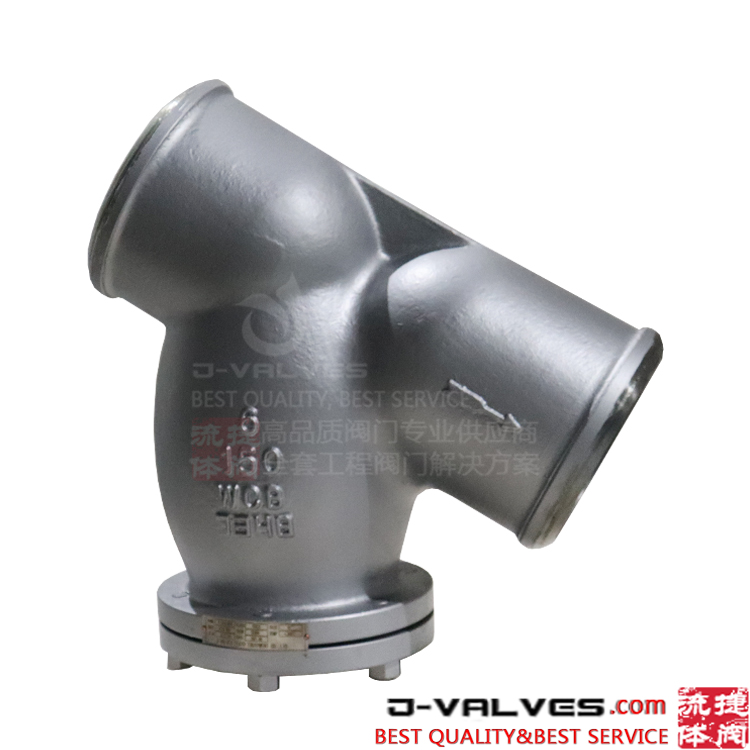
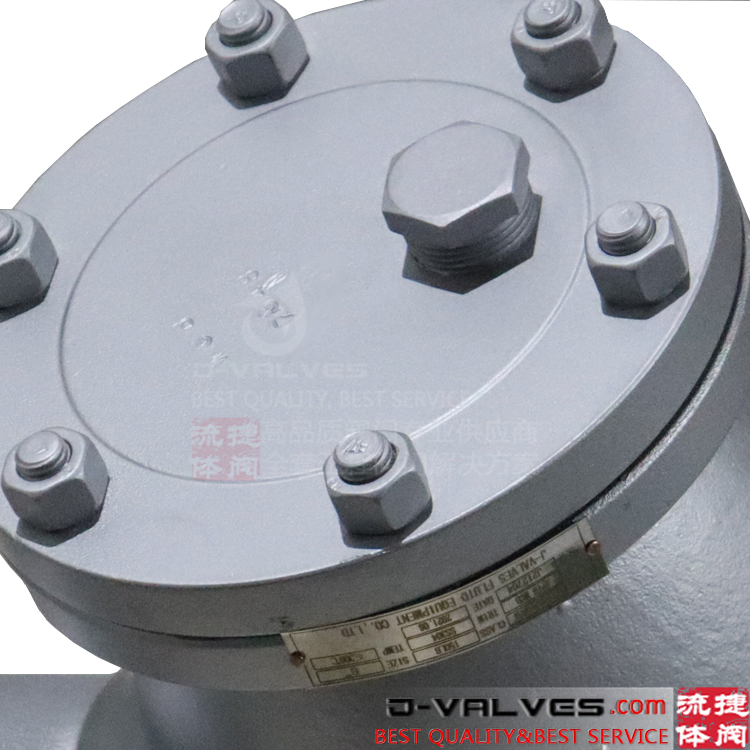
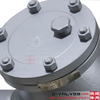
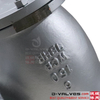
Y Type Stranier
J-VALVES
Structural Features
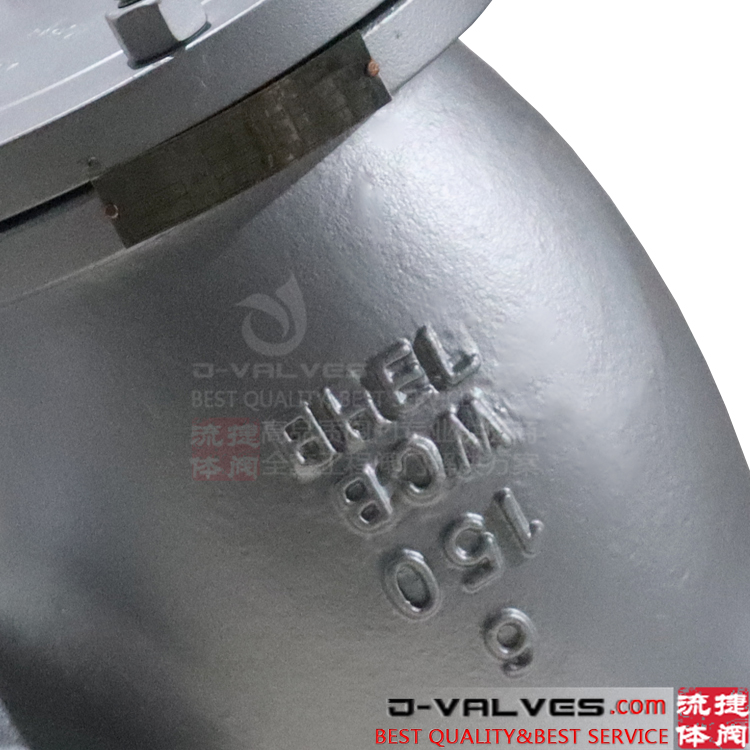
Carbon Steel Material: The strainer body is made of ASTM A216 WCB carbon steel, which has high strength and good corrosion resistance, suitable for various media and working conditions.
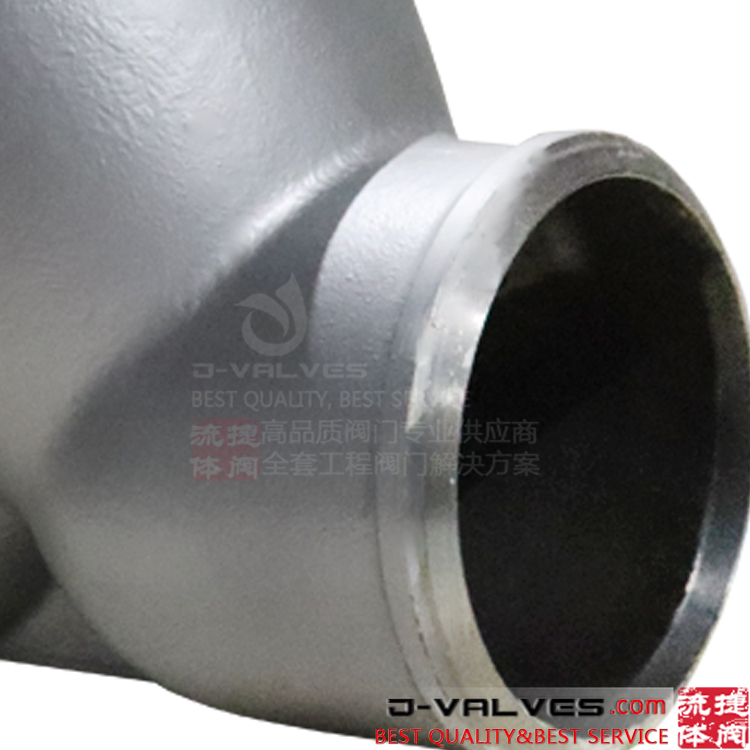
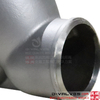
Butt-Welded Connection: Both ends adopt a butt-welded connection method, ensuring easy installation and tight sealing while reducing the risk of leakage.
Y-Type Design: The unique Y-type structure allows fluid to be evenly distributed when passing through the strainer, reducing pressure drop and improving filtration efficiency.
Removable Filter Screen: The filter screen is removable, facilitating cleaning and replacement to ensure the long-term effective operation of the strainer.
High Filtration Precision: A variety of filter screen pore sizes are available. The appropriate filtration precision can be selected according to different needs to effectively remove impurities from the fluid.
Compact Design: With small size and light weight, it is easy to install and maintain, making it suitable for occasions with limited space.
Technical Parameters
Nominal Diameter: 1/2″ to 24″ (DN15 to DN600)
Pressure Class: 150LB (PN20)
Temperature Range: -29℃ to +425℃
Materials:
Body: ASTM A216 WCB
Filter Screen: 304 or 316 Stainless Steel
Sealing Ring: Nitrile Butadiene Rubber (NBR) or Polytetrafluoroethylene (PTFE)
Connection Method: Butt-Welded Connection, compliant with ANSI B16.25 standard
Filtration Precision: Filter screens with different pore sizes (e.g., 1mm, 2mm, 3mm, 4mm, 5mm) can be selected based on requirements
Design Standard: ASME B16.34
Testing Standard: API 598
Application Fields
Oil and Natural Gas Industry: Used in oil and gas field exploration, gathering, transportation, and processing systems to filter impurities from media such as crude oil and natural gas, protecting downstream equipment.
Chemical Industry: Suitable for the transportation and reaction systems of various chemical media, preventing impurities from entering reactors or pumps and ensuring production safety.
Water Treatment Industry: Applied in the water supply and drainage systems of water plants and sewage treatment plants to filter impurities in water and improve water quality.
Food and Beverage Industry: Meets food-grade requirements and is used in pipeline systems during food and beverage production to ensure hygiene and safety.
HVAC: Used in cooling water systems, hot water systems, etc., to filter impurities in water and protect heat exchangers and pumps.
General Industrial Applications: Suitable for filtering media such as water, oil, and gas, ensuring the safe and efficient operation of the system.
Advantages and Value
High Reliability: The carbon steel material and compact design ensure the strainer operates stably in high-pressure and high-temperature environments, reducing maintenance frequency and downtime.
High Safety: The butt-welded connection ensures tight sealing during installation, effectively preventing medium leakage and safeguarding the safety of personnel and equipment.
Easy Operation: The removable filter screen design allows for convenient cleaning and replacement, ensuring the long-term effective operation of the strainer.
Convenient Installation and Maintenance: The butt-welded connection simplifies the installation process and also facilitates maintenance and overhaul, reducing maintenance costs.
Wide Applicability: Multiple material options and a broad range of pressure and temperature make it adaptable to various complex working conditions and medium characteristics.
Competitive Advantage
On Samples Buyer bear the air fee, but this fee will be reduced from order directly
On After Sales Free replacement if there is any quality problem
On Delivery Never delay delivery time
On Materials Ensure material pure
Ensure material pure