|


| Quantity: | |
|---|---|
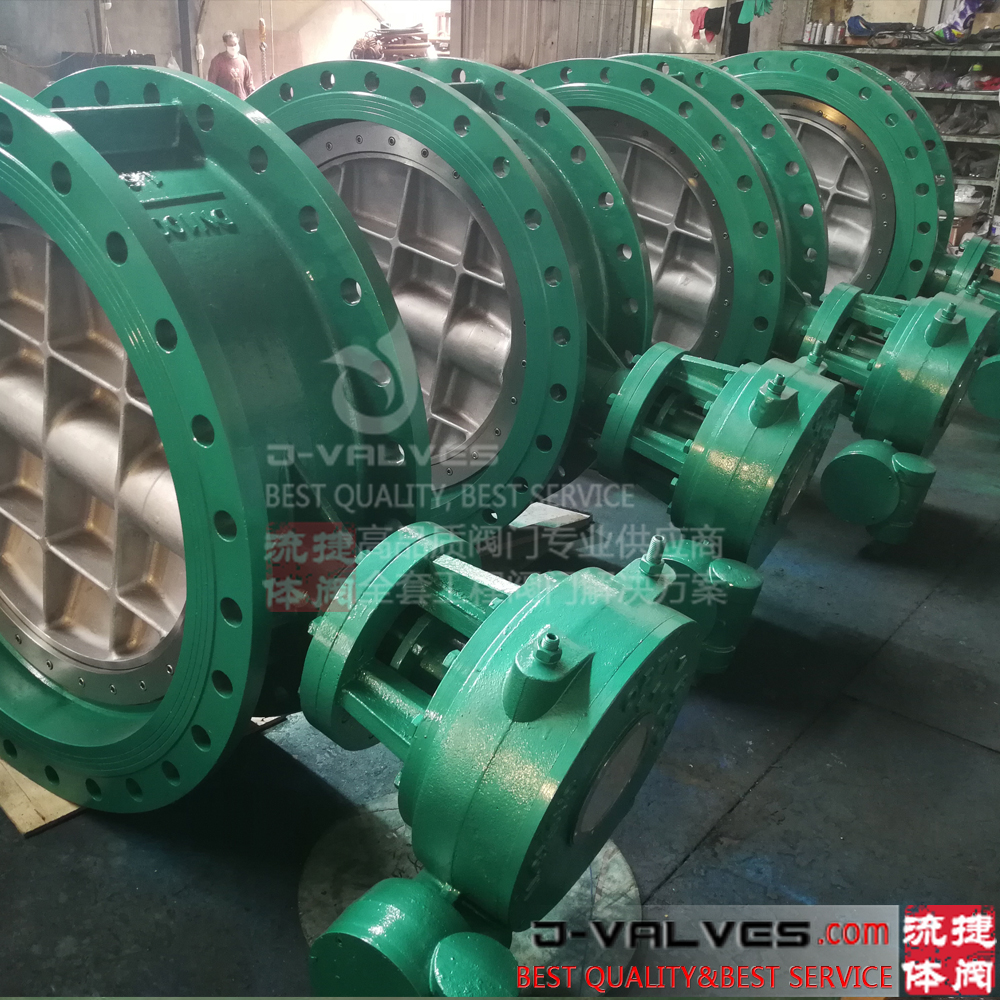
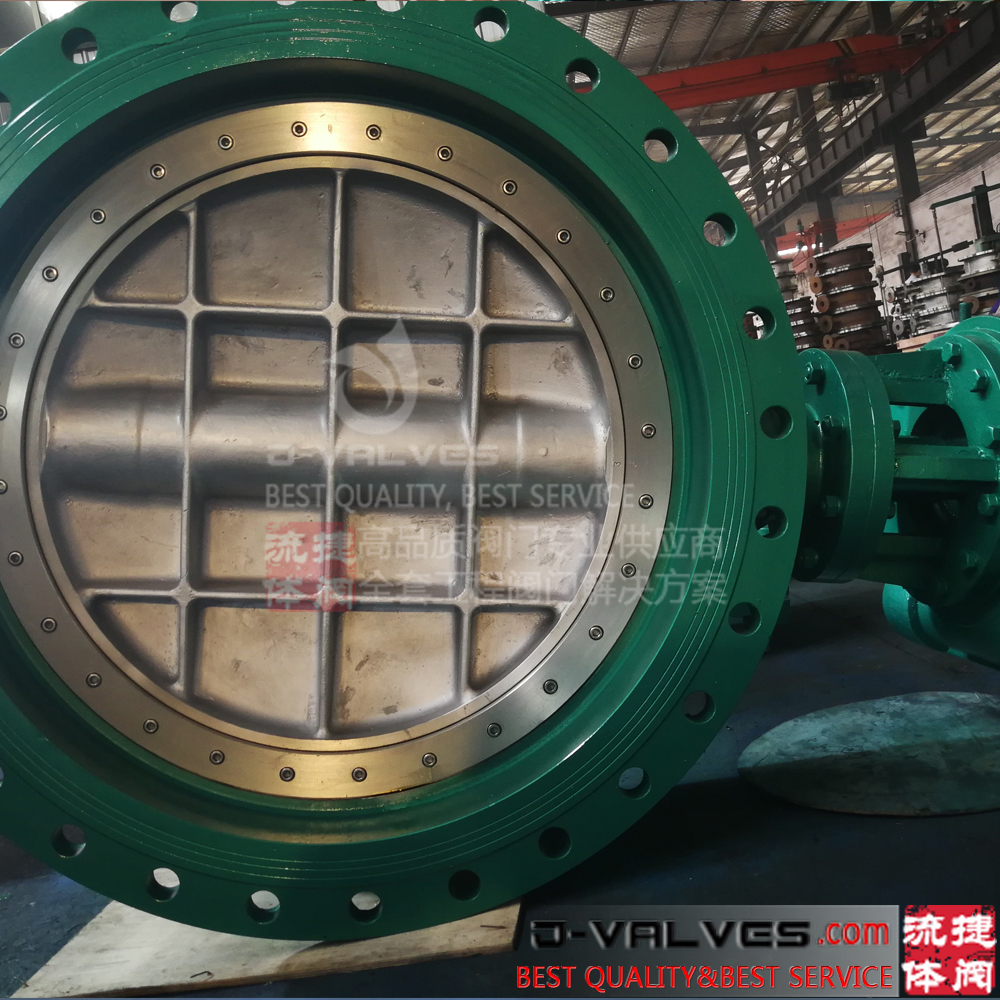
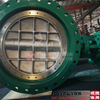
Cast Steel Flanged Triple Eccentric Butterfly Valve
Product Features:
Excellent Sealing Performance: Adopting a multi-layer sealing ring design, combined with stainless steel and non-metallic materials, it achieves bidirectional sealing. The leakage level can reach Class V, and in some cases, even zero leakage can be achieved.
Long Service Life: The triple eccentric structure allows the butterfly disc and the sealing ring to separate rapidly when opened, reducing the wear of the sealing ring. Meanwhile, when the butterfly disc is closed, it expands outward to achieve the best peripheral sealing effect, further prolonging the service life of the sealing ring.
Low Operating Torque: Thanks to its unique structural design, the operating torque is greatly reduced, making the operation of the valve easier and more convenient, and also reducing the requirements for the actuator.
Good Self-cleaning Ability: During the opening process, the butterfly disc can automatically remove impurities on the sealing surface, keep the sealing surface clean, and thus further improve the sealing performance and service life of the valve.
Wide Applicability: It can be applicable to a variety of media, including water, steam, oil products, natural gas, acidic and alkaline liquids, etc. It has a wide working temperature range, with the maximum temperature reaching over 200 °C. Some special materials can even withstand higher temperatures.
Multiple Connection Methods: It provides various connection methods such as flange connection and wafer connection, which are convenient and flexible for installation and can meet the connection requirements of different pipeline systems.
Multiple Driving Methods: It can be equipped with various actuators such as manual, electric, pneumatic, and hydraulic ones, and can also realize remote control to meet the operation requirements under different working conditions.
Technical Parameters:
Nominal Diameter: 2"~60" (DN50 ~ DN1500)
Nominal Pressure: 150LB~900LB(PN20~PN150)
Working Temperature: -20 °C - 200 °C (Some materials can reach higher temperatures)
Valve Body Material: Cast steel (WCB), 304 stainless steel, 316 stainless steel, etc.
Butterfly Disc Material: Cast steel, stainless steel, ductile iron, etc.
Sealing Ring Material: NBR, EPDM, PTFE, stainless steel, etc.
Driving Method: Manual, electric, pneumatic, hydraulic, etc.
Application Fields:
The cast steel flanged triple eccentric butterfly valve is suitable for multiple industries and working conditions, including but not limited to the following fields:
Chemical Industry: Used in pipeline systems for transporting and controlling corrosive media such as acids, alkalis, and salts.
Petroleum and Natural Gas Industry: Used for pipeline control in processes such as oil extraction, transportation, and natural gas treatment.
Water Treatment Industry: Used in the inlet, outlet, and reclaimed water reuse pipeline systems of waterworks and sewage treatment plants.
Food and Beverage Industry: Used for liquid transportation and control in processes such as food processing and beverage production.
Pharmaceutical Industry: Used in clean pipeline systems in the pharmaceutical production process to meet strict hygiene requirements.
Paper-making Industry: Used for the transportation and control of media such as black liquor and white liquor in paper mills.
Steel Industry: Used in pipeline systems for cooling water, gas, etc. in the steel production process.
Product Advantages:
Compact Structure: The valve body adopts the integral casting technology, with a compact structure, small size, and light weight, which is convenient for installation and maintenance.
Bidirectional Sealing: It can achieve bidirectional sealing, ensuring the sealing performance under different flow directions and improving the reliability of the system.
Convenient Maintenance: Some parts such as the sealing ring can be replaced, and the replacement process is simple and quick, reducing the maintenance cost.
Strong Adaptability: It can adapt to different working conditions and media, and has strong corrosion resistance and wear resistance.
Competitive Advantage:
On Samples Buyer bear the air fee, but this fee will be reduced from order directly
On After Sales Free replacement if there is any quality problem
On Delivery Never delay delivery time
On Materials Ensure material pure
Ensure material pure