| Availability: | |
|---|---|
| Quantity: | |
Main Features
Material and Structure:
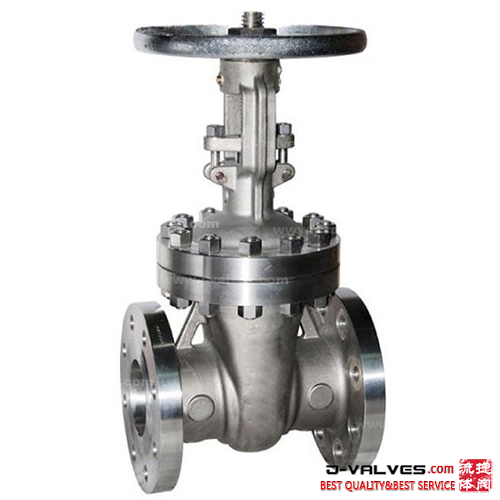
Valve Body and Disc: Made of high-quality titanium alloy, featuring excellent corrosion resistance and high strength, suitable for extreme working conditions.
Flange Connection: Complies with international standard flange connection methods to ensure the sealing and reliability between the valve and pipeline systems.
Rising Stem: Equipped with a rising stem to intuitively display the opening/closing status of the valve, facilitating operation and maintenance.
Sealing Performance:
Metal-to-Metal Sealing: The sealing surface is made of high-performance alloy materials to ensure reliable sealing under high-temperature and high-pressure conditions.
Fire-Safe Design: Complies with API 607 and API 6FA standards to ensure safety under extreme conditions such as fires.
Anti-Static Design: Ensures electrical continuity, prevents static accumulation, and complies with relevant international standards.
Operational Performance:
Low-Torque Operation: The lightweight design of titanium alloy materials and optimized structure significantly reduce operating torque, making opening/closing easier.
Multiple Operation Modes: Manual, pneumatic, or electric actuators can be selected to meet the needs of different working conditions.
Quick Disassembly and Maintenance: The flange connection facilitates quick disassembly and maintenance, reducing maintenance costs.
Application Scope:
Working Temperature: -196°C to 300°C, suitable for low-temperature to high-temperature environments.
Applicable Media: Suitable for various media such as water, natural gas, oil, and corrosive liquids.
Pressure Class: 150LB, meeting medium-pressure requirements.
Technical Specifications
Size Range: 1" to 24" (DN25 to DN600), specific sizes can be selected according to requirements.
Pressure Class: 150LB ~ 2500LB
Working Temperature: -196°C to 300°C.
Applicable Media: Water, natural gas, oil, corrosive liquids.
Design and Manufacturing Standards: API 600, ASME B16.34.
Inspection and Testing Standard: API 598.
Materials:
Valve Body: Titanium alloy.
Seat: High-performance alloy materials or PTFE.
Stem: Stainless steel or titanium alloy.
Main Features
Material and Structure:
Valve Body and Disc: Made of high-quality titanium alloy, featuring excellent corrosion resistance and high strength, suitable for extreme working conditions.
Flange Connection: Complies with international standard flange connection methods to ensure the sealing and reliability between the valve and pipeline systems.
Rising Stem: Equipped with a rising stem to intuitively display the opening/closing status of the valve, facilitating operation and maintenance.
Sealing Performance:
Metal-to-Metal Sealing: The sealing surface is made of high-performance alloy materials to ensure reliable sealing under high-temperature and high-pressure conditions.
Fire-Safe Design: Complies with API 607 and API 6FA standards to ensure safety under extreme conditions such as fires.
Anti-Static Design: Ensures electrical continuity, prevents static accumulation, and complies with relevant international standards.
Operational Performance:
Low-Torque Operation: The lightweight design of titanium alloy materials and optimized structure significantly reduce operating torque, making opening/closing easier.
Multiple Operation Modes: Manual, pneumatic, or electric actuators can be selected to meet the needs of different working conditions.
Quick Disassembly and Maintenance: The flange connection facilitates quick disassembly and maintenance, reducing maintenance costs.
Application Scope:
Working Temperature: -196°C to 300°C, suitable for low-temperature to high-temperature environments.
Applicable Media: Suitable for various media such as water, natural gas, oil, and corrosive liquids.
Pressure Class: 150LB, meeting medium-pressure requirements.
Technical Specifications
Size Range: 1" to 24" (DN25 to DN600), specific sizes can be selected according to requirements.
Pressure Class: 150LB ~ 2500LB
Working Temperature: -196°C to 300°C.
Applicable Media: Water, natural gas, oil, corrosive liquids.
Design and Manufacturing Standards: API 600, ASME B16.34.
Inspection and Testing Standard: API 598.
Materials:
Valve Body: Titanium alloy.
Seat: High-performance alloy materials or PTFE.
Stem: Stainless steel or titanium alloy.
Compare C83600 and C84400 bronze ball valves in strength, corrosion resistance, machinability, and cost. Learn why C83600 two-piece bronze ball valves are a smart choice for many industrial applications.
Understanding Floating Flanged Ball ValvesFloating flanged ball valves, a staple in the realm of quarter-turn valves, employ a spherical ball mechanism to regulate fluid flow. What sets them apart is the unique floating design of the ball, which is supported by the valve seats. Under pressure, this
Understanding Y-Type and T-Type FiltersY-Type FiltersStructure and FunctionY-type filters are named for their Y-shaped design, which includes a cylindrical body and a strainer basket. The strainer basket, typically made of perforated metal or mesh, allows fluid to pass through while trapping solid p
Choosing the right bronze two-piece ball valve is not just about matching specifications. It is about finding a reliable solution that supports long-term performance, reduces downtime, and helps your project operate safely and efficiently. In this article, we will explain what makes this valve type a smart choice and how to select the right one for your application.
I. Application of Y-Type Filters in Fine Chemicals(1) Structural and Performance Characteristics Y-type filters are named for their shape resembling the letter "Y". They are mainly composed of connecting pipes, main pipes, filter screens, flanges and fasteners. Its filter screen is usually made of s
API 609 Butterfly ValvesDesign and Performance• Standard Overview: API 609 is a widely recognized standard for butterfly valves, particularly in the oil and gas industry. It specifies the design, manufacturing, and testing requirements to ensure reliability and safety.• Material Specifications: API
The triple eccentric butterfly valve, as exemplified by J-VALVES, represents a significant innovation in valve technology. This high-performance valve design has been gaining popularity in various industries due to its superior sealing capabilities, reliability, and efficiency. Since its inception,
The J-VALVES High Pressure Ball Valve with Metal Seated Technology is specifically engineered to address these challenges by delivering superior leakage prevention, durability, and operational reliability.
In industrial pipeline systems such as oil & gas, petrochemical, and offshore platforms, safety and reliable isolation are critical requirements. One advanced valve design that improves operational safety is the Double Block and Bleed (DBB) Trunnion Ball Valve.
In modern industrial flow control systems, selecting a valve that provides reliable sealing, durability, and high performance is critical for safe and efficient operations. Among the various valve types available in the market, the API 609 certified Triple Offset Butterfly Valve with Double Flanged Design has become a preferred choice for demanding industrial applications.
I.IntroductionIn the realm of gas transmission, the demand for high - quality, reliable valves is paramount. Among these, large - size trunnion ball valves play a crucial role. J - VALVES, a leading name in the valve manufacturing industry, offers custom solutions that are revolutionizing gas transm
Floating ball valves are versatile and reliable components used to control the flow of fluids in various industrial applications. Their robust design, ease of operation, and ability to provide a tight seal make them ideal for a wide range of industries. This article explores the diverse applications
Discover the J-VALVES 24" 600LB WC6 electric actuated gate valve supplied to an environmental engineering project in Italy. High-pressure performance, durable alloy steel construction, and reliable automated control for industrial pipelines.
Understanding Your Application RequirementsBefore selecting a gate valve, it is essential to understand the specific requirements of your industrial application. This includes:Fluid Type: Determine the type of fluid that will flow through the valve. Common fluids include water, oil, steam, gases, an
Gate valves are widely used in industrial applications for controlling the flow of various liquids and gases. The DN800 PN25 WCB pneumatic actuator gate valve is designed to offer reliable and efficient performance in high-pressure environments, specifically with a pressure rating of PN25. This part
In the field of industrial pipeline systems, especially in the petroleum, natural gas, and large-scale water treatment industries, large size trunnion ball valves that comply with API 6D standards have become the core equipment for fluid control and isolation. API 6D, formulated by the American Petroleum Institute (API), is a globally recognized authoritative standard for pipeline valves, defining strict requirements for the design, manufacturing, assembly, testing, and documentation of valves. For large-diameter pipeline projects, the stability, pressure-bearing capacity, and sealing performance of valves directly affect the safety and efficiency of the entire system.
Understanding Water HammerDefinition and ImpactWater hammer occurs when fluid flow in a pipeline is suddenly stopped or redirected, causing a pressure wave to propagate through the fluid. This can result in significant pressure spikes, leading to pipe rupture, valve failure, and other damage.Causes
Gate valves with pneumatic actuators are a type of gate valve that uses pneumatic actuation devices for opening and closing operations, and are widely applied in industrial systems requiring remote or automated control. Pneumatic actuators provide efficient and precise control capabilities for gate
Welded metal-sealed triple eccentric butterfly valves are advanced industrial valves widely applied in piping systems requiring high sealing performance, high temperature and corrosion resistance. The design of such valves integrates metal sealing technology with a triple eccentric structure, ensuri
When selecting reliable floating ball valves for highly corrosive and demanding industrial applications such as marine engineering, offshore oil and gas, chemical processing, or seawater treatment, engineers and purchasers prioritize three core factors: material durability, compliance with international standards, and long-term operational stability. J-VALVES API608 C95800 Floating Ball Valve is engineered to meet and exceed these requirements. Leveraging the exceptional performance of C95800 nickel-aluminum bronze alloy and strictly adhering to the API 608 standard, it delivers unparalleled performance in harsh environments. As a trusted choice in the global industrial sector, this valve addresses the most common pain points in industrial fluid control, making it the premier solution for applications requiring corrosion resistance, high pressure tolerance, and high reliability.