| Availability: | |
|---|---|
| Quantity: | |
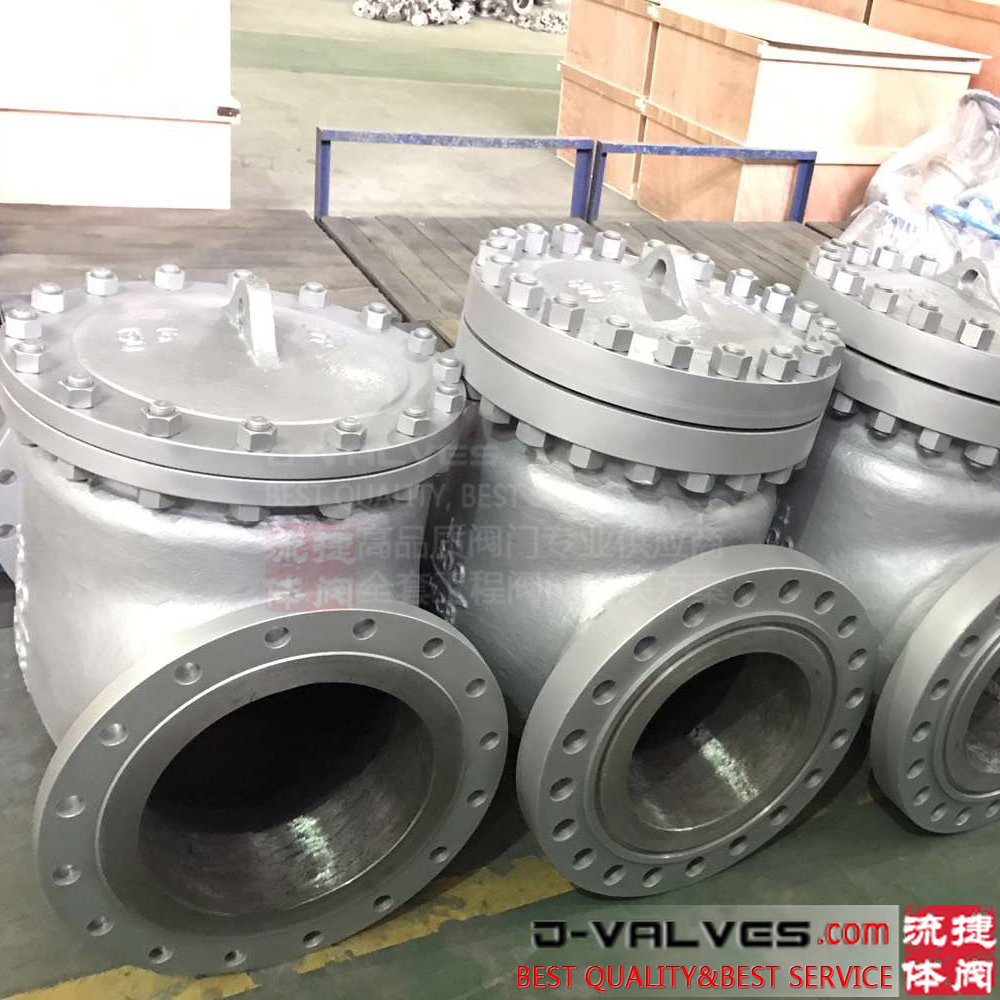
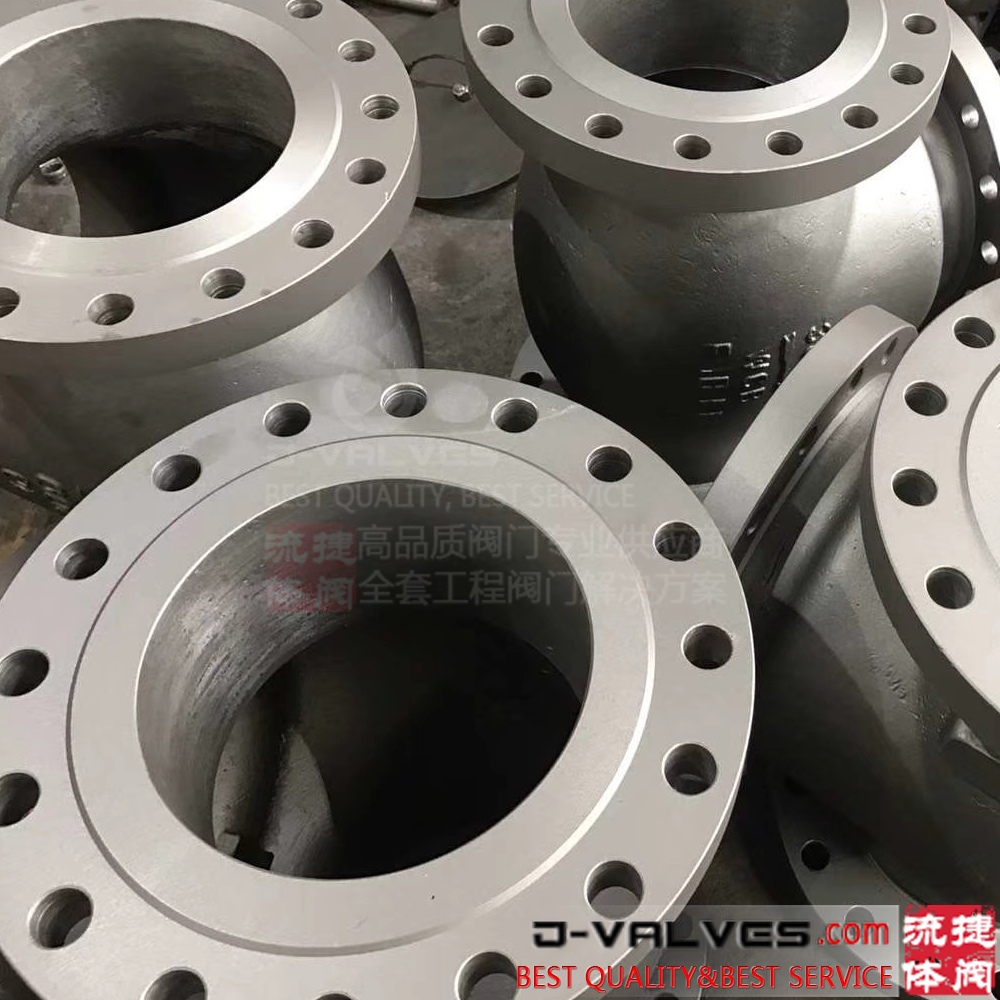
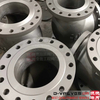
API 6D 16" 150LB High Pressure Cast Steel Swing Check Valve
Main Features
Cast Steel Material: The valve body is made of high-quality cast steel (such as A216 WCB), which has high strength, high toughness, and good corrosion resistance, and can adapt to harsh working environments.
Large Diameter Design: With a diameter of 16 inches, it can meet the transportation requirements of large flow rates and is suitable for large-scale industrial pipeline systems.
150LB Pressure Rating: It can withstand a pressure of 150 pounds class, is suitable for medium and high-pressure working conditions, and ensures stable operation under high-pressure conditions.
Swing Type Structure: It adopts a swing type valve disc design. The valve disc is connected to the valve body through a hinge mechanism and automatically opens and closes relying on the pressure of the fluid. This structure makes the valve have low resistance when opening, good sealing performance when closing, and does not require external forces such as springs.
Flange Connection: It is equipped with standard flange connection ends that comply with the ASME B16.5 standard, facilitating quick and reliable connection with the pipeline system, and making installation and maintenance convenient.
Reliable Sealing Performance: The valve seat has a precisely machined sealing surface, and metal seals or soft sealing materials can be selected to ensure that the valve can achieve reliable sealing under various working conditions and prevent medium leakage.
Strong Maintainability: The valve design takes into account the convenience of maintenance. Some components such as the valve disc and valve seat can be replaced, which extends the service life of the valve and reduces maintenance costs.
Technical Specifications
Size: 1/2"~48" (DN15~DN1200)
Pressure Rating: 150LB~2500LB (PN20~PN420)
Working Temperature Range: -29℃~427℃
Applicable Media: Suitable for various media such as liquids, gases, and steam.
Design Standard: API 6D
Test Standard: API 598
Connection Method: Flange connection
Valve Body Material: Cast steel (such as A216 WCB)
Valve Disc Material: Options include cast steel, stainless steel, or alloy steel, etc.
Sealing Material: Metal seals, soft seals, etc. can be selected according to working conditions.
Application Fields
Petroleum and Natural Gas Industry: It is used in oil and gas transmission pipelines, natural gas processing facilities, etc. to prevent the backflow of media and ensure the safe operation of the pipeline systems.
Chemical Industry: In the process of chemical production, it is used to prevent the backflow of corrosive media and protect equipment and pipelines.
Water Treatment Industry: It is used in water supply systems, sewage treatment systems, etc. to ensure the one-way flow of water and prevent water hammer phenomena.
Energy Industry: In power plants, heating stations, and other places, it is used in pipeline systems for media such as steam and hot water to ensure the stable operation of the systems.
Competitive Advantage:
On Samples Buyer bear the air fee, but this fee will be reduced from order directly
On After Sales Free replacement if there is any quality problem
On Delivery Never delay delivery time
On Materials Ensure material pure
Ensure material pure
J-VALVES specializes in R&D and manufacturing of flanged globe valves. Our products feature premium materials, optimized sealing structure and stable performance for harsh working conditions. We deliver reliable valve solutions with proven cases for power, chemical, water treatment industries.
Aluminum Bronze C95800 gate valves are widely recognized for their outstanding corrosion resistance, high strength, and durability, making them ideal for demanding industrial applications. The 150LB class design ensures compatibility with standard piping systems while providing reliable performance under high-pressure conditions.
Strainers are essential in industrial piping systems, protecting equipment from debris and contamination. Choosing the right material—carbon steel or stainless steel—is crucial for system reliability and longevity.
Premium 12" 600LB LCC cryogenic angle globe valve compliant with API 6D & ASME B16.34. Designed for -46℃ to -101℃ LNG, ethylene & cryogenic gas systems with zero-leak sealing and long-term stable performance. Get reliable cryogenic fluid control solutions from J-VALVES.
Strainers are essential components in industrial piping systems, protecting pumps, valves, meters, and other critical equipment from debris and contaminants. Among the most commonly used filtration devices are Y-strainers and basket strainers. While both serve the same basic purpose, their internal flow distribution characteristics differ significantly, directly affecting pressure drop, filtration efficiency, and maintenance requirements.
J-VALVES proudly announces the successful completion of a batch of high-performance lubricated plug valves, fully assembled, tested, and prepared for packaging and global shipment. These industrial-grade plug valves, widely used in oil & gas, petrochemical, and pipeline transmission systems, embody J-VALVES’ commitment to precision engineering and reliable quality.
High-quality ISO 21809 certified FBE gate valves by J-VALVES. Adopting standard epoxy coating technology and rigorous FBE coating thickness inspection, all valves pass full-coverage spark test with zero pinholes. Zero-defect one-time molding, superior anti-corrosion and stable performance for global industrial pipeline projects.
J-VALVES is a professional ISO 21809 standard FBE coated valve manufacturer, offering high-quality FBE valves with standardized technology and strict full-link quality control. We adopt ISO 21809-compliant raw materials, micron-level precise process control and full-coverage standard testing. Our FBE valves feature strong adhesion, excellent corrosion resistance, 25+ years long service life and stable mass delivery, ideal for global industrial pipeline engineering projects.
Discover the critical differences between API 600 and ASME B16.34 standards for J-VALVES DN700 PN63 WCB Globe Valves in high-temperature applications. Expert comparison with tables, real-world insights, and selection guidelines.
In demanding industrial environments, backflow prevention is critical for maintaining pipeline safety and protecting pumps, compressors, and process equipment. Among various check valve materials, C95800 Nickel Aluminum Bronze swing check valves have become a preferred solution for marine engineering, offshore platforms, desalination plants, and seawater systems due to their outstanding corrosion resistance and long-term durability.
Strainers are critical components in industrial piping systems, designed to remove debris, protect downstream equipment, and ensure uninterrupted process operation. In high-pressure applications—common in oil and gas, petrochemical, power generation, and offshore systems—selecting the appropriate strainer type is essential to maintain system integrity, reduce maintenance costs, and enhance safety.
Triple offset butterfly valves are widely used in oil and gas, LNG, petrochemical, and power generation industries because of their excellent sealing performance and high-temperature resistance. To ensure safety and reliability, manufacturers must follow strict API standards during production and testing.
Nickel Aluminum Bronze (NAB) Y-strainers are widely recognized for their outstanding corrosion resistance in marine, offshore, and industrial fluid systems. In environments where seawater, salt spray, chlorides, and aggressive media can rapidly damage standard materials, NAB Y-strainers provide long-term durability and reliable filtration performance.
Unexpected industrial pipeline shutdowns often stem from backflow, water hammer, and corrosion leaks. The J-VALVES 2.5" 300LB C95800 Nickel Aluminum Bronze check valve minimizes unplanned downtime and maintenance costs with high-strength corrosion-resistant material, fast-response design, and long service life, ensuring continuous system operation.
API 6D vs CE certification: which matters more? Compare compliance, safety and applications of J‑VALVES 600LB A105 trunnion ball valve in industrial pipelines for better selection.
Check valves are essential components in industrial piping systems, designed to prevent reverse flow and protect pumps, compressors, and process equipment. Among the most commonly used designs are lift check valves and swing check valves. Although both serve the same basic function, their internal structures, flow characteristics, and application suitability are significantly different.
Marine piping systems operate in some of the harshest industrial environments. Continuous exposure to seawater, salt spray, moisture, and high-flow conditions creates serious challenges for filtration equipment. Among various material options, Nickel Aluminum Bronze (NAB) basket strainers have become a preferred solution for marine and offshore applications due to their outstanding corrosion resistance, mechanical strength, and long service life.
Large diameter gate valves are widely used in oil and gas, power generation, petrochemical, water treatment, and offshore industries. These valves control high-volume fluid flow under demanding operating conditions, making material selection one of the most important factors in valve performance and service life.Choosing the correct materials for valve bodies, gates, stems, and sealing components helps improve durability, corrosion resistance, pressure reliability, and operational safety.
Y-strainers are essential components in LNG transport systems, protecting pumps, valves, and flow meters from debris and solid particles. Because LNG operates at extremely low temperatures around -162°C, material selection for Y-strainers is critical for safety, durability, and system reliability.
C95800 gate valves are widely used in industrial, marine, and chemical piping systems for their corrosion resistance, durability, and reliable flow control. Choosing the correct body connection type—flanged, threaded, or welded—is critical to ensuring system integrity, ease of maintenance, and safety. Understanding the advantages of each connection type helps engineers optimize valve selection for their specific applications.