| Availability: | |
|---|---|
| Quantity: | |
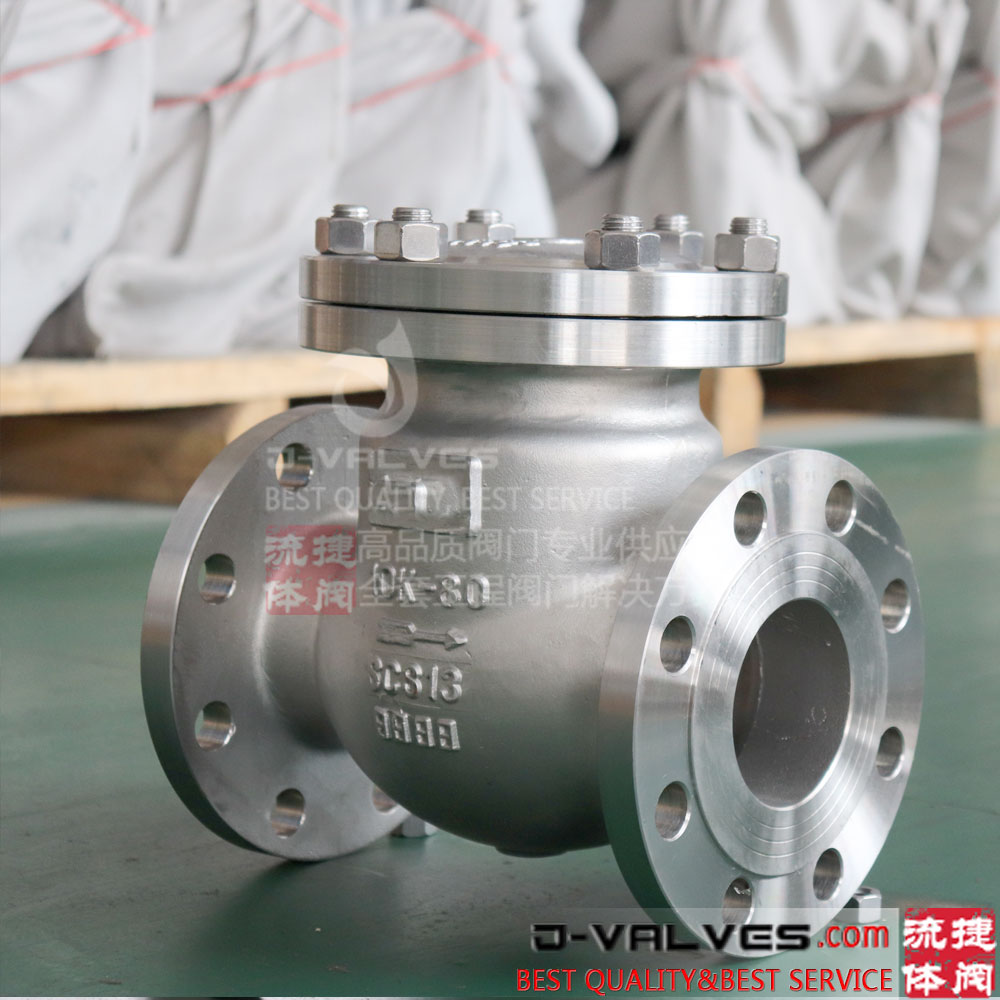
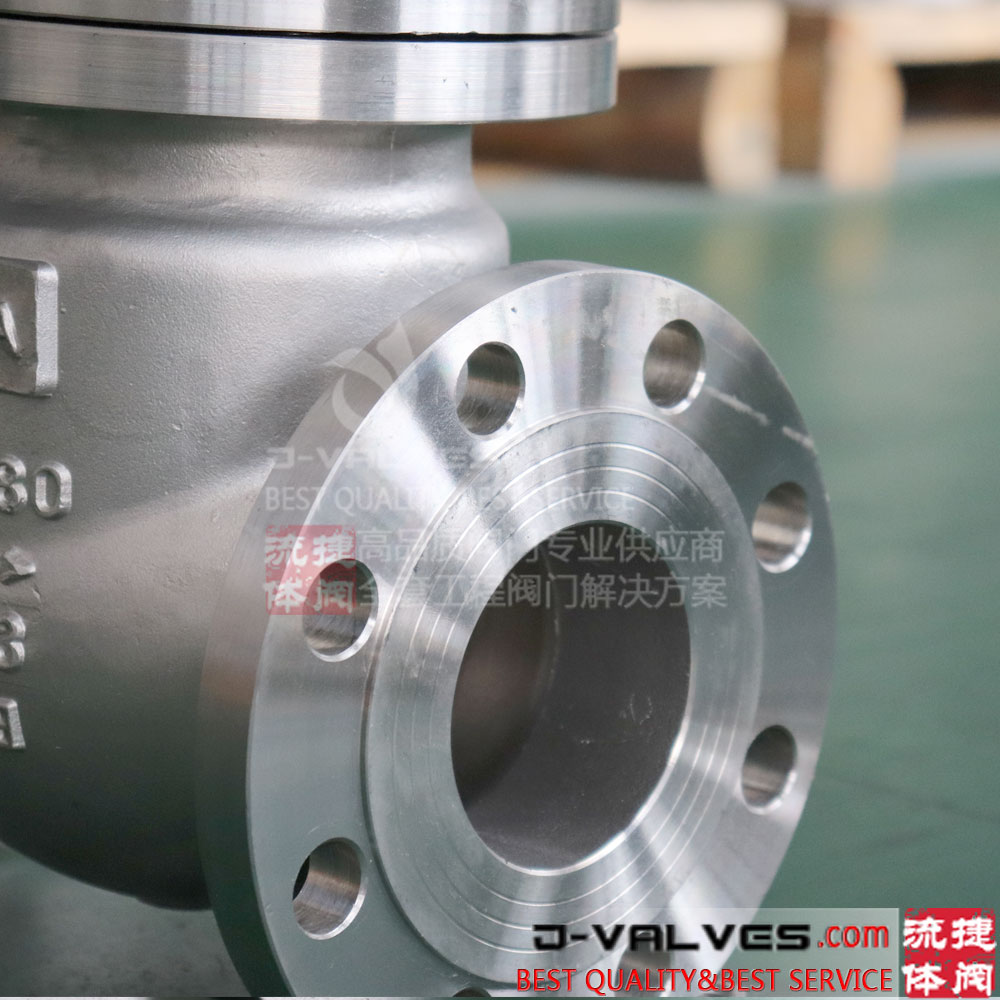
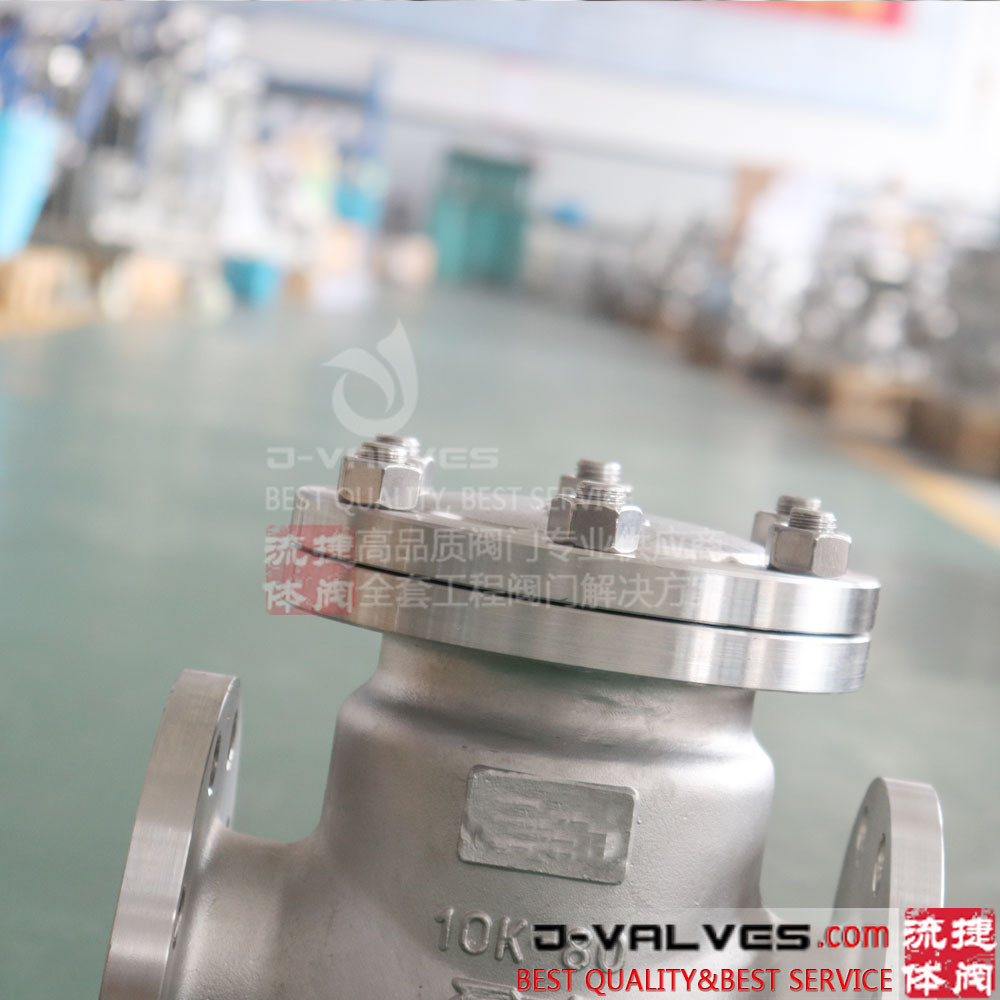
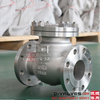
JIS 10K Stainless Steel Flanged Check Valve
Product Features
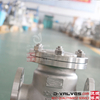
One-way Flow Design: This check valve adopts a swing type or lift type structure to ensure that the fluid can only flow in one direction, effectively preventing the backflow of the medium and protecting the pipeline system from impacts such as water hammer.
High Strength and Durability: Its design pressure is 10K, enabling it to withstand relatively high working pressures. Meanwhile, the stainless steel material allows it to maintain long-term stable operation even in harsh environments.
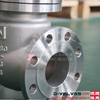
Flange Connection Method: It is equipped with standard flange connection ends, facilitating quick and reliable connection with the pipeline system, and making installation and maintenance very convenient.
Multiple Sizes Available: It offers a variety of sizes ranging from 1 1/2 inches to 48 inches to meet the flow and space requirements of different pipeline systems.
Strict Quality Inspection: Inspection and testing are carried out in accordance with standards such as JIS B2003 to ensure that each product meets high-quality requirements and provides reliable performance guarantees for users.
Specification Dimensions
Size: 1/2"~48"(DN15~DN1200)
Pressure rating: 10K~20K
Material: A351 CF8M/CF8/CF3/CF3m, A216 WCB,A352 LCB,A217 WC6/WC9
Suitable Temperature: -196ºC~450ºC
Suitable Medium: Water, Oil and natural gas and other causticity medium (Different raw material for different medium)
Application Fields
The JIS 10K stainless steel flanged check valve is widely used in industries such as petrochemical, natural gas, water treatment, electric power, and shipbuilding. It is suitable for transporting various media such as water, oil, natural gas, acid-base solutions, etc., and plays an important role especially at key positions where it is necessary to prevent the backflow of the medium.
Tips:
We also manufacture other type valves, as butterfly valve, check valve, globe valve, Y strainer, sanitary butterfly valve, sanitary ball and so on.
Any item meets your interest, anything confused you, pls keep me posted, let's talk more.
Competitive Advantage:
On Samples Buyer bear the air fee, but this fee will be reduced from order directly
On After Sales Free replacement if there is any quality problem
On Delivery Never delay delivery time
On Materials Ensure material pure
Ensure material pure
A knife gate valve has no seat pocket and no wedge: a beveled blade crosses the bore and cuts what is in it. Where it seals, where it cannot, what to order.
A Y type check valve puts the seat in a 45 degree branch and keeps the disc out of the bore. Orientation, cap access, failure points and what to specify.
Chlorine valve selection: the 150 ppm dry/wet divide, vapour pressure arithmetic, liquid-full cavity expansion to 390 bar, and proven relief paths.
Line pressure under the plug cancels axial thrust in a pressure balanced plug valve. What that buys in torque, what it costs, and how it fails silently.
Why oxygen valves burn: adiabatic compression arithmetic, EIGA velocity and exemption tables, PTFE limits and CGA G-4.1 cleaning rules.
What ASME and PED dual certification really requires: valve categories, modules, CE marking, material routes, the WCB Charpy trap and shipping documents.
Why a single disc wafer check valve lives inside the flange gap, what the line gasket does to its seat, which way to mount it, and what to order.
ASME B16.34 pressure-temperature ratings explained: material groups, the Class 150-2500 table, interpolation, Special Class limits and Class versus PN.
Why a T type strainer holds more screen than a Y type, where it belongs in the line, how the blowdown is used, and what to write on the enquiry.
Valve spare parts planning: failure data, interchangeable groups, Poisson stocking levels, kit contents, shelf life, lead times and repair vs replace.
Thermal growth eats the wedge guide clearance, the stem pushes the wedge into the seat, and packing tightens itself. What to check before blaming the valve.
Steam humidification guide: psychrometric load sizing, isothermal vs adiabatic, steam quality, control valve Kv selection, absorption distance limits.
Which parts of a gate, globe or check valve actually wear, what to keep on the shelf, and why a spare bought for the same size still will not fit.
Valve storage and preservation guide: ISO 2230 elastomer shelf life, nitrogen blanket storage, VCI protection, cycling schedules and RFQ clauses.
Same size, same class, different length. Where the face-to-face number comes from, what to measure before ordering, and what a forced fit does to the joint.Same size, same class, different length. Where the face-to-face number comes from, what to measure before ordering, and what a forced fit does to the joint.
What EN 10204 3.1 and 3.2 certificates prove for valve procurement: the stockist clause, PED category rules, PMA and heat number traceability checks.
A globe valve has a front and a back. Flow under the disc or over it decides where the pressure sits when shut, and which end of the stroke is hard.
Gear operator sizing from valve torque: breakaway vs running torque, MSS SP-91 handwheel force limits, MAST stem checks, ratio and turns arithmetic.
Stem up, sideways or down: what each does to the bonnet cavity and packing, plus correct orientation for swing checks, Y strainers and butterfly valves.
Class 125 is 13.8 bar and a ductile iron main can surge to 24. Why the body material decides whether a water valve cracks or bulges, with the arithmetic.