| Availability: | |
|---|---|
| Quantity: | |
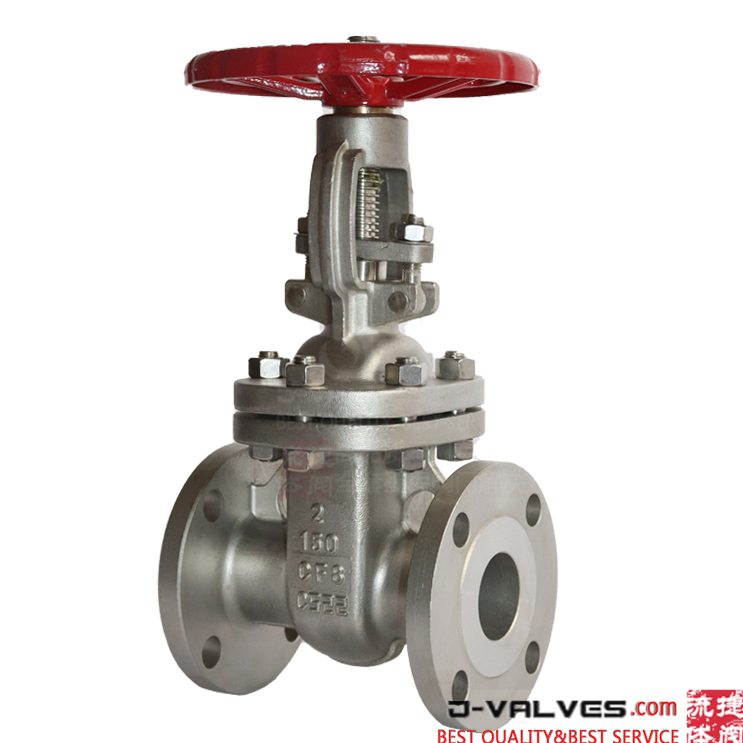
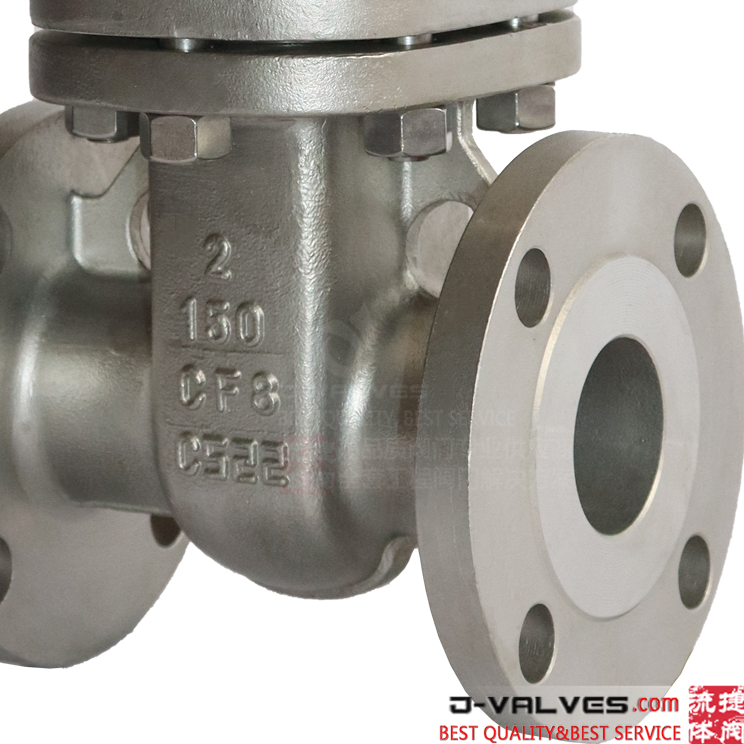
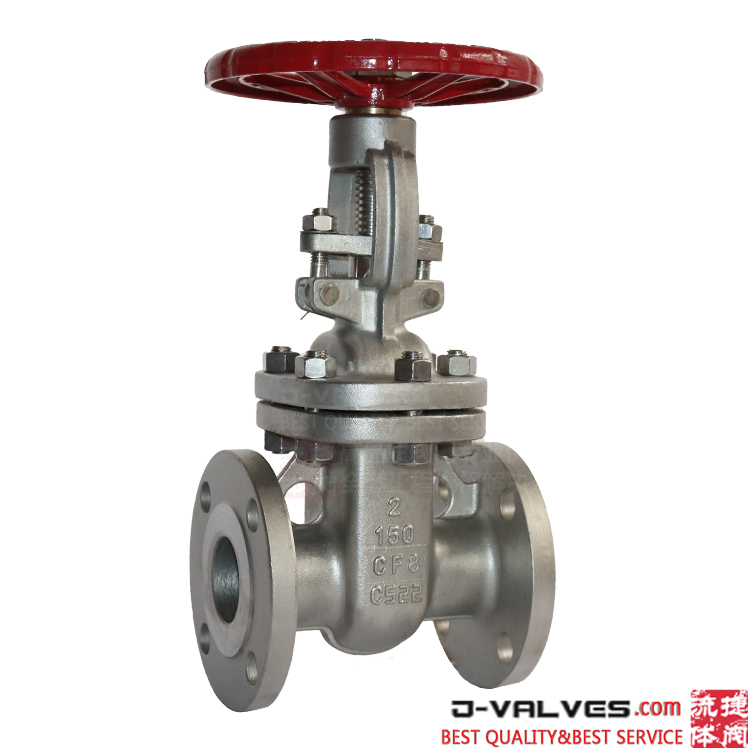
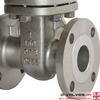
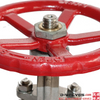
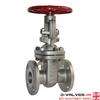
2" 150LB A351 CF8 Stainless Steel Flange Gate Valve
Technical Parameters
Nominal Diameter: 1/2"~48" (DN15~DN1200)
Pressure Rating: 150LB~2500LB (PN20~PN420)
Applicable Temperature: -29℃~425℃
Applicable Media: water, steam, oil, natural gas, acid, alkali, organic compounds, etc.
Materials:
Valve Body: A351 CF8
Valve Disc: 304 or 316 stainless steel
Valve Stem: 304 or 316 stainless steel
Packing: PTFE or other high-temperature resistant materials
Connection Method: Flange connection
Operation Method: Manual
Design Standards: API 600, ANSI B16.34
Testing Standards: API 598
Flange Standards: ANSI B16.5
Product Features
Material Advantage: The A351 CF8 material has good corrosion resistance and high strength, and is suitable for a variety of corrosive media.
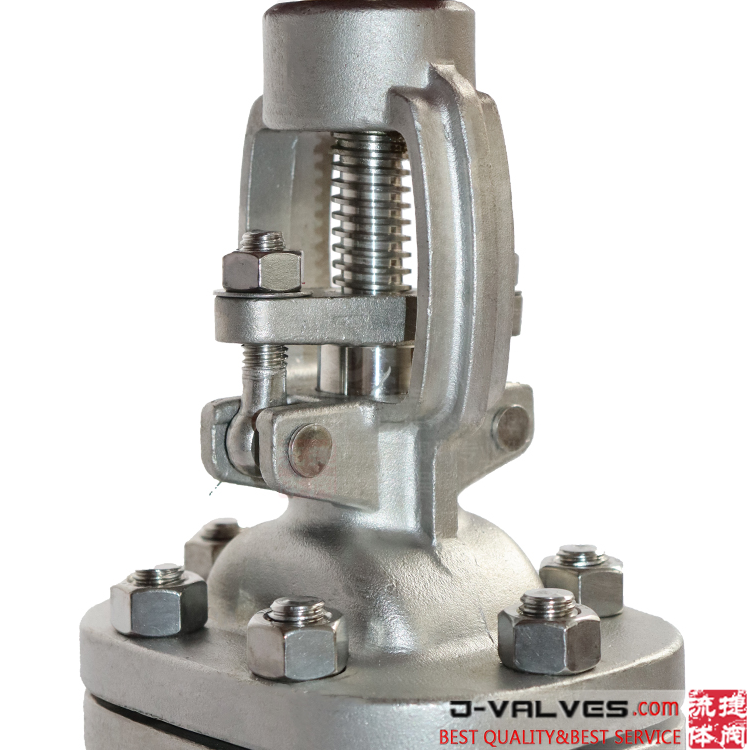
Sealing Performance: It adopts an elastic wedge structure and precisely machined sealing surfaces to ensure the sealing performance of the valve in both fully open and fully closed states.
Structural Design: The valve body is bolted, which is convenient for maintenance and replacement of parts. The full-bore design reduces fluid resistance and improves fluid passing capacity.
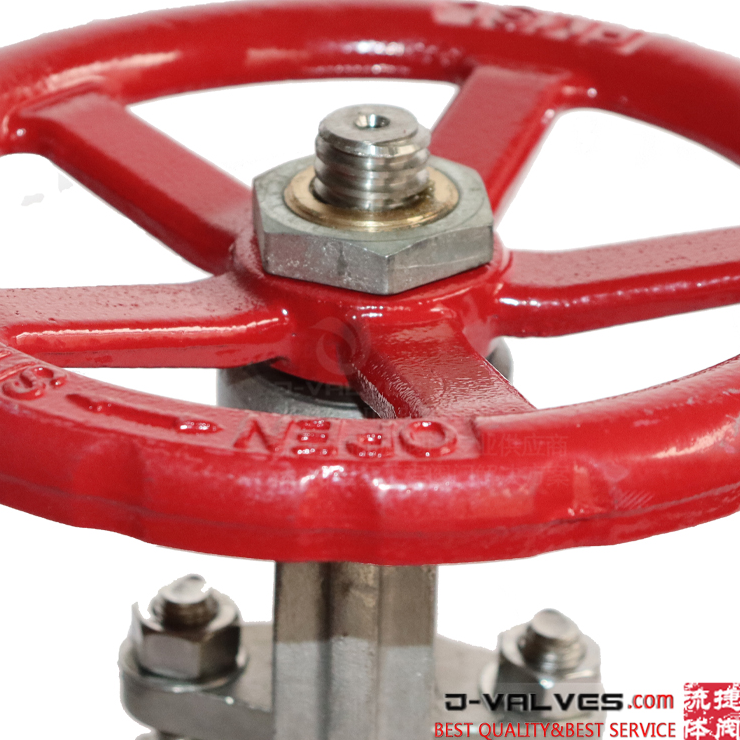
Operation Convenience: Equipped with a handwheel operating mechanism, it is simple to operate and can be opened and closed quickly.
High Reliability: It has undergone strict pressure tests and sealing tests, complies with international standards, and ensures long-term stable operation.
Application Scenarios
Petroleum and Natural Gas Industry: Used in oil and gas transmission pipelines to control the flow of media such as oil and natural gas.
Chemical Industry: Suitable for the control of corrosive media such as acid, alkali and organic compounds in chemical production.
Water Treatment Industry: Used in water supply and drainage pipelines in water treatment systems to control the opening and closing of water flow.
Energy Industry: In the cooling water systems and steam systems of power plants, it ensures the reliable transmission of media.
Food and Pharmaceutical Industry: Due to its good corrosion resistance and hygienic performance, it is suitable for the control of clean fluids in the food and pharmaceutical industries.
Product Advantages
High-Quality Manufacturing: Advanced casting and processing technologies are adopted to ensure the high quality and high performance of the valves.
Customization Service: Customized products with special sizes, pressure ratings or materials can be provided according to customer needs.
Perfect After-Sales Service: Professional technical support and after-sales service are provided to ensure customers' worry-free use.
The DN150 PN100 LF2 hydraulic butt-weld ball valve is designed for high-pressure, low-temperature, and demanding industrial applications. Learn its structure, benefits, common uses, and key selection tips for better project performance.
Learn how DN600 PN16 GP240GH gate valve testing works, including material verification, shell test, seat leakage test, dimensional inspection, and final acceptance steps for industrial projects.
In industrial fluid control systems, the globe valve is a critical piece of equipment widely used for regulating and shutting off the flow of liquids, gases, and steam. Compared with other types of valves, globe valves stand out for precise flow control and tight sealing performance thanks to their
In the world of fluid handling, filtration is crucial to maintaining system efficiency and ensuring the longevity of components. One of the most widely used filtration devices in multi-stage fluid filtration systems is the Y-Strainer. These filters are known for their reliability, ease of maintenanc
Discover the 6" 1500LB F51 angle globe valve for high-pressure and corrosion-resistant applications. Learn its structure, benefits, selection tips, and industry use cases.
Discover the DN350 PN320 LF2 CL1 welded trunnion ball valve for high-pressure and low-temperature service. Learn its structure, sealing advantages, material benefits, and typical applications.
In industrial fluid control systems, butterfly valves serve as important regulating and shut-off valves, widely used in the conveyance and control of various liquids, gases and steam. As a high-performance, corrosion-resistant type of butterfly valve, the C95800 triple eccentric wafer butterfly valv
In industrial fluid transport systems, ensuring the safety and efficiency of operations is crucial, especially when dealing with hazardous fluids. Contaminants, particulates, and debris can significantly affect the performance of pumps, valves, and other critical equipment. Y-strainer filters play a
Looking for a WCB carbon steel, national standard DN700 PN63 high pressure globe valve? This guide explains structure, pressure rating, material choice, and key selection points for large-diameter industrial pipelines.
In modern industrial fluid control systems, as a key component for preventing backflow, check valves are widely used in various piping systems. The lift check valve is a common type of check valve. Thanks to its simple and efficient working principle, it is extensively applied in water treatment, pe
In industrial fluid control systems, gate valves serve as essential flow control equipment, widely applied across petroleum, natural gas, chemical, power, water treatment, and numerous other sectors. The 150LB C95800 gate valve, with its superior performance and durable materials, has become an indi
In energy plants, whether in power generation, oil and gas, or renewable energy sectors, the efficient operation of pumps, pipelines, and machinery is critical to ensure continuous production and minimize downtime. One of the most common issues these systems face is the accumulation of debris and pa
Test data exposed! The durability gap between ordinary ball valves and trunnion ball valves is amazing. Behind the more than 3-fold service life difference is the core difference in structural design and material technology. This article helps you avoid selection mistakes, choose a more durable and worry-free ball valve, and reduce long-term operation and maintenance costs through real working condition tests, parameter breakdown, and scenario adaptation. With 10 years of SEO + valve industry experience, full of practical information, follow our website for more industrial valve test comparisons and selection guides.
In fluid control systems, butterfly valves have become critical equipment due to their high efficiency and simple operation, especially for applications requiring precise flow and pressure regulation. The C95800 triple eccentric wafer butterfly valve is a high-performance butterfly valve with unique
In piping systems, particularly those used in industrial and critical applications, maintaining the proper direction of fluid flow is essential for operational efficiency and safety. One of the most common challenges encountered in such systems is backflow, which can lead to contamination, equipment
In offshore and subsea applications, the integrity of fluid systems is essential for ensuring operational efficiency, safety, and the longevity of equipment. Y-strainers are widely used in these challenging environments to protect machinery, maintain flow rates, and minimize the risk of system failu
Why do standard Y-type strainers struggle in high-pressure service? This article explains how a thickened body improves strength, pressure resistance, fatigue life, and sealing stability, helping you choose the right industrial strainer for demanding pipeline conditions.
Gate valves are ideal for low pressure drop, large-diameter, and on-off service, while globe valves are better for precise flow control in small-diameter lines. This article compares structure, performance, applications, and selection tips.
What is the difference between GB and ANSI globe valves? This article compares pressure resistance, durability, design, sealing, and application scenarios to help you choose the right globe valve for long-term performance.
In industrial fluid systems, preventing backflow is a critical aspect of ensuring the safety, efficiency, and longevity of the system. Backflow can lead to contamination, system failures, and costly downtime, making the integrity of the entire system at risk. One of the most effective ways to combat