|


| Quantity: | |
|---|---|
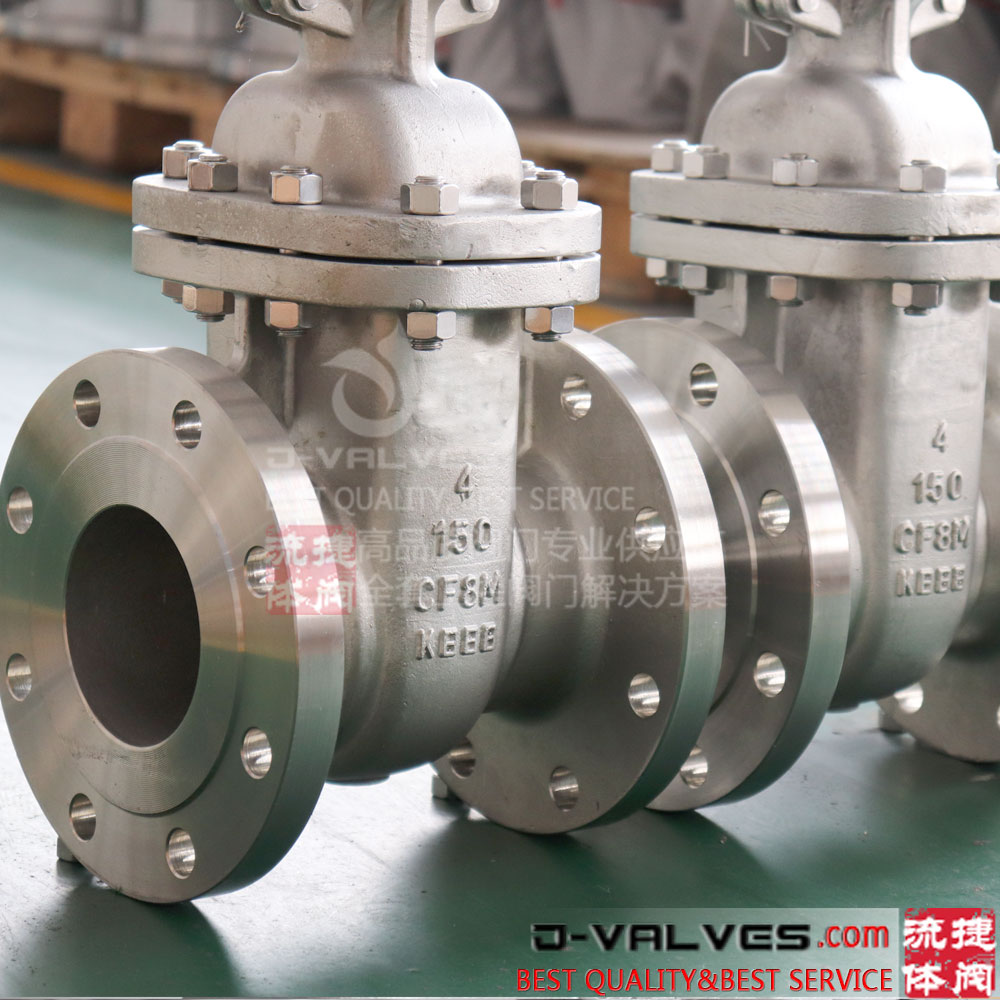
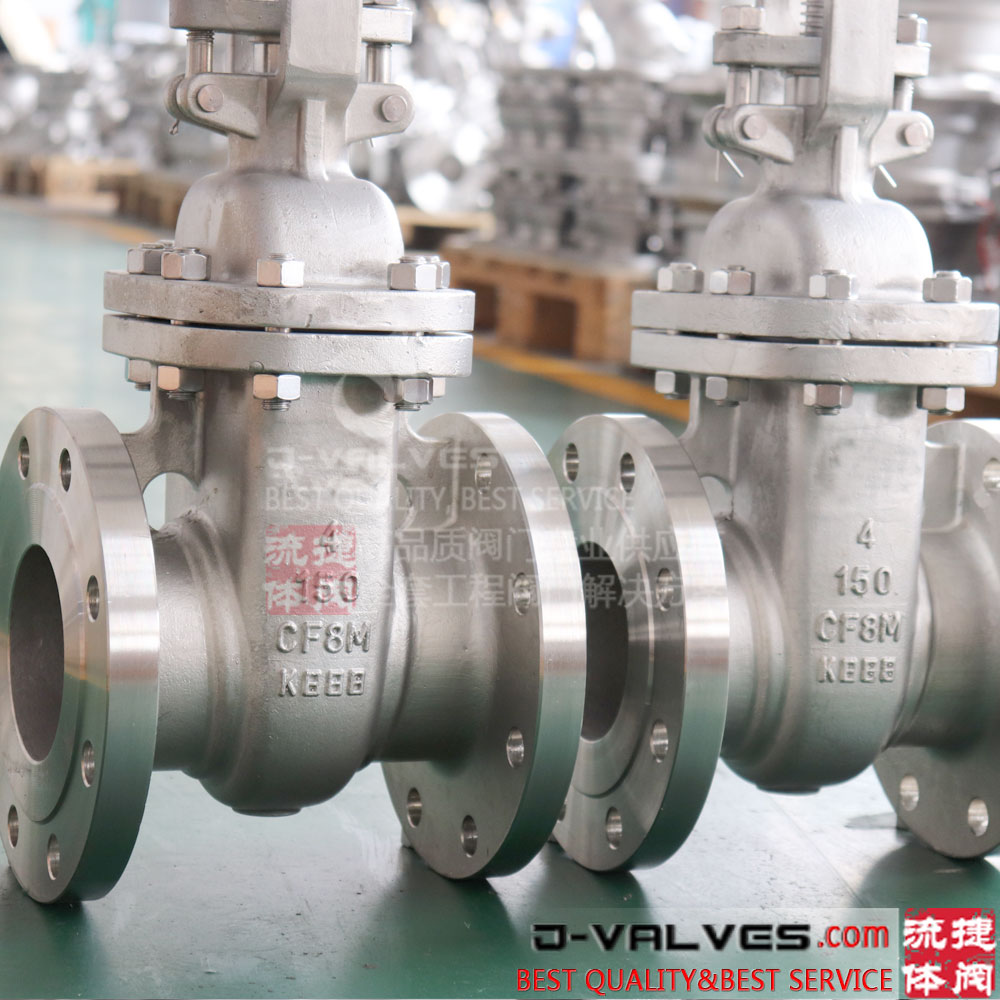
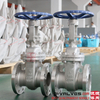
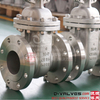
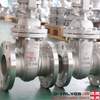
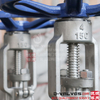
ASME B16.34 Compliant J-VALVES Flanged Cast Steel Gate Valve
Product Features
Strict Compliance with Standards: It fully complies with the ASME B16.34 standard, covering aspects such as pressure-temperature ratings, dimensions, tolerances, materials, non-destructive testing requirements, testing, and marking, ensuring the safety and reliability of the valve under various working conditions.
Selection of High-Quality Materials: The valve body is made of high-quality cast steel material, which has high strength, good toughness, and corrosion resistance, and can withstand high pressure and harsh working environments. Key components such as the valve seat and disc have undergone special treatments to enhance their wear resistance and sealing performance.
Reliable Sealing Design: It adopts advanced sealing technologies, such as the flexible wedge-shaped gate design, which can achieve bidirectional sealing with excellent sealing performance, effectively preventing media leakage and meeting the requirements for low fugitive emissions.
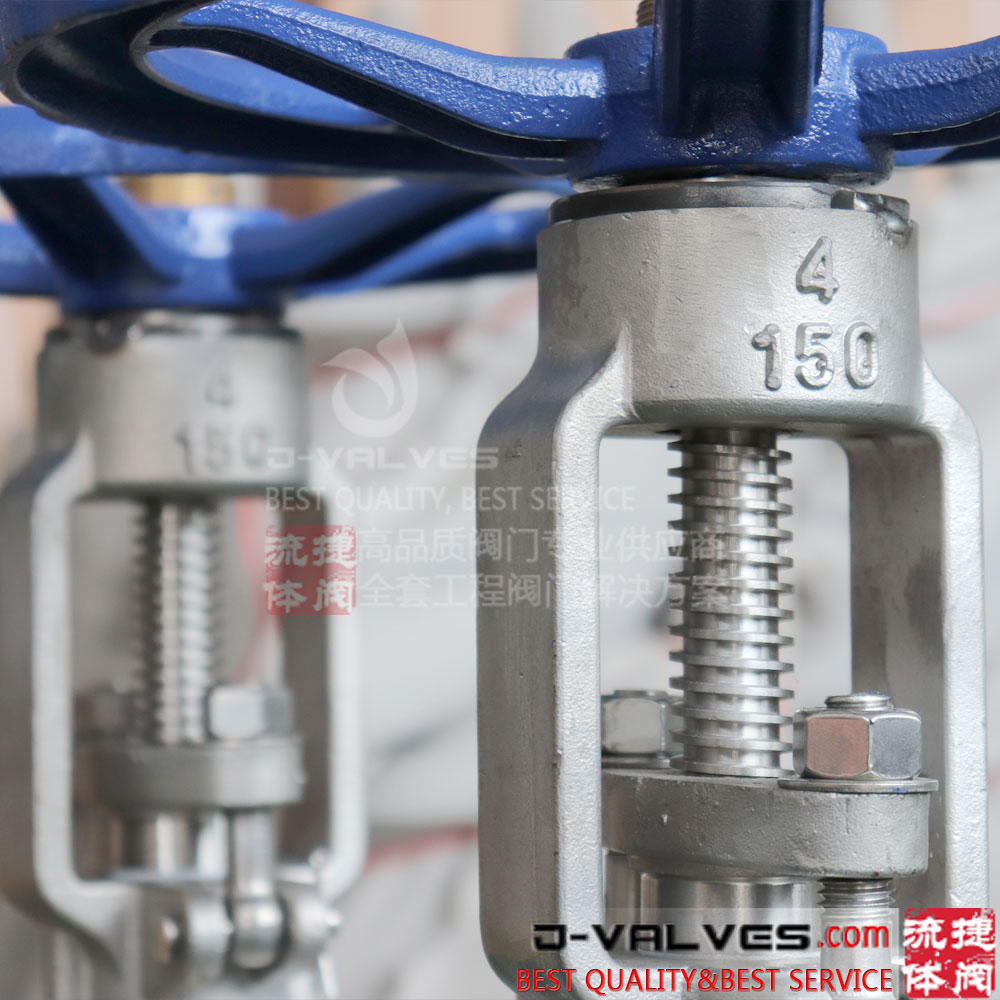
Diversified Operation Modes: It provides multiple operation modes, including manual, electric, and pneumatic ones, to meet the needs of different users. The handwheel or gear operating mechanism for manual operation is reasonably designed, making it easy and flexible to operate. Electric and pneumatic actuators can achieve remote control and automated operation.
Sturdy and Durable Structure: The overall structure is compact, with high machining precision of parts and close fit. The valve stem adopts precision-machined threads, and its surface has undergone special treatment, possessing good corrosion resistance and wear resistance, thus prolonging its service life.
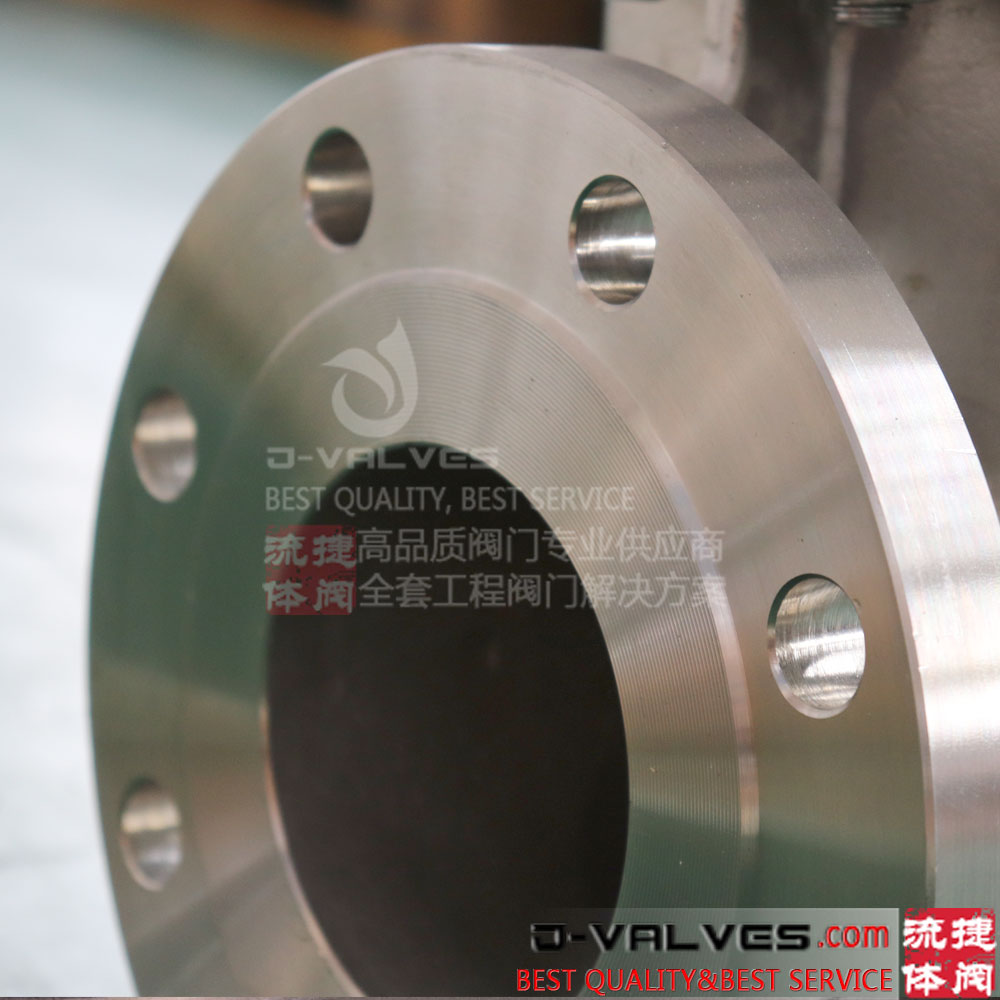
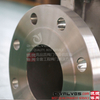
Good Compatibility: The flange dimensions conform to the ASME B16.5 standard, enabling seamless connection with standard pipeline systems, facilitating quick and easy installation and reducing installation time and cost.
Technical Parameters
Nominal Diameter: 1/2"~48" (DN15~DN1200)
Pressure Rating: 150LB~2500LB (PN20~PN420)
Applicable Temperature Range: -29°C~425°C. The specific temperature range depends on the selected materials and working conditions.
Applicable Media: Applicable to a variety of fluid media, including water, steam, oil products, natural gas, and corrosive media.
Application Areas
Petroleum and Natural Gas Industry: Used in places such as oil and gas fields, transmission pipelines, and refineries to control the flow of oil and gas and ensure the safety and stability of oil and gas transportation.
Chemical Industry: In the chemical production process, it is used to control the transportation of various chemical media, prevent media leakage, and ensure the safety and high efficiency of the production process.
Electric Power Industry: Applied to the water and steam systems in power plants to control the flow of water and steam and meet the operation requirements of power generation equipment.
Other Industrial Fields: Such as the steel, paper making, and pharmaceutical industries, it is used in various process pipeline systems to achieve fluid control and regulation.
Competitive Advantage:
On Samples Buyer bear the air fee, but this fee will be reduced from order directly
On After Sales Free replacement if there is any quality problem
On Delivery Never delay delivery time
On Materials Ensure material pure
Ensure material pure