|


| Quantity: | |
|---|---|
2“-48”
J-VALVES
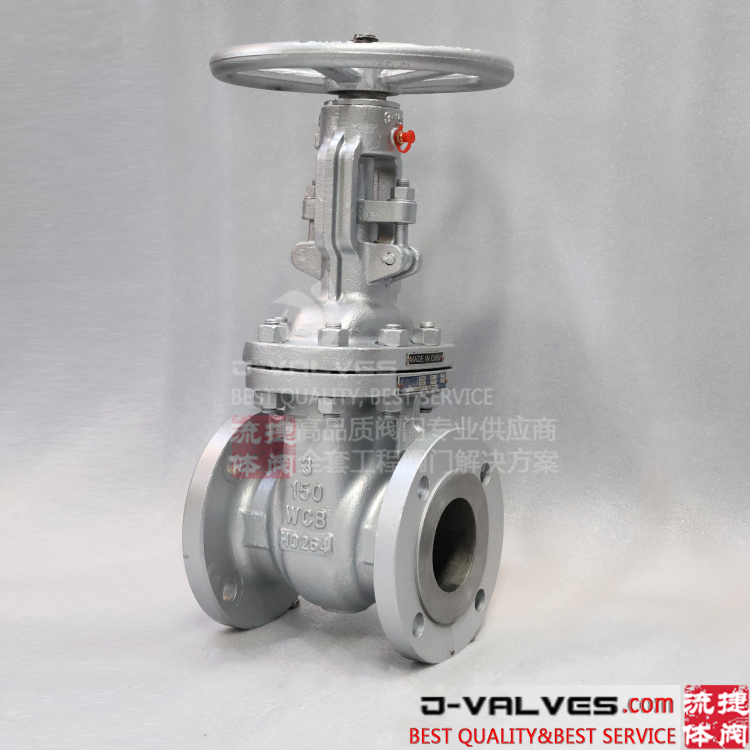
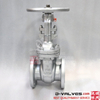
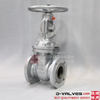
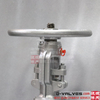
Oil and Gas 3" 150LB Flange Gate Valve
Product Features
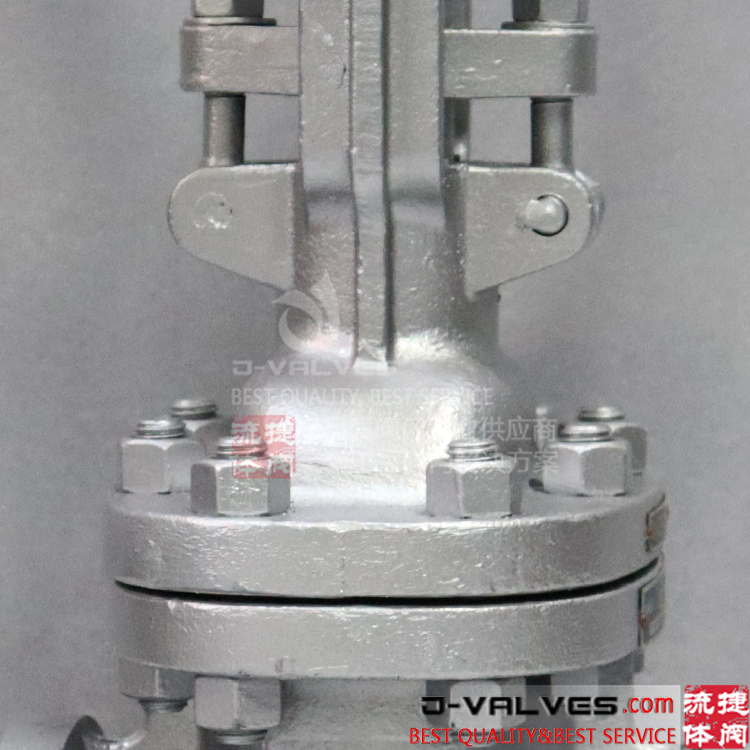
Excellent Sealing Performance: It adopts advanced sealing technologies, such as the flexible wedge sealing structure, which can maintain a good sealing effect under high pressure and in harsh environments, effectively prevent fluid leakage and ensure the safe operation of the system.
High Strength and Durability: The valve body is usually made of high-quality materials like carbon steel or stainless steel, possessing high strength and good corrosion resistance. It can withstand relatively high pressures and temperatures and adapt to the complex working conditions in the oil and gas industries.
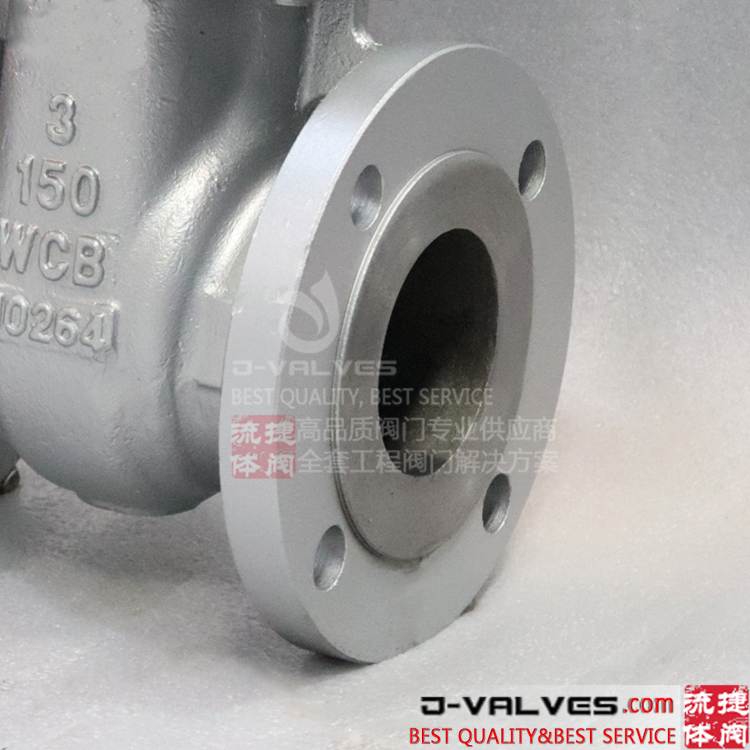
Full Bore Design: It provides a full bore flow passage, reducing fluid resistance and improving the transmission efficiency of the pipeline system. Meanwhile, it is convenient for pipeline cleaning and maintenance.
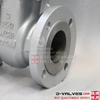
Multiple Connection Methods: It is equipped with flange connection ends that comply with the ASME B16.5 standard, enabling it to be conveniently connected to the pipeline system and ensuring the firmness and tightness of the connection.
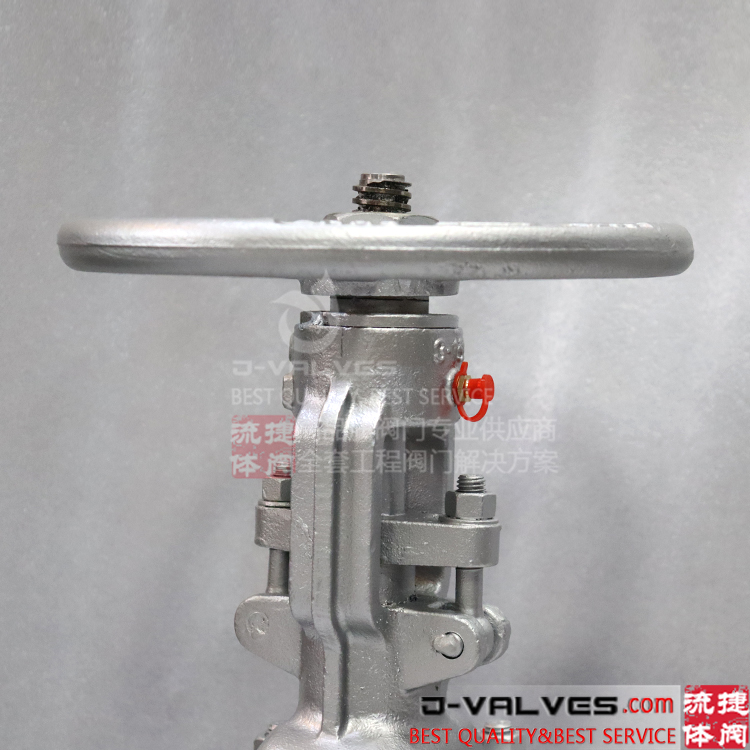
Easy to Operate: It adopts a manual operation mode and is equipped with a handwheel. The operation is simple and flexible, allowing the valve to be easily opened and closed. Meanwhile, some models can also be equipped with a locking device according to requirements to prevent misoperation.
Compliance with Industry Standards: It is strictly designed and manufactured in accordance with international and industry standards such as API 600 and ASME B16.34, ensuring that the product quality and performance meet the commonly used international requirements and have good interchangeability and compatibility.
Technical Specifications
Nominal Size: 1/2" - 48" (DN15 - DN1200)
Pressure Rating: 150LB - 2500LB (PN20 - PN420)
Applicable Media: Various fluid media such as petroleum, natural gas, water, steam, etc.
Operating Temperature Range: -29℃ - 425℃
Valve Body Materials: Carbon steel (such as WCB), stainless steel (such as CF8, CF8M), etc.
Sealing Surface Materials: Usually stainless steel overlay welding or cemented carbide, etc., which have good wear resistance and corrosion resistance.
Operation Modes: Manual (handwheel operation), and can also be equipped with gear transmission or electric actuators according to requirements.
Application Scenarios
This valve is widely used in various pipeline systems in the oil and gas industries, such as the production equipment in oil and gas fields, oil and gas transmission pipelines, refineries, natural gas processing plants, etc. It can be used to control the flow of oil and gas, realize the opening and closing of pipelines and the regulation of flow, ensure the smooth progress of oil and gas production, transmission and processing, and at the same time guarantee the safety and reliability of the system.
Competitive Advantage:
On Samples Buyer bear the air fee, but this fee will be reduced from order directly
On After Sales Free replacement if there is any quality problem
On Delivery Never delay delivery time
On Materials Ensure material pure
Ensure material pure