| Size: | |
|---|---|
| Availability: | |
| Quantity: | |
Needle Valve
J-VALVES
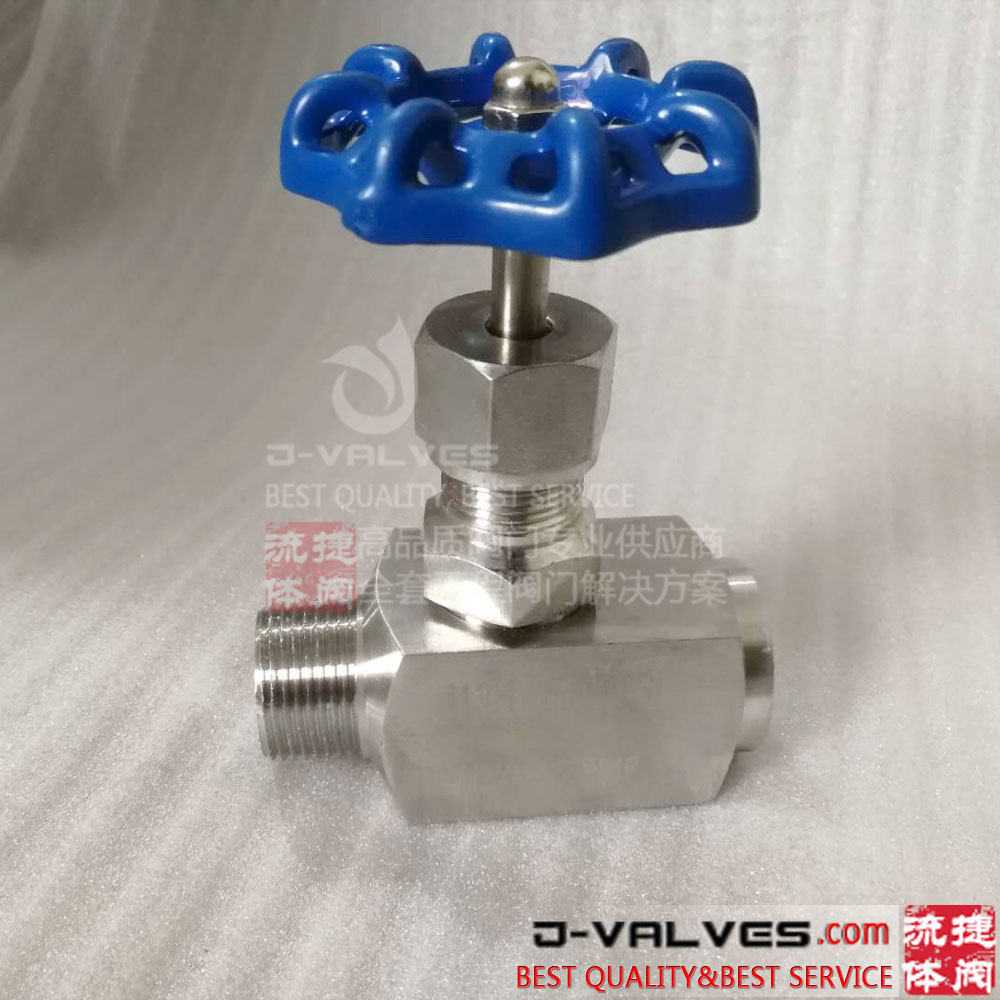
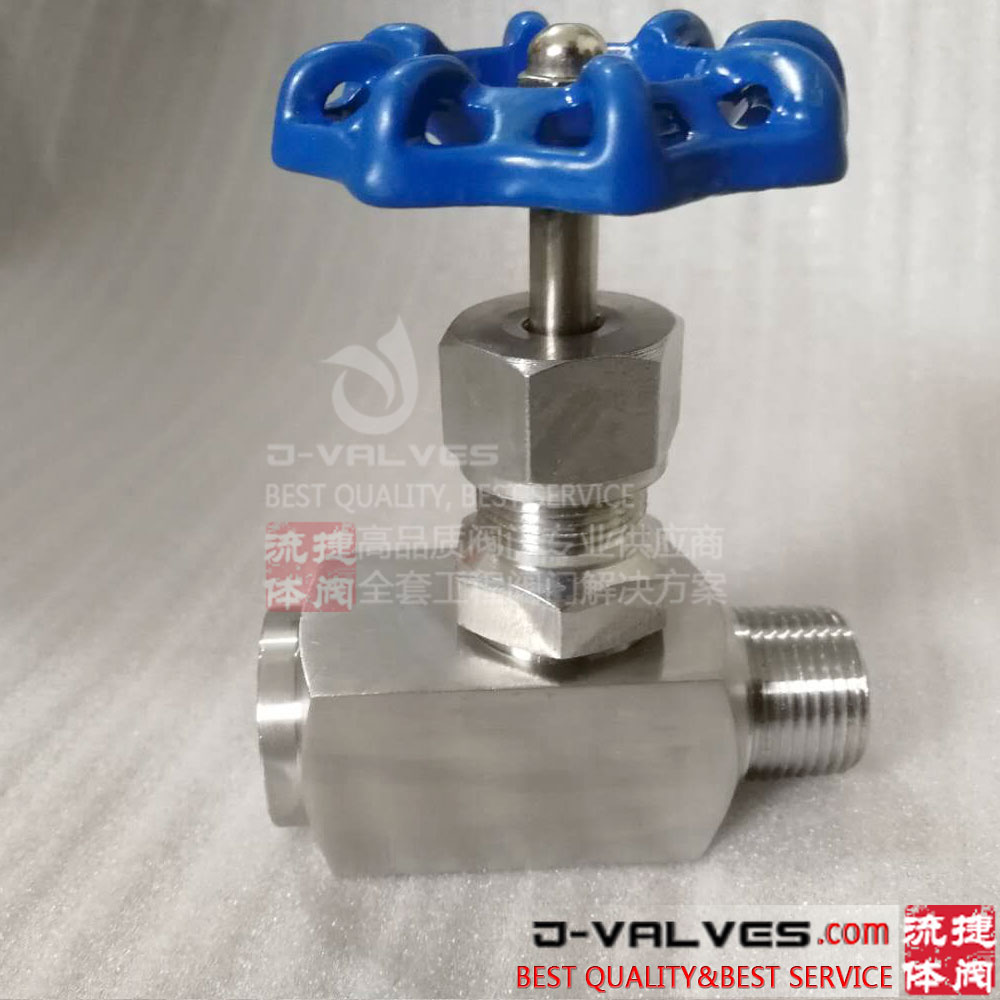
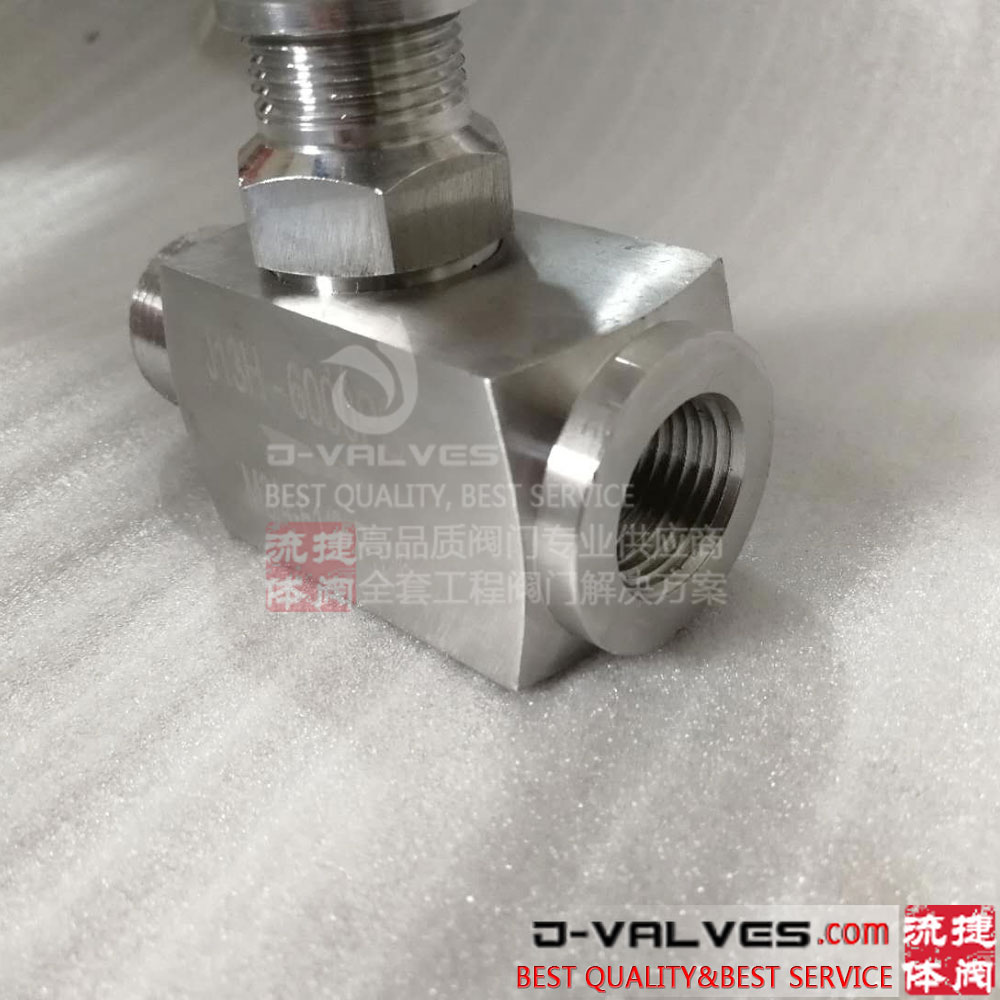
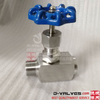
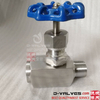
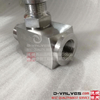
6000PSI Stainless Steel F316 BSPT Female Threaded Needle Valve
Product Features:
Material: The valve body is made of 316 stainless steel, which has excellent corrosion resistance and mechanical properties.
Threaded Connection: Adopting the BSPT threaded connection method to ensure compatibility with different pipeline systems.
Sealing Performance: High-performance sealing materials such as PTFE are adopted to ensure reliable sealing performance.
Operation Mode: Manually operated, equipped with a handwheel or handle.
Fire Safety Design: It complies with the API 607 fire safety standard and is suitable for high-risk environments.
Low Emission Design: It complies with the ISO 15848 low emission standard to reduce the impact on the environment.
Technical Parameters:
Nominal Size: 1/4"~2" (DN6~DN50)
Working Pressure: 10000WOG
Working Temperature: -65°F~450°F (-54°C~232°C)
Valve Body Material: 316 stainless steel
Sealing Material: PTFE, NBR, EPDM, Viton, etc.
Connection Method: BSPT threaded connection
Applicable Media: Water, oil, gas, steam, some corrosive liquids
Design Standards: API 609, ASME B16.34
Inspection and Testing: API 598, ISO 5208
Application Scenarios:
Chemical Industry: Used to control the transportation of corrosive chemical media to ensure the safety and stability of the production process.
Petroleum and Natural Gas Industry: Used in the processes of oil and gas exploration, transportation, and processing to control the flow of oil and gas and prevent leakage.
Water Treatment Industry: Used in water supply and drainage systems and sewage treatment plants to control the on-off of water flow.
Food and Beverage Industry: Used to control fluid media in the production process of food and beverages to ensure the quality and safety of products.
Pharmaceutical Industry: Used in the drug production process to control the transportation of liquid medicine to meet hygienic requirements.
Marine Industry: Especially suitable for seawater treatment and offshore platforms, with excellent corrosion resistance.
A knife gate valve has no seat pocket and no wedge: a beveled blade crosses the bore and cuts what is in it. Where it seals, where it cannot, what to order.
A Y type check valve puts the seat in a 45 degree branch and keeps the disc out of the bore. Orientation, cap access, failure points and what to specify.
Chlorine valve selection: the 150 ppm dry/wet divide, vapour pressure arithmetic, liquid-full cavity expansion to 390 bar, and proven relief paths.
Line pressure under the plug cancels axial thrust in a pressure balanced plug valve. What that buys in torque, what it costs, and how it fails silently.
Why oxygen valves burn: adiabatic compression arithmetic, EIGA velocity and exemption tables, PTFE limits and CGA G-4.1 cleaning rules.
What ASME and PED dual certification really requires: valve categories, modules, CE marking, material routes, the WCB Charpy trap and shipping documents.
Why a single disc wafer check valve lives inside the flange gap, what the line gasket does to its seat, which way to mount it, and what to order.
ASME B16.34 pressure-temperature ratings explained: material groups, the Class 150-2500 table, interpolation, Special Class limits and Class versus PN.
Why a T type strainer holds more screen than a Y type, where it belongs in the line, how the blowdown is used, and what to write on the enquiry.
Valve spare parts planning: failure data, interchangeable groups, Poisson stocking levels, kit contents, shelf life, lead times and repair vs replace.
Thermal growth eats the wedge guide clearance, the stem pushes the wedge into the seat, and packing tightens itself. What to check before blaming the valve.
Steam humidification guide: psychrometric load sizing, isothermal vs adiabatic, steam quality, control valve Kv selection, absorption distance limits.
Which parts of a gate, globe or check valve actually wear, what to keep on the shelf, and why a spare bought for the same size still will not fit.
Valve storage and preservation guide: ISO 2230 elastomer shelf life, nitrogen blanket storage, VCI protection, cycling schedules and RFQ clauses.
Same size, same class, different length. Where the face-to-face number comes from, what to measure before ordering, and what a forced fit does to the joint.Same size, same class, different length. Where the face-to-face number comes from, what to measure before ordering, and what a forced fit does to the joint.
What EN 10204 3.1 and 3.2 certificates prove for valve procurement: the stockist clause, PED category rules, PMA and heat number traceability checks.
A globe valve has a front and a back. Flow under the disc or over it decides where the pressure sits when shut, and which end of the stroke is hard.
Gear operator sizing from valve torque: breakaway vs running torque, MSS SP-91 handwheel force limits, MAST stem checks, ratio and turns arithmetic.
Stem up, sideways or down: what each does to the bonnet cavity and packing, plus correct orientation for swing checks, Y strainers and butterfly valves.
Class 125 is 13.8 bar and a ductile iron main can surge to 24. Why the body material decides whether a water valve cracks or bulges, with the arithmetic.