|


| Quantity: | |
|---|---|
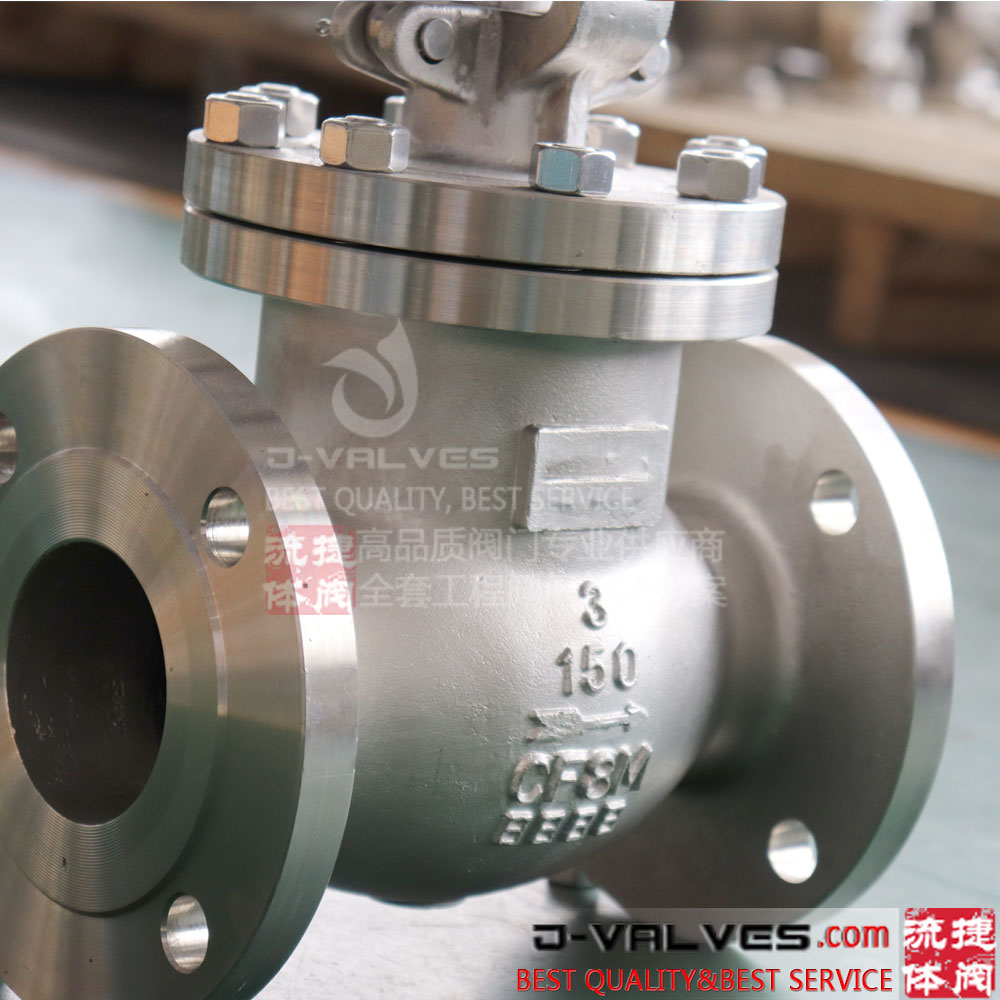
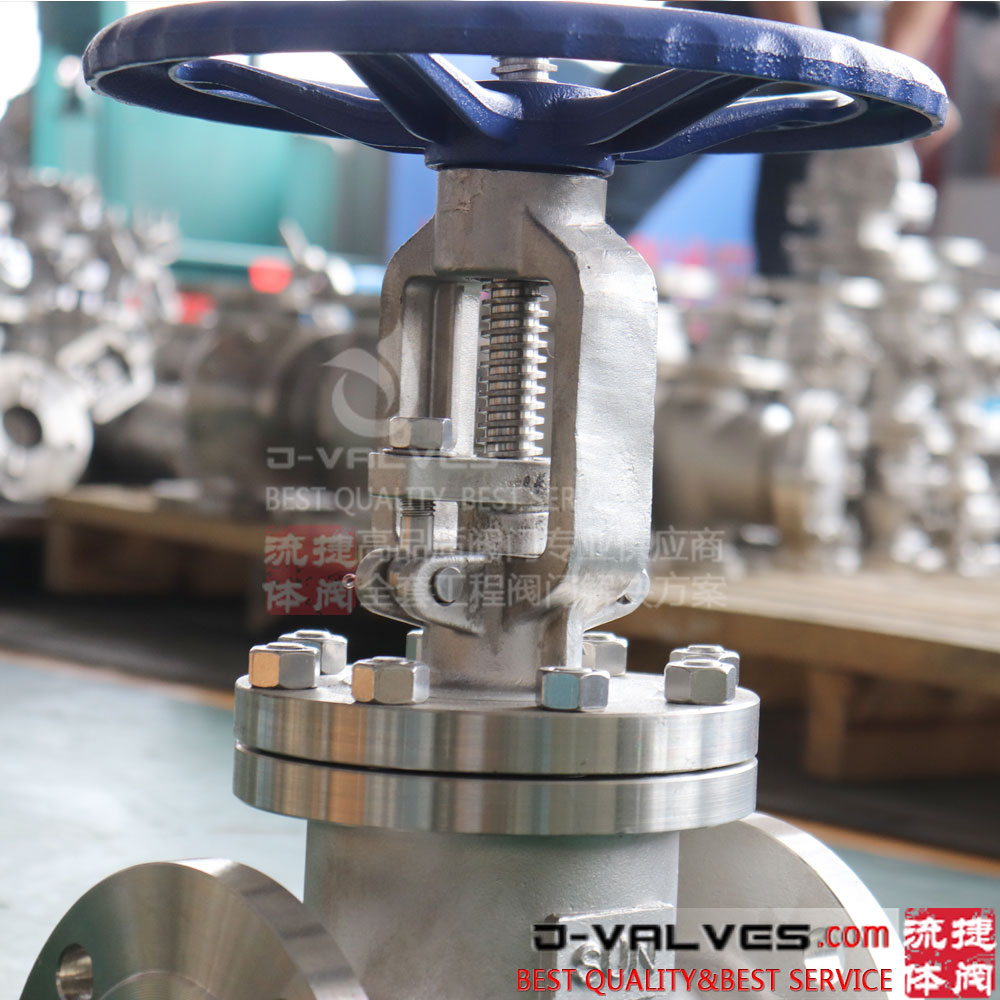
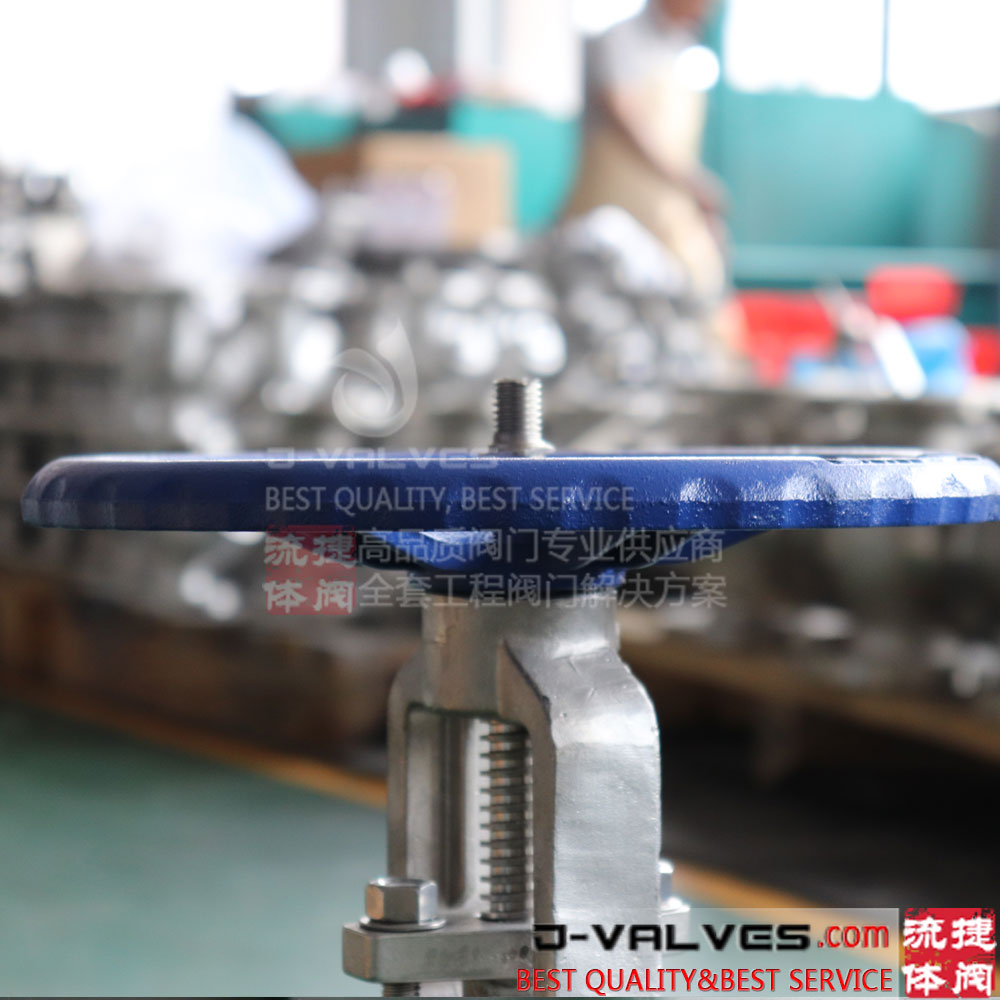
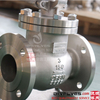
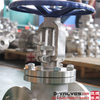
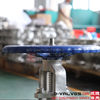
J-VALVES 3" 150LB Noncorrosive Cast Steel Globe Valve
Product Features
High-Quality Material: Made of non-corrosive cast steel material, it has good corrosion resistance and mechanical strength, and can withstand relatively high working pressures and temperatures.
Precise Control: The close fit between the valve disc and the valve seat ensures precise control of fluids, enabling excellent sealing performance and preventing leakage.
Easy Maintenance: The valve has a rational structural design, which is convenient for disassembly and maintenance, reducing maintenance costs and time.
Multiple Connection Methods: It offers various connection methods, such as flange connection and threaded connection, facilitating connection with different types of piping systems.
Wide Application: It is applicable to a variety of fluid media, including water, steam, oil, natural gas, etc., and is widely used in industries such as petrochemical, electric power, metallurgy, and construction.
Technical Specifications
Diameter: 1/2"~36" (DN15~DN900)
Pressure Rating: 150LB~2500LB (PN20~PN420)
Operating Temperature: -29℃~425℃
Applicable Media: Water, steam, oil, natural gas, and some corrosive liquids
Connection Methods: Flange connection, threaded connection, etc.
Design Standards: ANSI B16.34, BS 1873
Inspection and Testing: API 598, BS 6755, EN10204 3.1B
Application Areas
Petrochemical Industry: It is used to control the flow of media such as oil and natural gas, ensuring the safety and stability of the production process.
Electric Power Industry: In the cooling water systems and boiler feedwater systems of power plants, it is used to control the flow of water and steam.
Metallurgical Industry: In various fluid pipelines during the metallurgical process, it is used to control the flow of media and prevent impurities from entering key equipment.
Construction Field: In the building water supply and drainage systems, it is used to control the flow of water and ensure the normal operation of the water supply system.
Food Processing: In the piping systems of the food processing industry, it is used to control the flow of liquid media and ensure the hygiene and safety of the food processing process.
Maintenance and Care
Regular Inspection: Regularly conduct visual inspections on the valve to check for leakage, corrosion, damage, etc., and promptly identify and handle potential problems.
Cleaning and Lubrication: Regularly clean and lubricate the valve to maintain its flexibility and sealing performance.
Replacement of Parts: If parts such as the valve disc and valve seat are found to be worn or damaged, they should be replaced in a timely manner to ensure the sealing performance of the valve.
Competitive Advantage:
On Samples Buyer bear the air fee, but this fee will be reduced from order directly
On After Sales Free replacement if there is any quality problem
On Delivery Never delay delivery time
On Materials Ensure material pure
Ensure material pure