|


| Quantity: | |
|---|---|
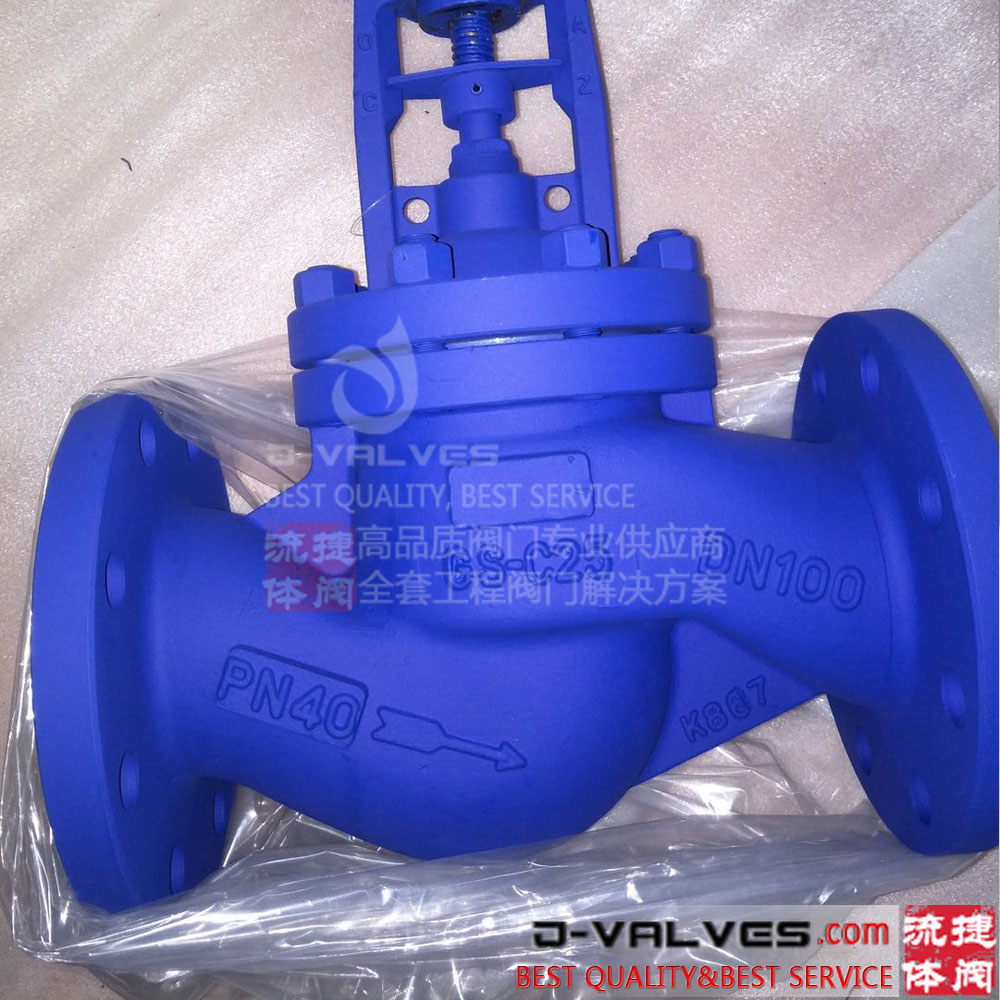
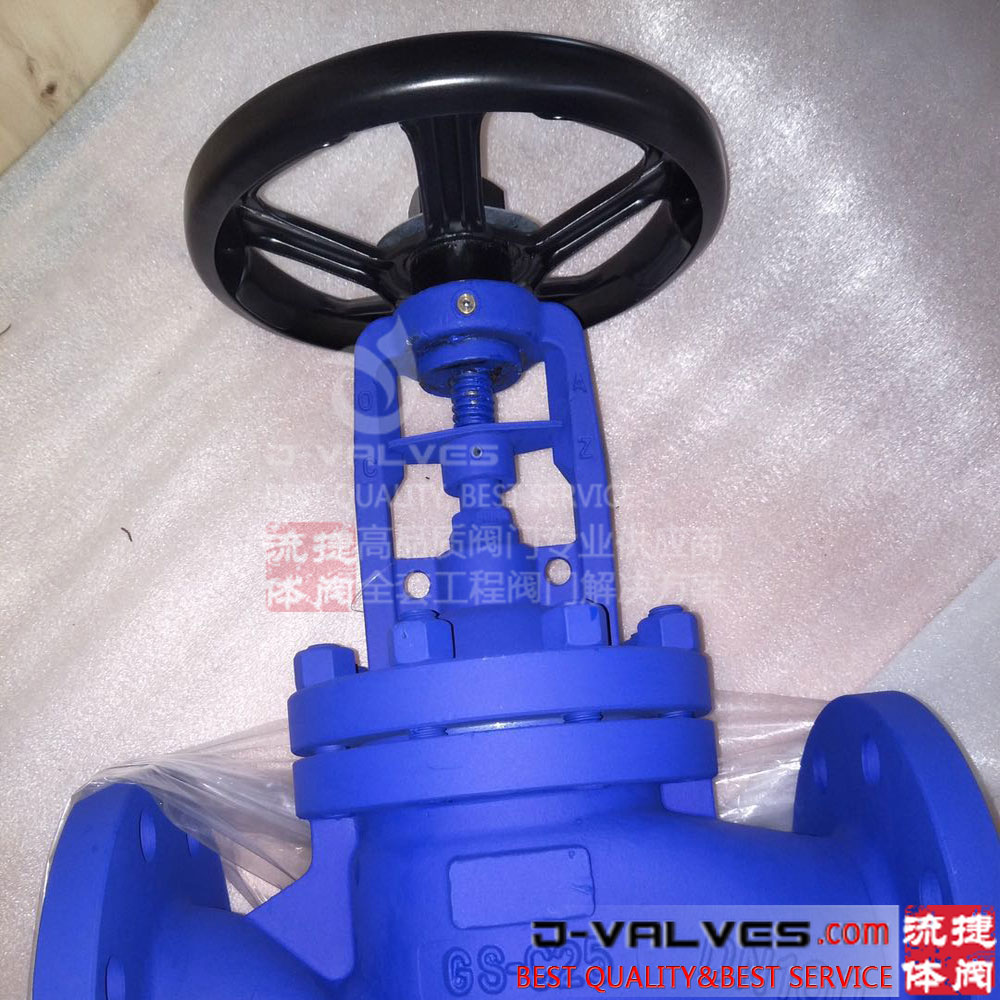
DIN GG25 Bellow Globe Valve
Valve alias:DIN GG25 Bellow Globe Valve
DIN GG25 Bellow Globe Valve Quick Detail:
1. Size: DN15~DN400(1/2”-16”)
2. Pressure Rating: PN16~PN160/150LB-2500LB/10K~60K)
3. Material: A351CF8M/CF8/CF3/CF3M,A216WCB,A105,A352LCB/LCC,F304,F316,F51/F53,F11,F2;C95800/C3
4. Suitable Temperature: -29ºC~425ºC( Different temperature choose different materials).
5. Suitable Medium: Water, Steam, Oil and natural gas etc.
DIN GG25 Bellow Globe Valve Description:
1. Design Standard: EN 13709, DIN3357
2. Face to Face: DIN3202 EN558-1
3. Flange ends: DIN2543-2545 EN1902-1
4. Test&Inspection: DIN3230 EN12266
5. Flexible graphite packing for dependable sealing performance.
6. Stem nut uses aluminum bronze material. Large valve is provided with thrust bearing to make it opened easily & flexibly.
7. Two piece design of packing gland to avoid stem clogging caused by squishing.
8. With sealing design, it is more safe and convenient to replace packing( Seat seal material could be decided by customer's request or according to valve's medium & temp. condition).
9. Operation: Hand wheel, Gear,Pneumatic actuator & Electric Actuator.
DIN GG25 Bellow Globe Valve Applications:
Bellow globe valve is used industrial and Oil/Gas piping applications requiring the higher flow capacity and lower pressure drop of full port internal flow-ways, and those applications where ease of repairability is desired.
DIN GG25 Bellow Globe Valve Competitive Advantage:
1. On Samples Buyer bear the air fee, but this fee will be reduced from order directly
2. On After Sales Free replacement if there is any quality problem
3. On Delivery Never delay delivery time
4. On Materials Ensure material pure
5. Ensure material pure
DIN GG25 Bellow Globe Valve Product Application:
Products are widely used in water treatment chemical, natural gas and oil and other industries. Technology to reach the international leading level, provide process design, machinery manufacturing, installation, technical training. Professional high quality valve supplier, complete engineering valve solution.
FAQ
Q1: We are interested in your products?
A1: In order to recommend you suitable products, please provide detail information, like size, material, pressure, model.
Q2: Is the requirement for MOQ?
A2: For some small size, like 2''-48''(DN50-DN1200), it request the MOQ is 50pcs for each size. Generally speaking, it depends on your order.
Q3: How about the warranty?
A3: The warranty time is 18 months after leaving our factory. We can repair or change because of the quality problems.
Q4: Payment
A4: Mainly T/T, Western Union & PayPal are applicable for us. Payment Term: 30% prepayment, 70% balance paid before shipping or against copy of BL.
Q5: Can you manufacture different standards valves according to customer requirements?
A5: Yes. We can manufacture API,DIN,GOST,JIS standards for different pressure & temperature & size according to different needs.
If you want to know more about our products, please contact freely. We will patiently answer your all questions.