|


| Quantity: | |
|---|---|
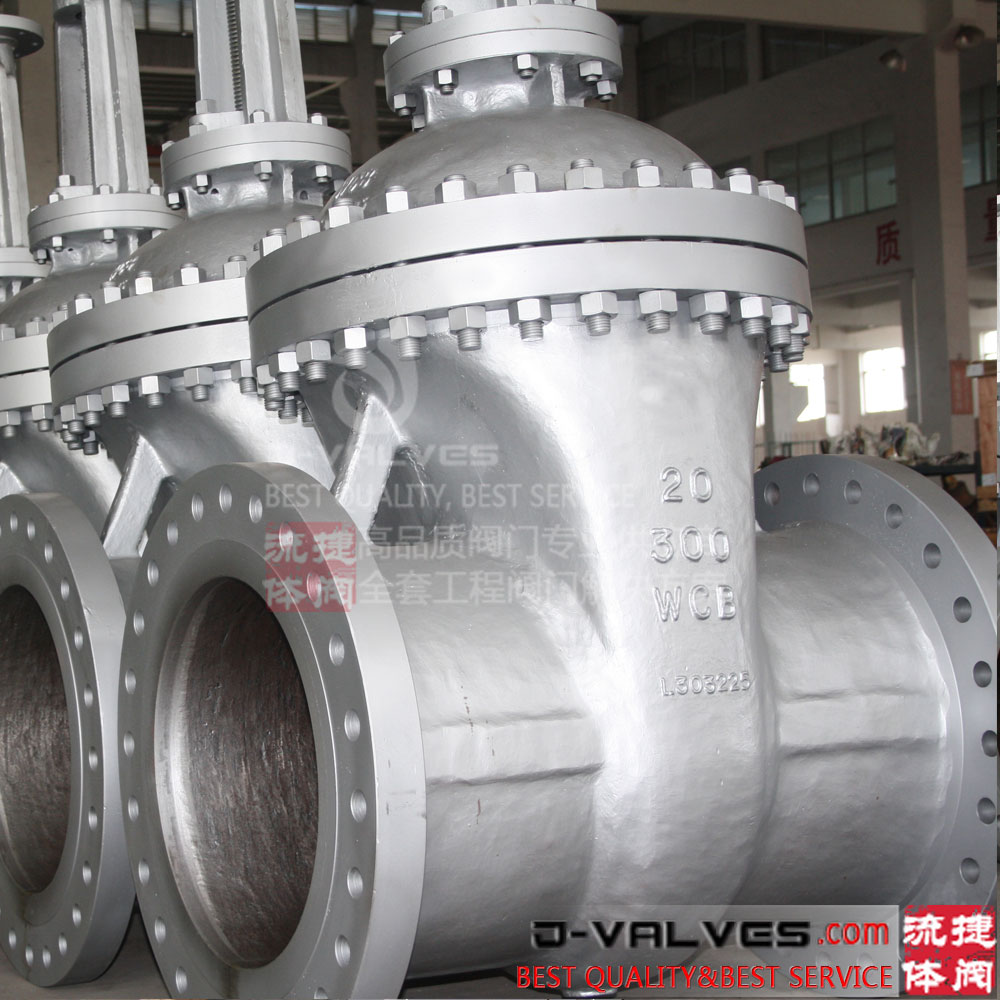
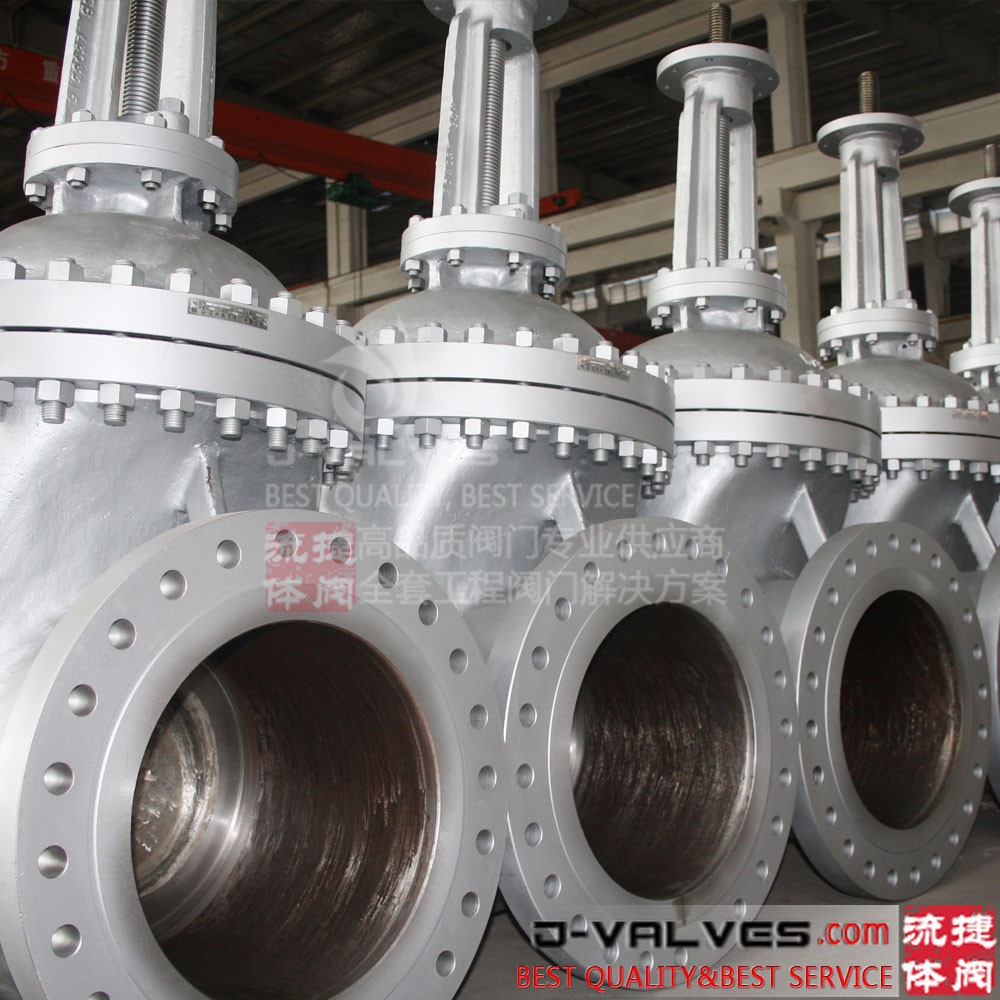
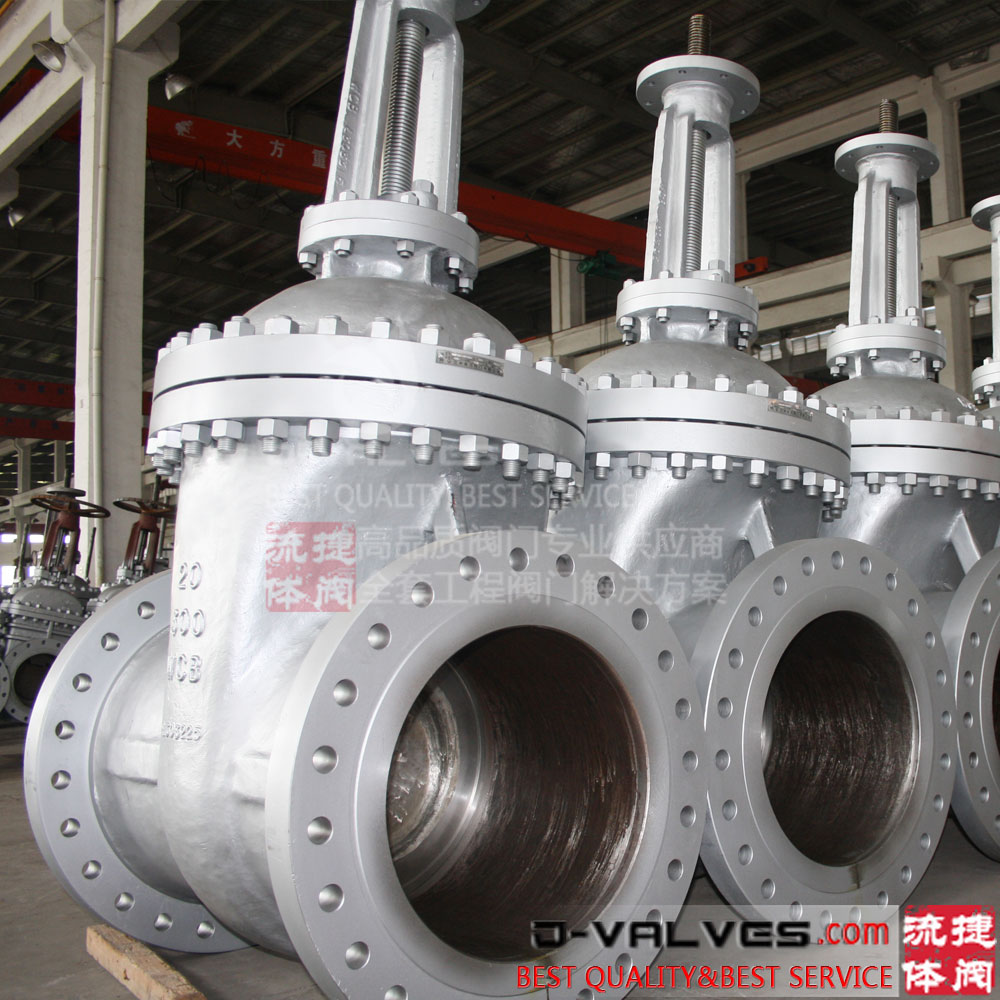
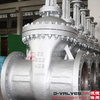
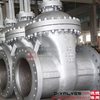
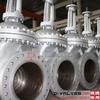
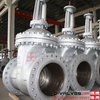
BS 5163 Cast Steel Handwheel Flanged Gate Valve
Design and Manufacturing Standards
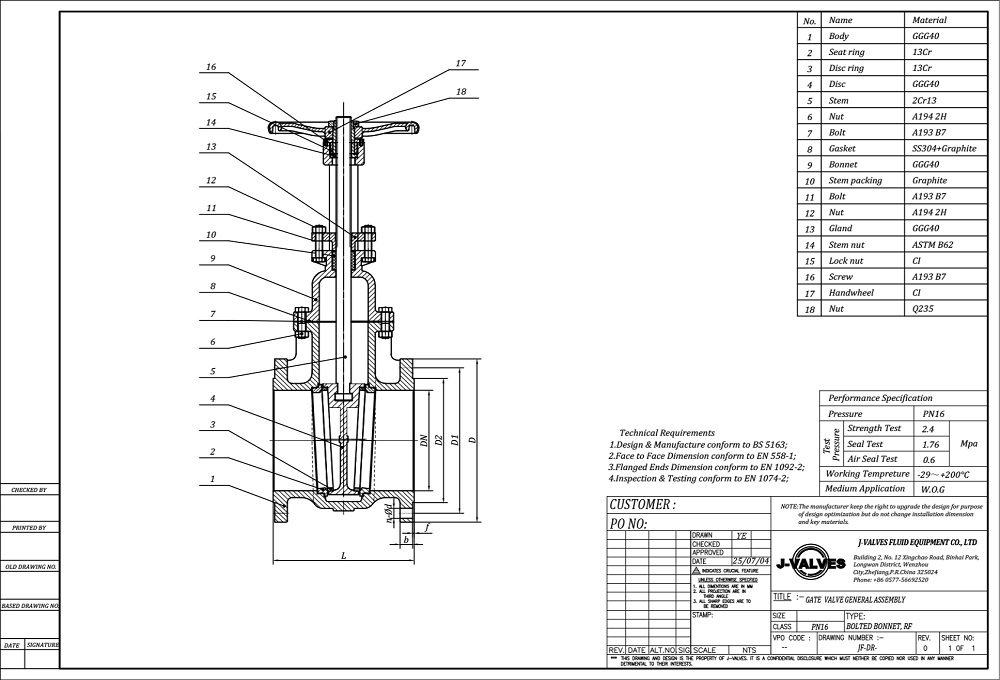
This valve is strictly designed and manufactured in accordance with the BS 5163 standard, ensuring that it reaches the industry-leading level in terms of structural strength, sealing performance and operational reliability. Meanwhile, its testing and inspection also comply with relevant standard requirements, such as EN 12266 or ISO 5208, etc., providing a strong guarantee for the product quality.
Main Features
Material Advantage: The valve body and bonnet made of cast steel possess excellent strength and toughness, can withstand relatively high working pressures and temperatures, and also have a certain tolerance to corrosive media.
Sealing Performance: Adopting advanced sealing structures, such as metal seals or elastic seals, etc., it ensures that the valve can achieve a good sealing effect when in the closed state, effectively preventing fluid leakage and ensuring the safe operation of the system.
Easy to Operate: Equipped with a handwheel operating mechanism, the operation is simple and intuitive, without the need for an additional power source, and the opening and closing of the valve can be easily achieved. The design of the handwheel conforms to ergonomic principles, with a moderate operating torque for the convenience of users.
Reliable Connection: The flange connection method complies with standards such as BS 4504, EN 1092-2 or ISO 7005-2, etc. The connection with the pipeline system is firm and reliable, with good sealing performance, and can effectively prevent the leakage risk caused by connection problems.
Wide Application Range: Applicable to a variety of fluid media, including water, oil, gas, steam, etc., it is widely used in municipal water supply, industrial pipelines, petrochemical, agricultural irrigation and other fields, meeting the fluid control requirements of different industries.
Specification Parameters
Nominal Diameter: 1/2"~48" (DN15~DN1200)
Nominal Pressure: 150LB~2500LB (PN20~PN420)
Working Temperature: -29°C~425°C
Valve Body Material: SS304/316/304L/316L/WCB/WCC/LCB/LCC/WC6/WC9/C5/C12, etc.
Sealing Material: Common sealing materials include brass, bronze, stainless steel, NBR, EPDM, etc.
Application Areas
Municipal Water Supply System: Used for valve control in urban water supply networks to ensure the stability and safety of water supply.
Industrial Pipeline System: In industries such as petroleum, chemical, natural gas, etc., it is used to control the flow of various fluid media and ensure the normal operation of industrial production.
Agricultural Irrigation System: In farmland irrigation, it is used to regulate water flow to achieve precise irrigation and improve the utilization efficiency of water resources.
Steam System: In steam transmission and distribution systems, it is used to control the flow and pressure of steam to meet the steam requirements of different equipment.
Competitive Advantage:
On Samples Buyer bear the air fee, but this fee will be reduced from order directly
On After Sales Free replacement if there is any quality problem
On Delivery Never delay delivery time
On Materials Ensure material pure
Ensure material pure