|


| Quantity: | |
|---|---|
Q41F
J-VALVES
Main Features
Full Bore Design: Provides higher flow capacity and lower pressure loss, suitable for working conditions requiring large flow rates.
Floating Ball Structure: The ball can automatically adjust its sealing position under the action of medium pressure, ensuring reliable sealing performance and maintaining zero leakage even under low pressure or vacuum conditions.
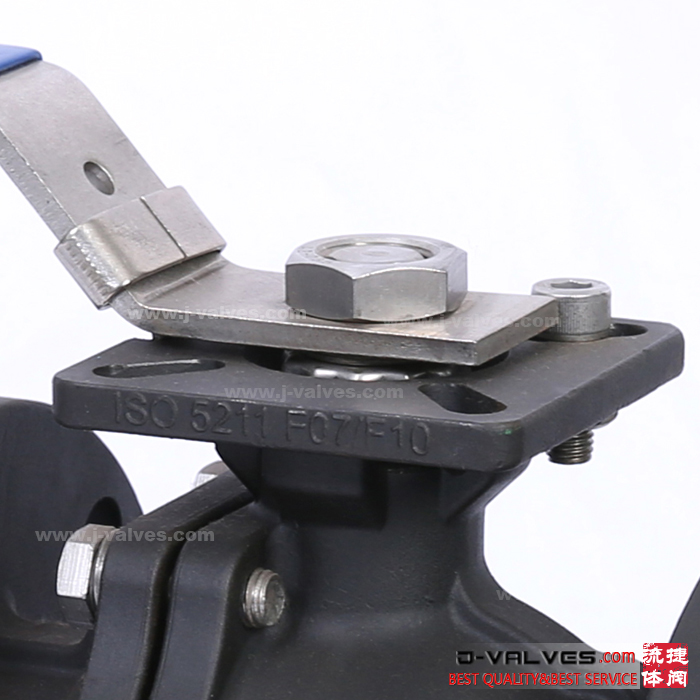
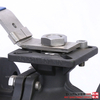
ISO 5211 High Mounting Platform: Complies with international standards, facilitating direct installation of electric, pneumatic, or manual actuators without the need for additional adapters.
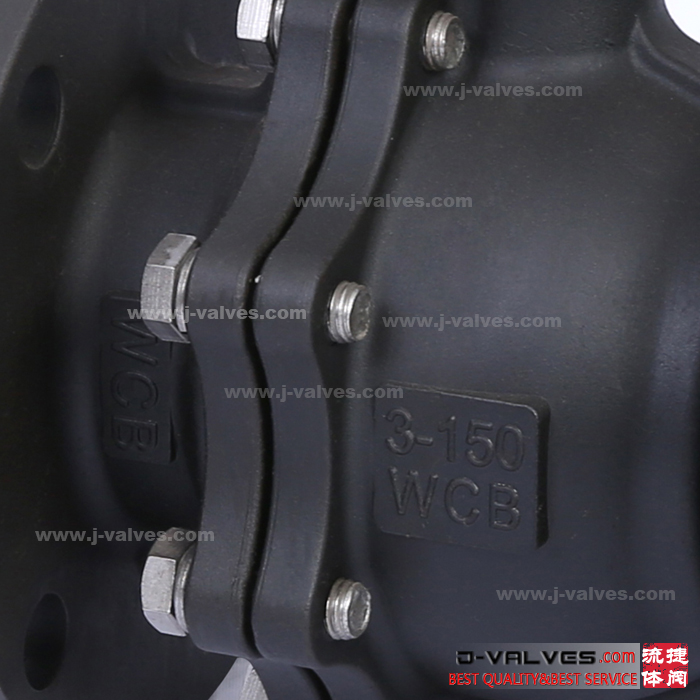
Cast Steel Material: The valve body is made of high-quality cast steel, featuring excellent mechanical properties and corrosion resistance, suitable for various harsh working conditions.
Fire-Safe Design: Complies with API 607 fire safety standards, ensuring sealing performance is maintained even in extreme situations such as fires.
Anti-Static Design: Prevents static accumulation caused by medium flow, enhancing safety.
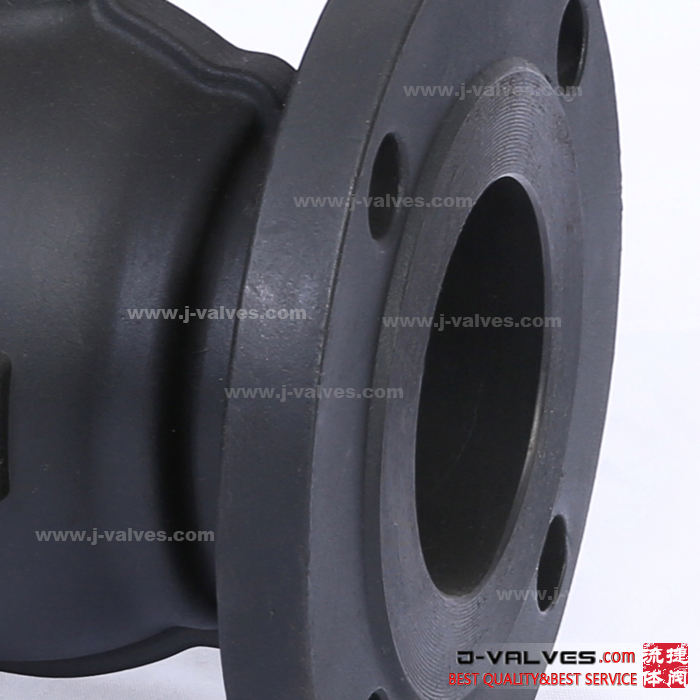
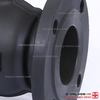
Multiple Connection Methods: Flange connections comply with international standards such as ASME B16.5, enabling easy integration with pipeline systems.
Flexible Operation: Can be equipped with manual wheels, pneumatic, or electric actuators to meet different operational needs.
Technical Specifications
Nominal Diameter: DN15 to DN300 (1/2 inch to 12 inches)
Pressure Rating: PN16 to PN100 / 150LB to 600LB
Applicable Media: Water, steam, petroleum, natural gas, acidic media, etc.
Applicable Temperature: -196℃ to 450℃ (varies depending on material and seal type)
Valve Body Material: A351 CF8M/CF8/CF3/CF3M, A216 WCB, A352 LCB/LCC, etc.
Sealing Material: PTFE, RPTFE, PPL, etc. (selectable based on medium and temperature)
Design and Manufacturing Standards: API 608, ASME B16.34
Testing Standards: API 598, API 607
Other Standards: NACE MR0175 (resistance to sulfide stress cracking)
Application Fields
This valve is widely used in the following fields:
Petrochemical Industry: Crude oil transportation, refineries, chemical reaction systems
Natural Gas: Natural gas transmission pipelines, gas storage stations
Water Treatment: Seawater desalination, municipal water supply systems
Power Industry: Cooling water and steam systems in power plants
Food and Beverage: Food processing, beverage production
Pharmaceutical Industry: Pharmaceutical production, cleanroom fluid control
Advantages
High Reliability: Undergoes strict quality inspection and factory testing to ensure the performance and reliability of each valve.
Easy Maintenance: Two-piece structure design facilitates disassembly and maintenance; there is no need to disassemble the entire pipeline system when replacing seals or repairing internal components.
Strong Compatibility: ISO 5211 standard mounting platform is compatible with various actuators, allowing flexible configuration according to user needs.