 |


| Quantity: | |
|---|---|
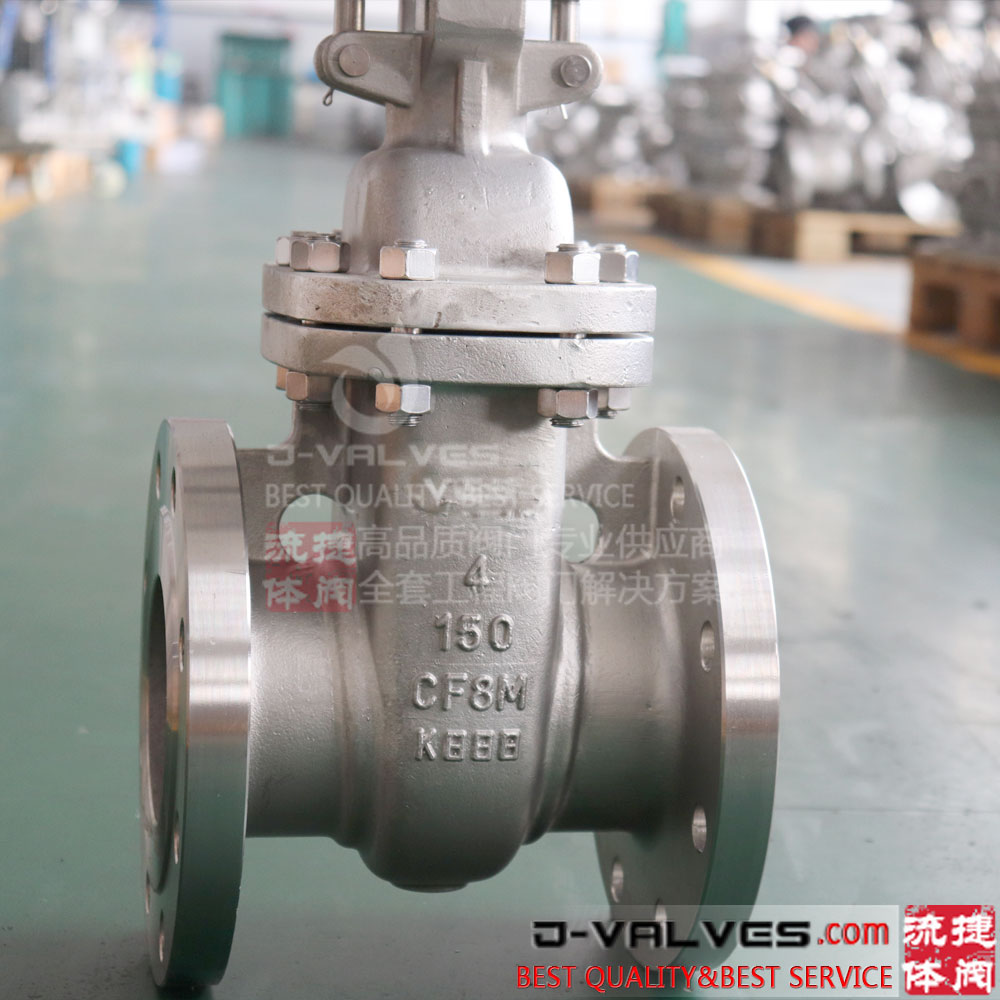
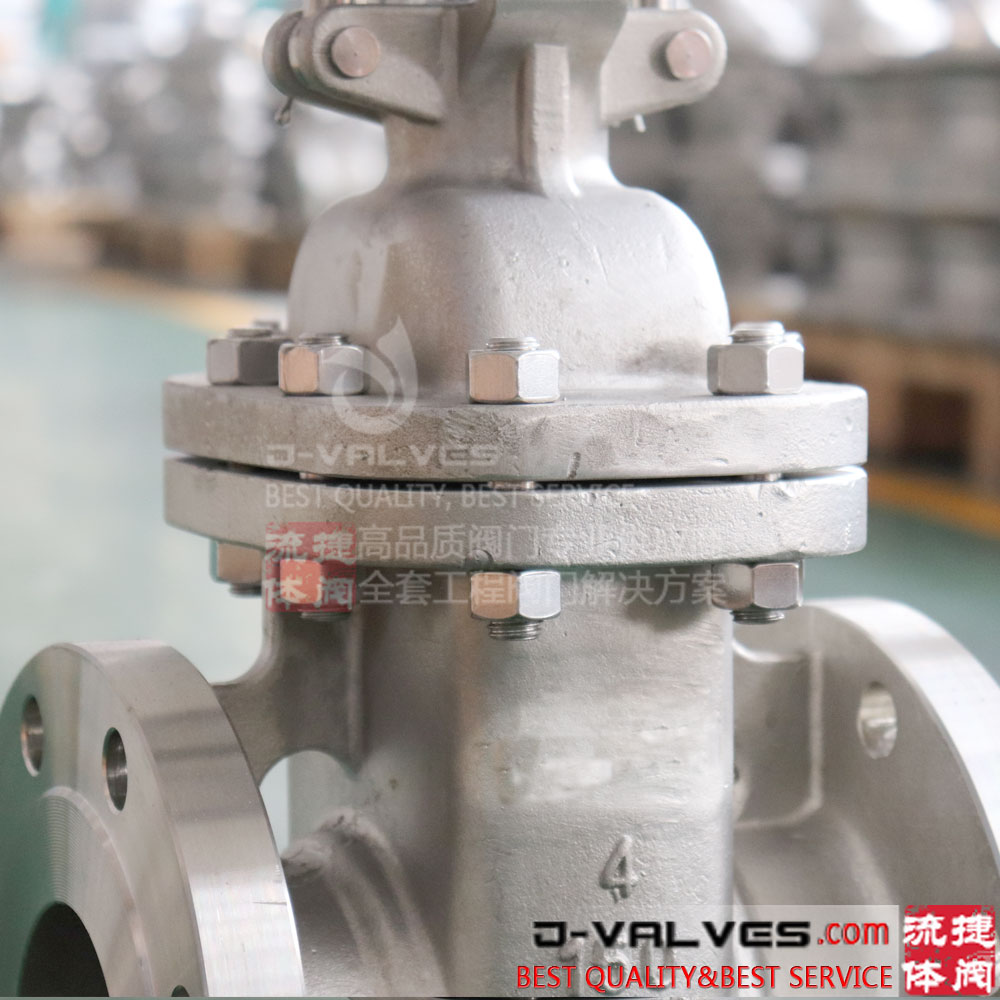
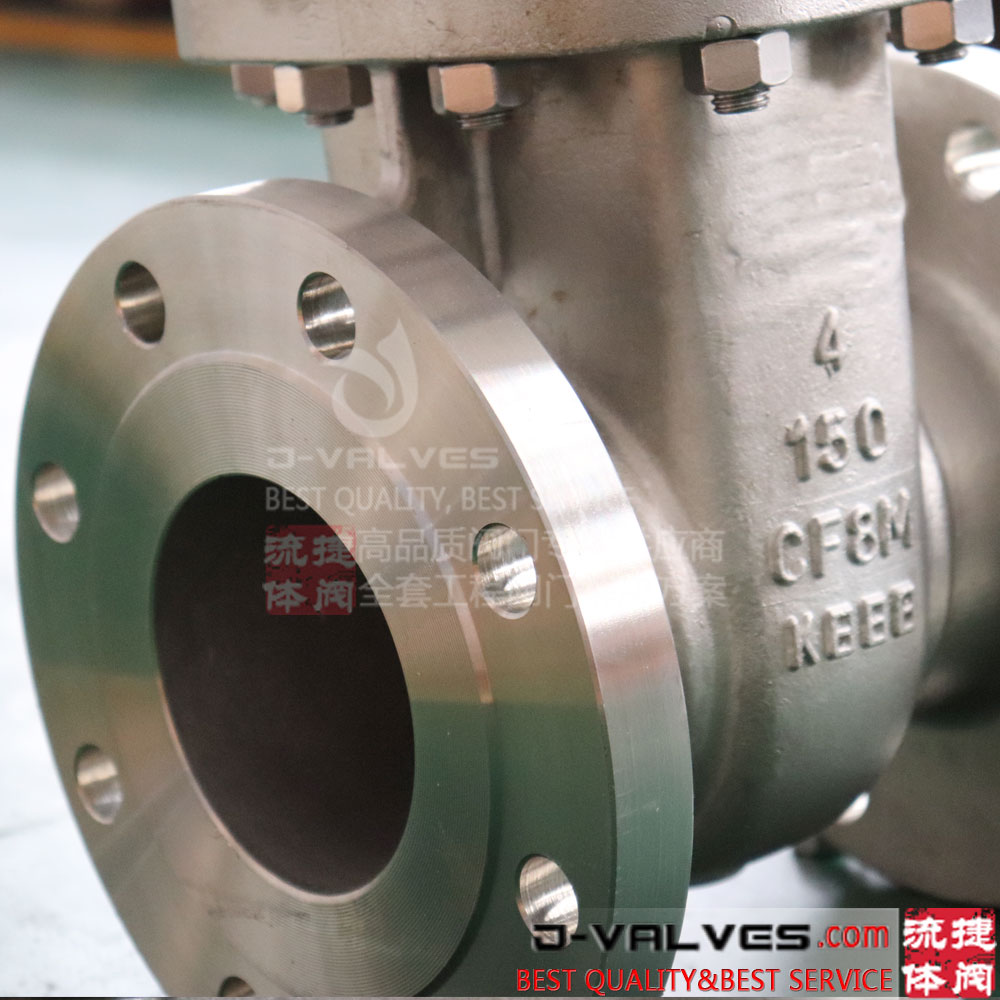
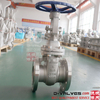
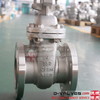
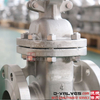
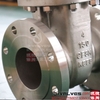
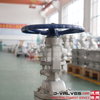
API600 Stainless Steel Flanged Gate Valve
Product Features
Excellent Corrosion Resistance
Made of stainless steel, it can resist the erosion of various corrosive media. Whether it's acidic, alkaline or other special chemical media, it can maintain good performance, greatly extending the service life of the valve, reducing maintenance costs and ensuring stable operation under harsh working conditions.
Reliable Sealing Performance
Its unique gate design and high-quality sealing materials, such as graphite, can achieve a tight sealing effect, effectively preventing media leakage, ensuring the safety and efficiency of industrial production, and reducing the risks of resource waste and environmental pollution caused by leakage.
Flexible Connection Methods
The flange connection enables the valve to be conveniently and quickly connected to the pipeline system. The installation process is simple and fast, and the connection is firm and reliable. It can withstand relatively high working pressures, ensuring the sealing and stability of the entire pipeline system. Meanwhile, it also facilitates subsequent maintenance and replacement.
Precise Flow Control
Through precise control of the opening and closing of the gate, precise adjustment of fluid flow can be achieved, meeting the precise flow requirements of different production processes. It helps to improve the controllability of the production process and the stability of product quality, providing strong support for the refined management of industrial production.
Easy to Operate and Maintain
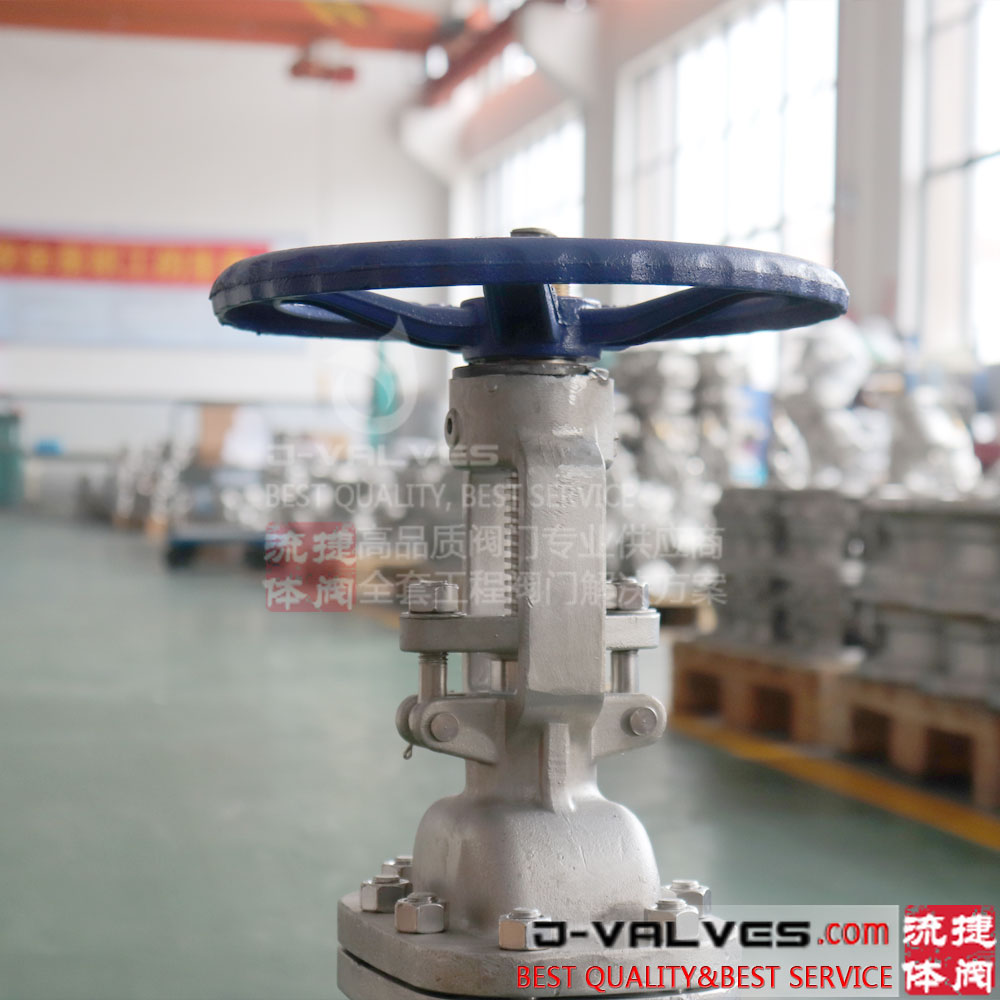
Equipped with sturdy and durable operating mechanisms such as handwheels or gearboxes, it is easy to operate and can maintain good working conditions even under frequent operation. Meanwhile, its structural design is reasonable, facilitating daily maintenance and inspection work, reducing maintenance difficulties and workload, minimizing equipment downtime and improving production efficiency.
Product Specifications
Nominal Size: 1/2"~48" (DN15~DN1200)
Nominal Pressure: 150LB~2500LB (PN20~PN420)
Working Temperature: -196℃~425℃ (varying according to specific materials and working conditions)
Applicable Media: Water, natural gas, petroleum, acids, alkalis and other various liquids, gases and steam
Connection Method: Flange connection (conforming to standards such as ANSI B16.5, DIN)
Operation Mode: Manual, electric, pneumatic, etc.
Application Areas
Petroleum and Natural Gas Industry: Used in processes such as oil exploration, transportation, refining as well as natural gas production, storage and transportation, controlling the flow of oil, gas and other media to ensure the stability and safety of energy supply.
Chemical Industry: In the chemical production process, it precisely controls the transportation of various chemical raw materials, intermediates and products, as well as the feeding and discharging of reaction kettles, preventing safety accidents and environmental pollution caused by the leakage of chemical media.
Water Treatment Industry: Applied in systems such as urban water supply, sewage treatment and seawater desalination, controlling the on-off and flow regulation of water flow to ensure the effective utilization of water resources and the discharge of water meeting the quality standards.
Pharmaceutical Industry: Meeting the requirements for hygienic and pollution-free fluid control in the pharmaceutical production process, used in processes such as raw material transportation, reaction control and cleaning in drug production to ensure drug quality and the cleanliness of the production environment.
Quality Standards and Certifications
The API600 stainless steel flanged gate valve is strictly designed, manufactured and inspected in accordance with international standards such as API600, ANSI B16.34 and API 6D to ensure that the product quality and performance meet the highest industry standards. Meanwhile, the product has also passed strict testing standards such as API 598 and undergone multiple tests including shell strength tests, sealing tests and operation performance tests, ensuring that each product can exhibit excellent performance and reliability in practical applications.
Competitive Advantage:
On Samples Buyer bear the air fee, but this fee will be reduced from order directly
On After Sales Free replacement if there is any quality problem
On Delivery Never delay delivery time
On Materials Ensure material pure
Ensure material pure





