|


| Size: | |
|---|---|
| Quantity: | |
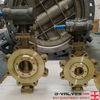
Butterfly Valve
J-VALVES
Structural Features
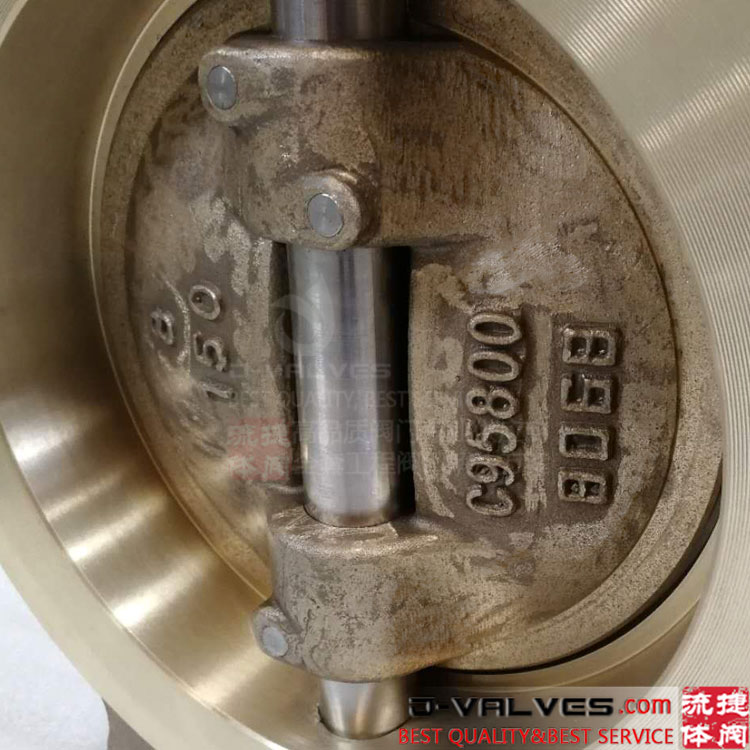
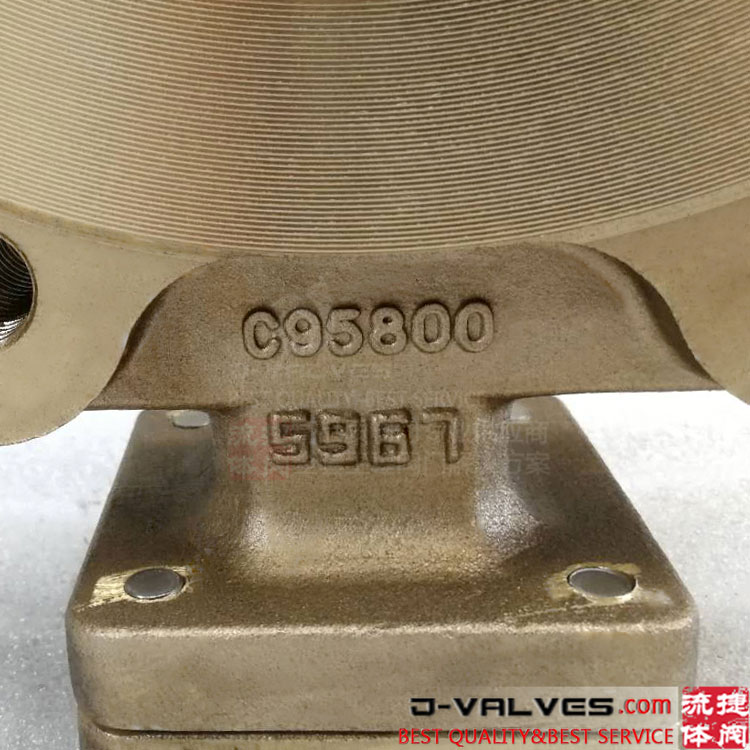
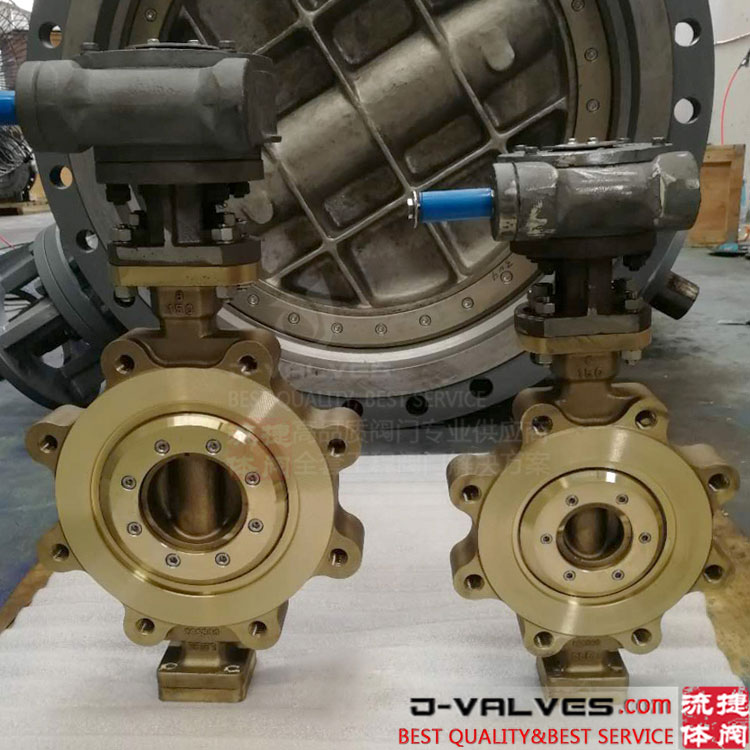
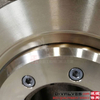
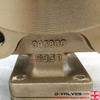
Nickel-Aluminum Bronze Material: Both the valve body and disc are made of ASTM B148 C95800 nickel-aluminum bronze, which offers excellent corrosion resistance and high strength, and is especially suitable for seawater and chemical media.
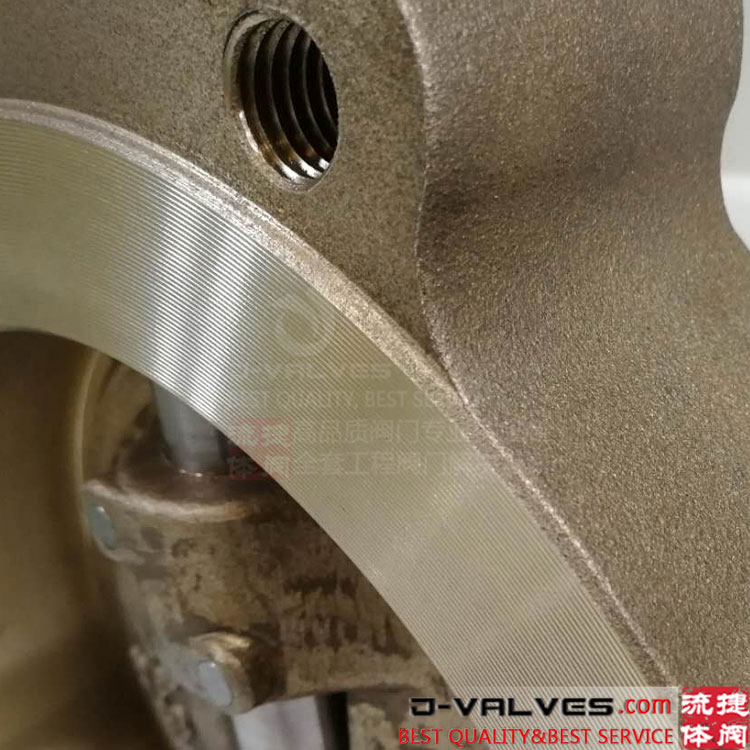
Lug-Type Connection: Adopts a lug-type connection, ensuring convenient installation and reliable sealing, and facilitating maintenance and replacement.
Double Eccentric Design: The unique double eccentric design reduces friction between the disc and the valve seat, improving sealing performance and service life.
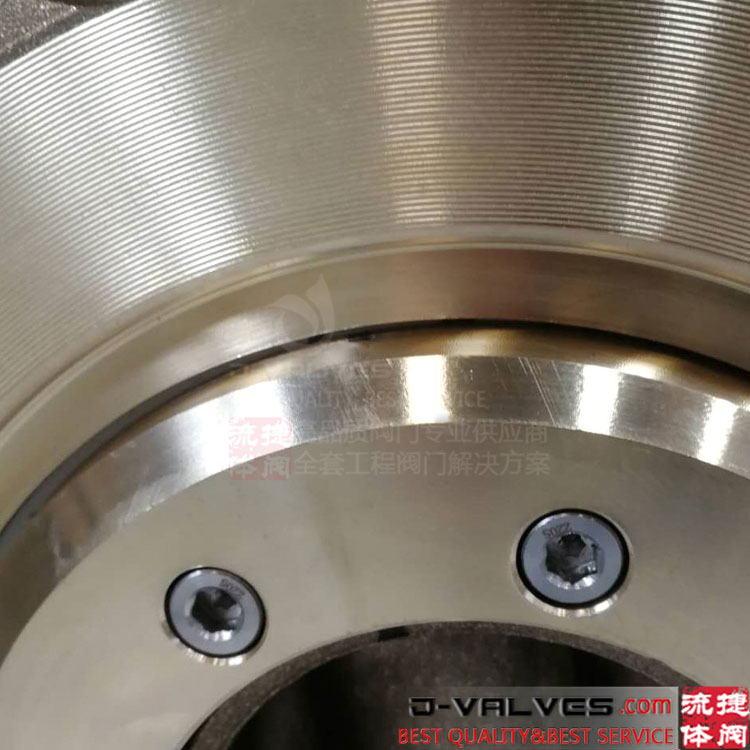
Replaceable Seal: The sealing material is replaceable, with reliable sealing performance to achieve zero leakage, ensuring the long-term effective operation of the valve.
Valve Stem Sealing: The valve stem adopts a multi-layer sealing design, which is not easy to deform, avoiding the common problem of valve stem leakage and ensuring operational safety.
Automatic Centering Function: The disc is equipped with an automatic centering function, realizing a slight interference fit between the disc and the valve seat to further enhance sealing performance.
Multiple Operation Modes: Offers multiple operation modes including handwheel, gear, pneumatic actuator, and electric actuator, meeting the needs of different working conditions.
Technical Parameters
Nominal Diameter: 1/2″ to 64″ (DN15 to DN1600)
Pressure Class: 150LB to 900LB (PN20 to PN160)
Temperature Range:
Soft Seal: -29℃ to +260℃
Metal Seal: -51℃ to +550℃
Low-Temperature Metal Seal: -196℃ to +120℃
Fire-Safe Seal: -51℃ to +550℃
Materials:
Valve Body: ASTM B148 C95800 Nickel-Aluminum Bronze
Valve Disc: ASTM B148 C95800 Nickel-Aluminum Bronze
Valve Stem: MONEL K500
Sealing Material: PTFE, NBR, EPDM, FPM, etc.
Connection Method: Lug-Type Connection
Design Standards: API 609, ASME B16.34
Flange Standards: ASME B16.5, ASME B16.47
Operation Mode: Handwheel, Gear, Pneumatic Actuator, Electric Actuator
Certifications: API 607
Application Fields
Oil and Natural Gas Industry: Used in oil and gas field exploration, gathering, transportation, and processing systems to control the flow direction of fluids and ensure the smooth progress of the production process.
Chemical Industry: Suitable for the transportation and reaction systems of various chemical media, preventing medium leakage and ensuring production safety.
Water Treatment Industry: Applied in the water supply and drainage systems of water plants and sewage treatment plants to control the on-off and flow direction of water, improving water treatment efficiency and water quality safety.
Food and Beverage Industry: Meets food-grade requirements and is used in pipeline systems during food and beverage production to ensure hygiene and safety.
HVAC: Used in cooling water systems, hot water systems, etc., to control the on-off and flow direction of water, ensuring the efficient operation of the system.
General Industrial Applications: Suitable for the control and isolation of media such as water, oil, and gas, ensuring the safe and efficient operation of the system.
Advantages and Value
High Reliability: The nickel-aluminum bronze material and double eccentric design ensure the valve operates stably under high-pressure and high-temperature environments, reducing maintenance frequency and downtime.
High Safety: The multi-layer valve stem sealing design and reliable lug-type connection effectively prevent medium leakage, safeguarding the safety of personnel and equipment.
Easy Operation: Multiple operation modes are available, providing a stable and labor-saving operation experience, suitable for manual or automatic operation, and improving work efficiency.
Convenient Installation and Maintenance: The lug-type connection simplifies the installation process and also facilitates maintenance and overhaul, reducing maintenance costs.
Wide Applicability: Multiple material options and a broad range of pressure and temperature allow it to adapt to various complex working conditions and medium characteristics.
Competitive Advantage:
On Samples Buyer bear the air fee, but this fee will be reduced from order directly
On After Sales Free replacement if there is any quality problem
On Delivery Never delay delivery time
On Materials Ensure material pure
Ensure material pure