|


| Quantity: | |
|---|---|
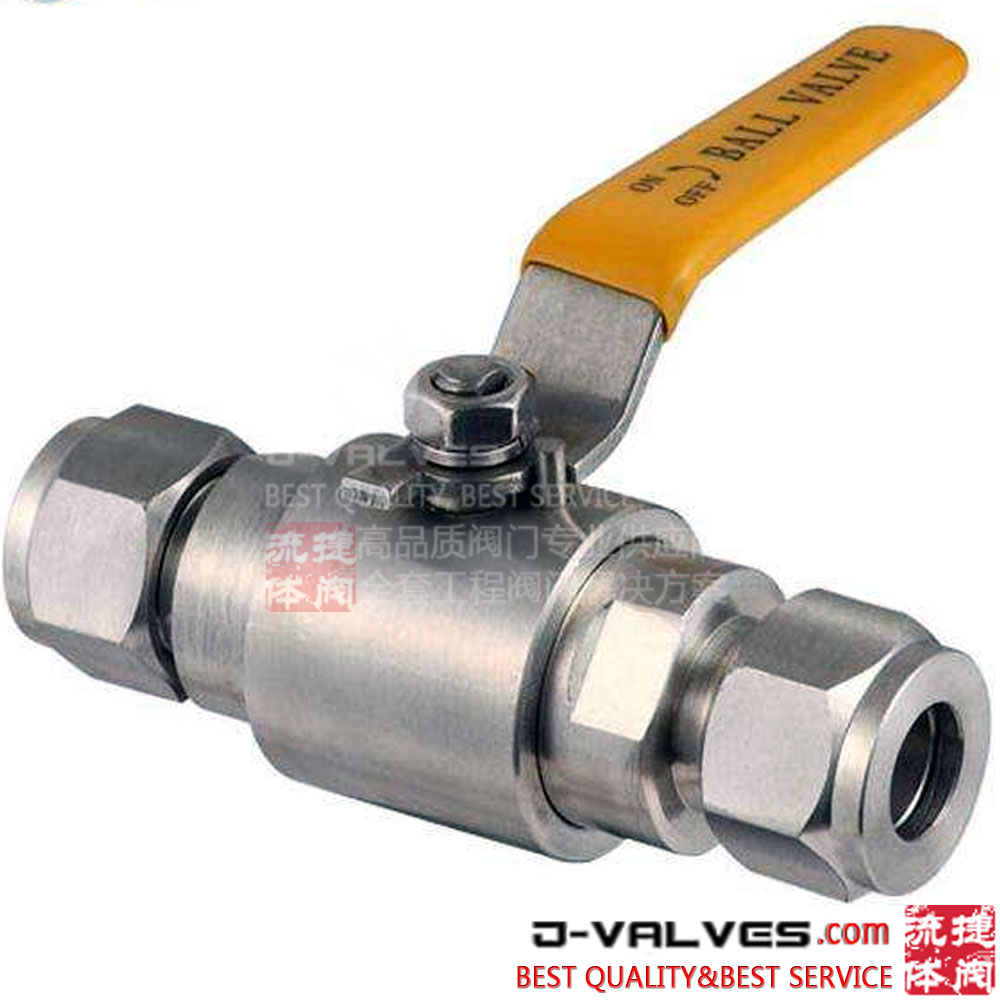
Three-Piece Compression Fitting Ball Valve
Three-Piece Compression Fitting Ball Valve Performance Parameters
Size Range: 1/4" ~ 4"
Working Pressure: The maximum pressure can reach PN64, 1000 PSI, etc., capable of adapting to the control of high-pressure fluid systems.
Working Temperature: -20 °C ~ 450 °C
Flow Characteristics: It has a relatively large diameter and low flow resistance, ensuring the smooth flow of fluids and improving the flow efficiency of the system.
Three-Piece Compression Fitting Ball Valve Product Features
Three-Piece Structure: It consists of the valve body, valve cover, the ball and valve seat in the middle, etc. This structure enables the valve to be maintained or have its internal parts replaced without having to remove the entire valve from the pipeline. Only the middle part needs to be disassembled, which greatly improves the convenience and efficiency of maintenance, reducing maintenance time and costs.
Compression Fittings: The compression fittings at both ends achieve a sealed connection with the pipeline through compression rings and nuts. This connection method is simple and quick to install, without the need for welding or special connection tools. It can quickly complete the connection of the pipeline and the installation of the valve, and is also convenient for disassembly and replacement of the pipeline. Moreover, it is applicable to pipelines made of various materials, including copper pipes, plastic pipes and stainless steel pipes, etc., showing good compatibility.
High Sealing Performance: High-quality sealing materials such as PTFE are used, combined with precise processing techniques, to ensure that the valve can achieve good sealing effects under various working conditions, effectively prevent fluid leakage and guarantee the safe operation of the system.
Strong Corrosion Resistance: Usually made of corrosion-resistant materials such as 316L stainless steel, it can resist the erosion of various chemical media, is suitable for controlling multiple corrosive fluids and prolongs the service life of the valve.
Easy to Operate: It can be operated by a handle or an actuator. Just rotate it by 90 degrees to open or close the valve. The operation is simple and quick, with a rapid response, able to meet the needs of rapid fluid control.
Wide Application Range: It can be applied to the control of various fluid media such as water, steam, oil products and gases, and is suitable for multiple industries such as food, beverage, pharmaceutical, chemical, petroleum and natural gas, meeting the fluid control requirements under different working conditions.
Three-Piece Compression Fitting Ball Valve Application Scenarios
Industrial Production: In industrial fields such as chemical, petroleum and natural gas, it is used to control the transportation and distribution of various process fluids to ensure the smooth progress of the production process.
Food and Beverage Industry: In the processes of food processing and beverage production, it is used to control the flow of liquid raw materials, intermediate products and finished products, meeting the hygiene and safety requirements of the food industry.
Pharmaceutical Industry: On the production lines of pharmaceutical enterprises, it is used to control various fluid media in the drug production process, such as liquid medicine and solvents, to ensure the quality of drugs and the safety of production.
Building Water Supply and Drainage: In the building water supply and drainage systems, it is used to control the supply and discharge of water to achieve the rational utilization of water resources and the stable operation of the system.
Heating, Ventilation and Air Conditioning: In the heating, ventilation and air conditioning systems, it is used to control the flow of fluids such as refrigerants and cooling water to ensure the normal operation of the air conditioning system and temperature regulation.
Three-Piece Compression Fitting Ball Valve Product Advantages
Convenient Maintenance: The three-piece structure facilitates the replacement and maintenance of internal parts without having to remove the entire valve, reducing maintenance costs and time.
Reliable Sealing: The use of compression fittings and high-quality sealing materials ensures the sealing performance of the valve and reduces the risk of fluid leakage.
Strong Compatibility: It can be compatible with pipelines made of various materials and different fluid media, has strong adaptability and a wide application range.
Simple Operation: The quick opening and closing operations make it convenient for users to control fluids and improve work efficiency.
Long Service Life: Corrosion-resistant materials and precise manufacturing techniques improve the durability and reliability of the valve and prolong its service life.
Three-Piece Compression Fitting Ball Valve Installation and Maintenance
Installation: During installation, it is necessary to ensure that the pipeline is clean, free of impurities and foreign objects to prevent damage to the valve or affecting its sealing performance. Install the valve in a position that is easy to operate and maintain, install it in the correct installation direction, and ensure that the nuts of the compression fittings are tightened moderately, avoiding being too tight or too loose.
Maintenance: Regularly check the sealing performance and operational flexibility of the valve, and timely clean the impurities and dirt inside the valve. When leakage or other abnormal conditions of the valve are found, repair or replace the damaged parts in a timely manner. Meanwhile, pay attention to protecting the surface of the valve to prevent corrosion and damage.