In low-temperature industrial environments such as liquefied natural gas (LNG) transportation and storage, low-temperature chemical engineering, and cryogenic energy systems, the low-temperature resistance, sealing reliability, and durability of valves are critically important. The LCC Low-Temperature Angle Globe Valve has become core equipment for high-demand industrial processes thanks to its excellent adaptability to low temperatures and reliable fluid control performance.
Read More
Discover the critical differences between API 600 and ASME B16.34 standards for J-VALVES DN700 PN63 WCB Globe Valves in high-temperature applications. Expert comparison with tables, real-world insights, and selection guidelines.
Read More
In terms of surface pretreatment before painting A high-quality paint process first requires strict and meticulous treatment of the valve surface. In this process, oil stains, rust, and other impurities on the valve surface need to be removed. For example, through mechanical grinding, chemical degreasing and derusting, etc., the valve surface can be made flat, clean, and have an appropriate roughness. This treatment lays a good foundation for the subsequent painting and ensures that the paint layer can firmly adhere to the valve surface. If the surface treatment is not in place, the paint layer is prone to peeling and flaking, which will affect the overall quality of the valve. And a rigorous paint process can ensure that the surface treatment meets high standards every time, thus guaranteeing the stability of the subsequent paint layer.
Read More
In the world of valves, the 1" 2500LB globe valves made in China by J-VALVES possess unique charm and are worthy of your preference.
Read More
In low-temperature industrial environments such as liquefied natural gas (LNG) transportation and storage, low-temperature chemical engineering, and cryogenic energy systems, the low-temperature resistance, sealing reliability, and durability of valves are critically important. The LCC Low-Temperature Angle Globe Valve has become core equipment for high-demand industrial processes thanks to its excellent adaptability to low temperatures and reliable fluid control performance.
Discover the critical differences between API 600 and ASME B16.34 standards for J-VALVES DN700 PN63 WCB Globe Valves in high-temperature applications. Expert comparison with tables, real-world insights, and selection guidelines.
In terms of surface pretreatment before painting A high-quality paint process first requires strict and meticulous treatment of the valve surface. In this process, oil stains, rust, and other impurities on the valve surface need to be removed. For example, through mechanical grinding, chemical degreasing and derusting, etc., the valve surface can be made flat, clean, and have an appropriate roughness. This treatment lays a good foundation for the subsequent painting and ensures that the paint layer can firmly adhere to the valve surface. If the surface treatment is not in place, the paint layer is prone to peeling and flaking, which will affect the overall quality of the valve. And a rigorous paint process can ensure that the surface treatment meets high standards every time, thus guaranteeing the stability of the subsequent paint layer.
In the world of valves, the 1" 2500LB globe valves made in China by J-VALVES possess unique charm and are worthy of your preference.

Differences in Design Specifications for Globe Valves between European Standard (EN) and German Standard (DIN)Design Standards• European Standard (EN): EN 12516-1 is the design standard for industrial valves in European standards. It stipulates the design, manufacturing, and testing requirements of

The Y-Type Globe Valve is a core component in industrial piping systems. Its unique Y-shaped structure significantly reduces flow resistance, enabling efficient and energy-saving fluid transportation. The exquisite sealing technology ensures a tight fit between the valve seat and the valve disc, capable of withstanding high pressure and eliminating leakage, effectively guaranteeing the safe and stable operation of the system. With a simple design and excellent performance, it precisely regulates the flow rate to meet the requirements of different working conditions, providing reliable support for your engineering projects.

In industrial pipeline systems, flange globe valves and flange gate valves are two common types of valves. They both play significant roles in controlling the flow of fluid media, yet each possesses unique functional characteristics.
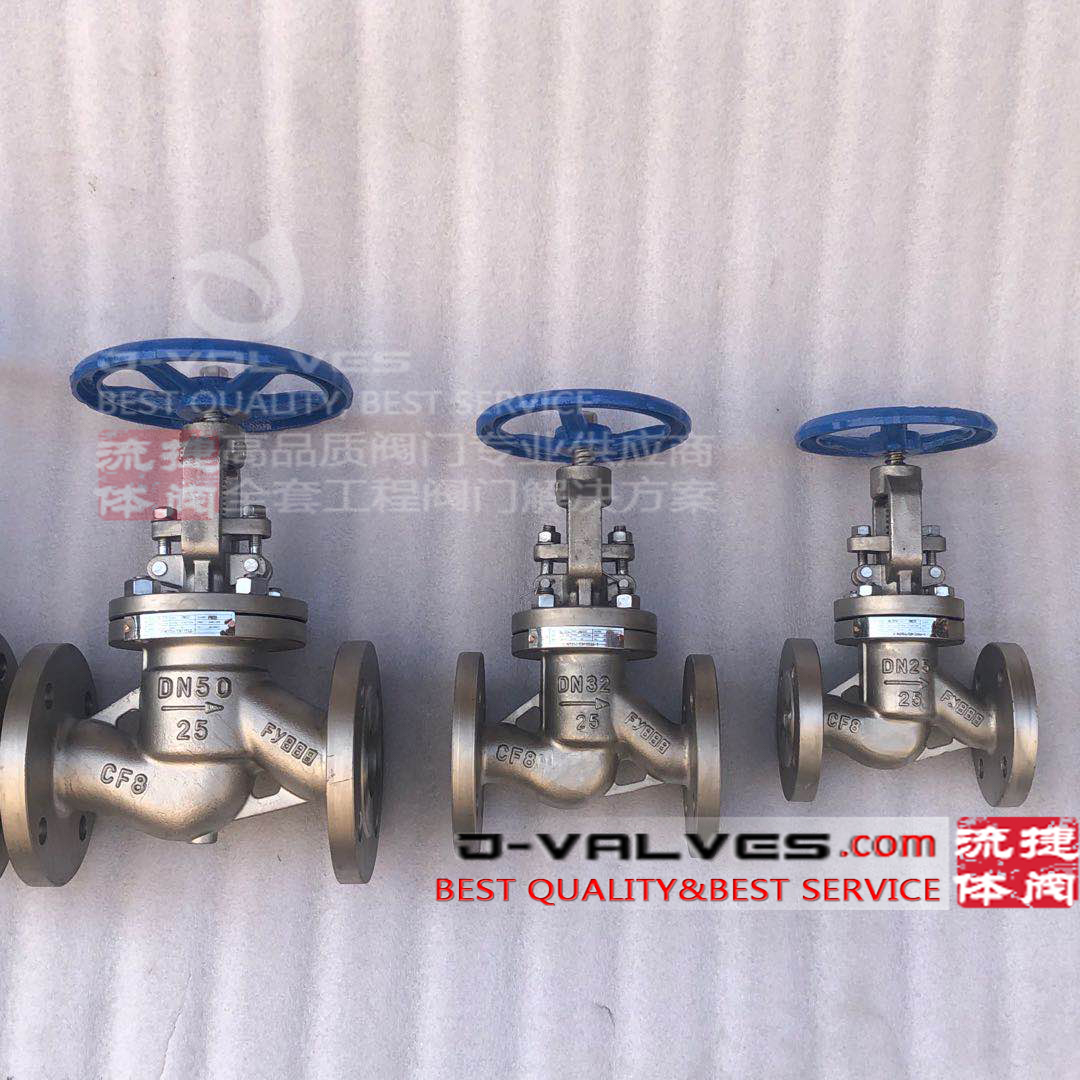
DIN DN50 PN25 Stainless Steel CF8 Flange RF Globe Valve